A cleanser touches your skin every day, often more than once. That makes the question of bar soap vs body wash ingredients more meaningful than a preference for a pump bottle or a beautiful bar by the sink. The ingredient list tells a story about how a product cleanses, how it is preserved, how it feels on the skin, and what kind of ritual it invites you to create.
Neither format is automatically better for every person or every moment. A thoughtfully made body wash can be gentle and lovely. A poorly formulated bar can feel drying. Yet the two begin with very different foundations, and understanding those foundations makes it easier to choose with intention.
Bar Soap vs Body Wash Ingredients: The Core Difference
Traditional bar soap begins with a beautifully simple act of transformation: plant oils or butters are combined with an alkali, most often sodium hydroxide, through the age-old process of saponification. The result is soap - the sodium salts of fatty acids - along with naturally occurring glycerin. In a well-crafted, properly cured bar, the sodium hydroxide has reacted with the oils to become soap rather than remaining as free lye.
This is why an ingredient list for an artisanal bar may feel familiar. You may see olive oil, coconut oil, shea butter, sunflower oil, castor oil, water, sodium hydroxide, botanical powders, clays, and essential oils. Each oil brings its own character: coconut oil contributes cleansing power and a generous lather, olive oil offers a softer, creamier feel, and butters can lend a more comforting richness to the finished bar.
Body wash is usually water-based. Because water is its first ingredient in many formulas, it needs a system of ingredients that keeps the product stable, safe, smooth, and easy to dispense. Instead of true soap, many body washes rely on synthetic detergents or surfactants - cleansing agents designed to lift oil and soil from the skin.
You might see names such as cocamidopropyl betaine, sodium cocoyl isethionate, sodium laureth sulfate, decyl glucoside, or disodium laureth sulfosuccinate. These names can sound intimidating, but a long chemical name is not a verdict on quality. Some are derived partly from coconut or sugar; some are chosen for foam, mildness, or compatibility with other ingredients. The entire formula matters more than a single unfamiliar word.
What Gives Each Cleanser Its Feel?
A traditional bar cleanses through the natural structure of soap itself. It is often formulated with a balance of oils chosen for lather, firmness, longevity, and skin feel. Handcrafted makers can also include a little extra oil, often called superfat, to create a gentler finished bar with a more nourishing touch.
Body wash gets its texture from a broader supporting cast. Alongside surfactants, it may contain humectants such as glycerin, thickening agents, emulsifiers, solubilizers, conditioning ingredients, chelators, colorants, fragrance, and preservatives. This is not inherently a negative. It simply reflects the complexity of creating a stable liquid product that stays safe and consistent from the first pump to the last.
For someone seeking a shorter, more recognizable ingredient list, a botanical bar can be deeply appealing. A bar made with plant oils and intentional additions allows the ritual to feel close to the earth: a creamy lather, the quiet scent of lavender or citrus, the subtle color of clay or herbs. It is cleansing pared back to its essence.
Still, simplicity should never mean carelessness. Natural ingredients can irritate sensitive skin, too. Essential oils are potent, and botanical extracts are not automatically suitable for every complexion. A truly mindful choice considers both the ingredient source and your individual skin response.
The Role of Fragrance
Fragrance is one area where ingredient-conscious shoppers often pause, and wisely so. “Fragrance” or “parfum” can represent a proprietary blend, which may not reveal every component to the consumer. For those with fragrance sensitivities, that lack of clarity can make choosing difficult.
Handcrafted soaps may instead use essential oils, which offer aromatic complexity from plants. Rose geranium can feel floral and green; sweet orange can brighten a morning shower; lavender can soften the pace of an evening bath. Yet essential oils are still fragrance materials. Sensitive skin may prefer an unscented bar, especially during periods of dryness, irritation, or barrier stress.
The most luxurious scent is not always the strongest one. Sometimes it is the gentle, clean aroma of quality oils and a thoughtfully chosen botanical blend that makes a daily wash feel special.
Why Body Wash Needs Preservatives
Preservatives are among the most misunderstood body wash ingredients. Because body wash contains water and is regularly exposed to warm, humid bathrooms and wet hands, it can become a welcoming environment for microbial growth without an effective preservation system.
A preservative is not there merely to extend shelf life. It helps protect the product during normal use. Depending on the formula, you may see ingredients such as phenoxyethanol, sodium benzoate, potassium sorbate, benzyl alcohol, or preservative blends designed for broad protection.
Traditional bar soap generally does not require the same kind of preservative system because it contains very little available water. Its solid format and alkaline environment make it less hospitable to microbes. That said, a bar should still be stored well. Letting it dry between uses on a draining dish helps it last longer and preserves its lovely texture.
The Skin pH Question, With a Little Nuance
True soap is naturally alkaline, while healthy skin has a mildly acidic surface. This is one reason some people find traditional soap drying, particularly on the face or on already dry, reactive skin. A well-made, superfat bar may feel far gentler than a mass-market deodorant bar, but it is still soap and still has an alkaline pH.
Many body washes are formulated closer to skin’s natural pH. For people with eczema-prone skin, a compromised skin barrier, or a dermatologist-directed routine, a mild pH-balanced liquid cleanser may be the better fit. This is not a failure of bar soap. It is a reminder that skin care is personal, and the right product can change with the season, your lifestyle, and the area of the body you are cleansing.
For the body, many people find a carefully crafted botanical bar to be a beautiful everyday choice. For the face, where skin may be more delicate or treatment products are in use, a dedicated gentle cleanser may be wiser. Listen to the evidence your skin gives you: tightness, itching, persistent dryness, or stinging are signs to reassess.
Reading Labels Without Fear
Ingredient literacy is empowering when it replaces confusion, not when it creates it. Rather than searching for one perfect ingredient list, consider a few grounded questions.
Does the formula disclose its ingredients clearly? Does it use oils, butters, and scents you feel comfortable bringing into your home? Is it made for your skin’s needs, rather than simply marketed with a fashionable claim? And does the maker share enough about its process for you to understand what you are choosing?
Terms such as “natural,” “clean,” and “plant-based” can be helpful starting points, but they are not universal guarantees of gentleness or quality. A natural bar with a heavy dose of essential oil may be too much for one person. A carefully preserved, fragrance-free body wash may be exactly what another person needs. The goal is not ingredient perfection. It is an informed ritual that feels good on your skin and aligns with your values.
Choosing the Ritual That Feels Like You
If you are drawn to traditional craft, minimal packaging, and the warm simplicity of oils transformed into soap, a handcrafted bar offers something more than clean skin. It offers a pause. The feel of a bar in your hands, the bloom of a botanical lather, and the knowledge that it was made in small batches can turn an ordinary shower into a quieter act of care.
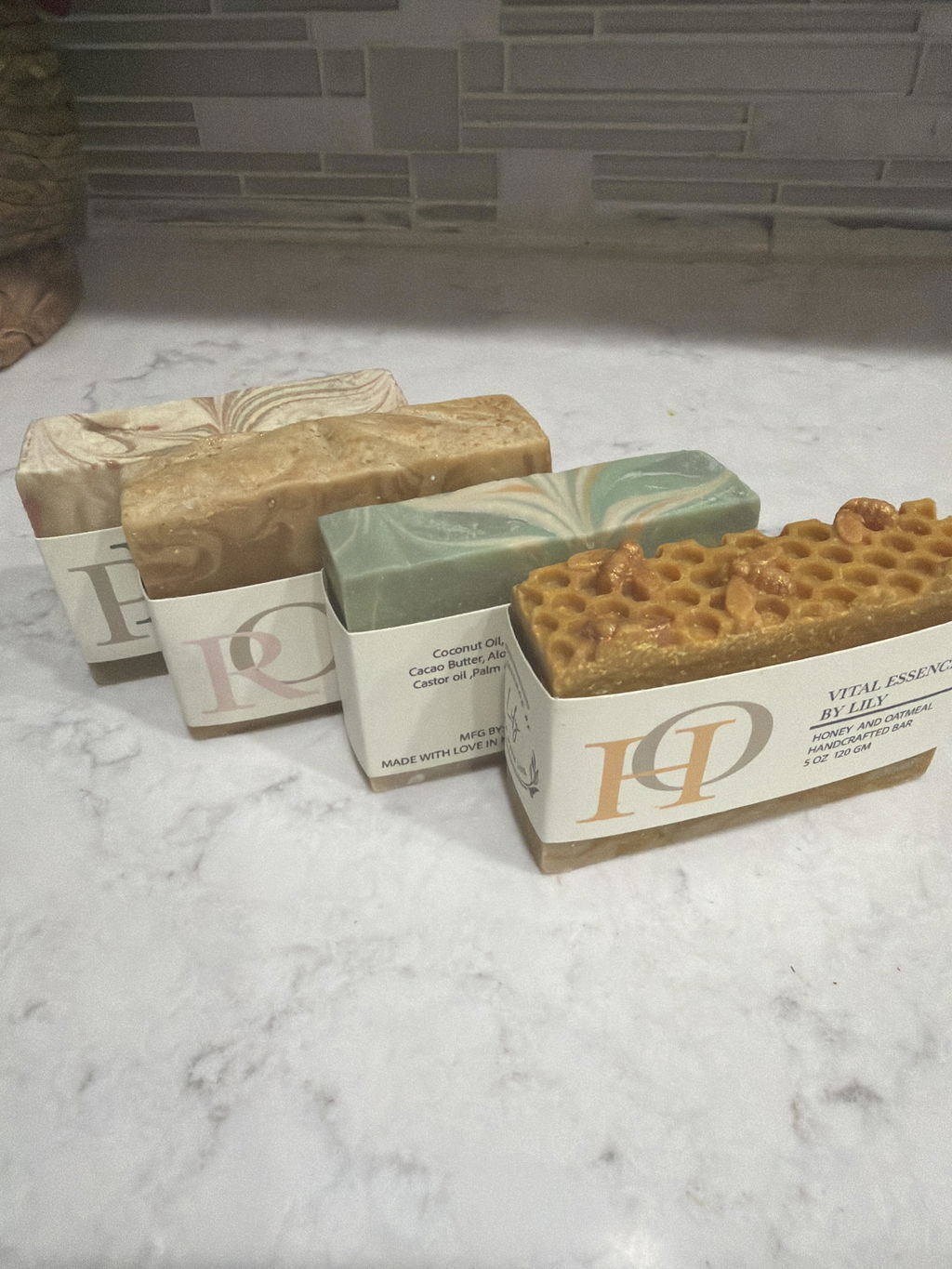
At Vital Essence by Lily, that spirit lives in botanical soaps crafted with intention and a reverence for nature’s finest ingredients. A bar can be humble, but it can also be deeply considered.
If a liquid cleanser better supports your skin right now, honor that choice, too. The most meaningful routine is not built around rules. It is built around attention - to your skin, your senses, and the small daily rituals that help you feel at home in yourself.