Not all “natural” skin care feels gentle once it touches the skin. If you have ever stepped away from a cleanser feeling tight, dry, or strangely irritated, you already know why the search for the best all natural ingredients for skin care matters. The right ingredients can turn a basic daily wash into something softer, more grounding, and far more supportive of the skin you live in.
For many people, the first shift is moving away from harsh detergent-based products and toward formulas rooted in oils, butters, clays, botanicals, and time-honored soapmaking. Natural ingredients are not automatically better in every case, but when they are chosen with care and balanced well, they can offer a more nourishing experience. The key is knowing which ingredients actually serve the skin and which ones are simply appealing on a label.
What makes the best all natural ingredients for skin care stand out?
The most valuable natural ingredients do one or more things well. They help soften the skin, support moisture, cleanse without stripping, or calm visible irritation. Some bring a silky, protective feel. Others contribute a creamy lather, a smoother texture, or a gentle polish that leaves skin refreshed instead of overworked.
It also depends on your skin’s temperament. An ingredient that feels rich and restorative on dry skin may feel heavy for someone who prefers a lighter touch. A fragrant botanical may be beautiful in a ritual, yet not ideal for very reactive skin. That is why ingredient quality and formulation matter just as much as the ingredient itself.
1. Shea butter
Shea butter has earned its place among the most beloved natural skin care ingredients for a reason. It is deeply emollient, rich in fatty acids, and known for helping skin feel supple and comforted. In well-made bar soaps and body care, shea butter lends a creamy, cushioning quality that makes cleansing feel less austere.
For dry or mature skin, shea butter can feel especially generous. It helps reduce that parched, stretched sensation that often follows washing. If your skin craves softness, this is one of the first ingredients worth seeking out.
2. Olive oil
Olive oil brings a quiet kind of luxury to skin care. It is traditional, familiar, and beautifully suited to artisan soapmaking because it contributes a mild, conditioning cleanse. Castile-style soaps are a classic example of how effective olive oil can be when simplicity is done well.
Its strength is gentleness. Olive oil is often appreciated by those who want a less aggressive cleansing experience, though on its own it can create a softer lather than some people expect. That is not a flaw - it is simply part of its character.
3. Coconut oil
Coconut oil is one of the most discussed ingredients in natural skin care, and for good reason. In soap, it helps create a rich, bubbly lather and a more thorough cleanse. It can bring energy and freshness to a bar, especially when balanced with softer, more conditioning ingredients.
That balance matters. Used in high amounts, coconut oil can feel too cleansing for very dry or sensitive skin. In a thoughtfully crafted formula, however, it adds the kind of satisfying lather many people miss when leaving commercial body washes behind.
4. Oatmeal
There is something deeply comforting about oatmeal in skin care. Finely ground oats can help soothe the feel of dry, delicate, or easily upset skin while adding a gentle exfoliating touch. It is one of those ingredients that feels humble yet incredibly effective.
Oatmeal is especially lovely for people who want skin care to feel calm rather than complicated. In a handcrafted soap bar, it can offer both softness and a subtle texture that buffs away dullness without feeling sharp or abrasive.
5. Aloe vera
Aloe vera is often associated with after-sun care, but its appeal goes well beyond that. It is valued for its refreshing feel and its ability to bring a light, soothing quality to skin care formulas. For skin that feels stressed, warm, or depleted, aloe can be a welcome presence.
In cleansing products, aloe is less about dramatic richness and more about comfort. It pairs well with richer oils and butters, helping create a formula that feels balanced rather than overly heavy.
6. Cocoa butter
Cocoa butter offers a denser, velvety richness than many plant oils. It is cherished for the protective softness it can leave behind, making it a beautiful ingredient for skin that tends to feel rough or weather-worn. There is also a sensory pleasure to it - a certain depth and warmth that feels indulgent without trying too hard.
Because cocoa butter is naturally rich, it tends to shine in body care and cleansing bars made for drier skin rather than very oily complexions. If you love that cocooned, nourished feeling after a bath or shower, cocoa butter is worth your attention.
7. Calendula
Calendula has long been treasured in botanical skin care for its gentle, calming reputation. It brings a soft herbal quality that feels especially aligned with mindful, nature-centered routines. Whether infused into oils or included in petals, calendula often appears in products designed for tender or easily irritated skin.
Its beauty is not only functional but emotional. Calendula feels like an ingredient chosen with care, and for many people that matters. Skin rituals are practical, yes, but they are also personal.
8. Honey
Honey is one of nature’s most elegant skin care ingredients. It is known for its humectant qualities, meaning it helps draw in moisture, and it can lend a smooth, comforting feel to cleansing products. In soap, honey often contributes a silkier experience and a touch of golden richness.
That said, honey is not vegan, so it will not suit every shopper’s values. For those who do use bee-derived ingredients, it can be a beautiful addition to a formula focused on softness and glow.
9. Kaolin clay
If your skin enjoys a fresh, clean feel but dislikes the harshness of strong cleansers, kaolin clay offers a lovely middle ground. It is a gentle clay that helps lift away excess oil and impurities without the intensity of more aggressive options. In natural soap bars, it can improve slip, add a refined texture, and support a cleaner rinse.
Kaolin is especially useful for combination skin. It helps bring clarity without making the entire formula feel austere. That restraint is part of what makes it so versatile.
10. Jojoba oil
Jojoba oil is technically a wax ester, and its composition is often praised for being remarkably compatible with the skin’s natural sebum. What this means in everyday terms is simple: it tends to feel balanced. Not too heavy, not too sharp, not too greasy.
It is a beautiful ingredient for people who want nourishment without heaviness. In skin care, jojoba helps soften and condition while keeping the overall feel elegant and clean.
How to choose the best all natural ingredients for skin care for your skin
If your skin is dry, start with shea butter, olive oil, cocoa butter, oatmeal, and honey. These ingredients tend to support softness and help skin feel less depleted after cleansing. If your skin is more balanced or combination-prone, jojoba oil and kaolin clay can offer a cleaner, lighter feel without tipping into harshness.
If sensitivity is your main concern, simpler is often better. Oatmeal, calendula, aloe vera, and olive oil are frequently appreciated for their gentler profiles. Fragrance, even when naturally derived from essential oils, can still be too much for some people. Natural does not always mean universally tolerated.
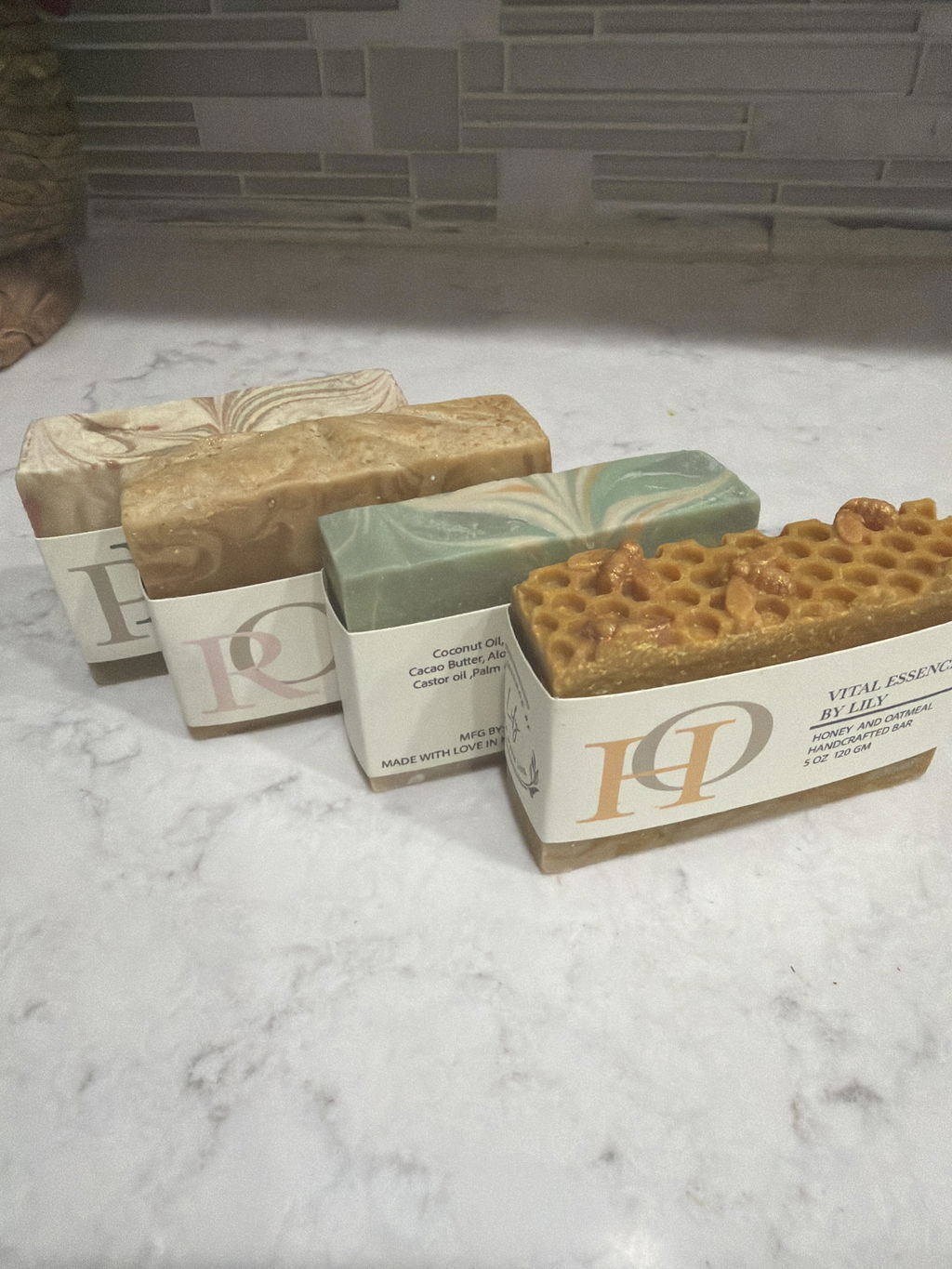
This is where handcrafted formulation makes such a difference. A well-made botanical soap is not just a pile of good ingredients. It is the result of proportion, patience, and purpose. At Vital Essence by Lily, that philosophy is part of the craft itself - creating small-batch bars that turn cleansing into a more intentional ritual, with ingredients chosen for both skin comfort and sensory beauty.
A more thoughtful way to read ingredient labels
The best ingredient list is not always the longest one. In fact, shorter formulas can sometimes be easier to trust, especially when the ingredients are recognizable and each one has a clear role. Look for oils and butters near the top, pay attention to whether the formula seems designed for moisture or deep cleansing, and notice how your skin feels after use.
That last part matters most. Skin usually tells the truth quickly. If a product leaves you feeling tight, itchy, or overly stripped, it may not be the right match, no matter how beautiful the label sounds. If it leaves your skin comfortable, soft, and quietly cared for, you are likely much closer to what your routine has been missing.
The most nourishing skin care often feels less like a correction and more like a return - to ingredients with integrity, to rituals made with intention, and to the simple pleasure of washing with something your skin can truly welcome.