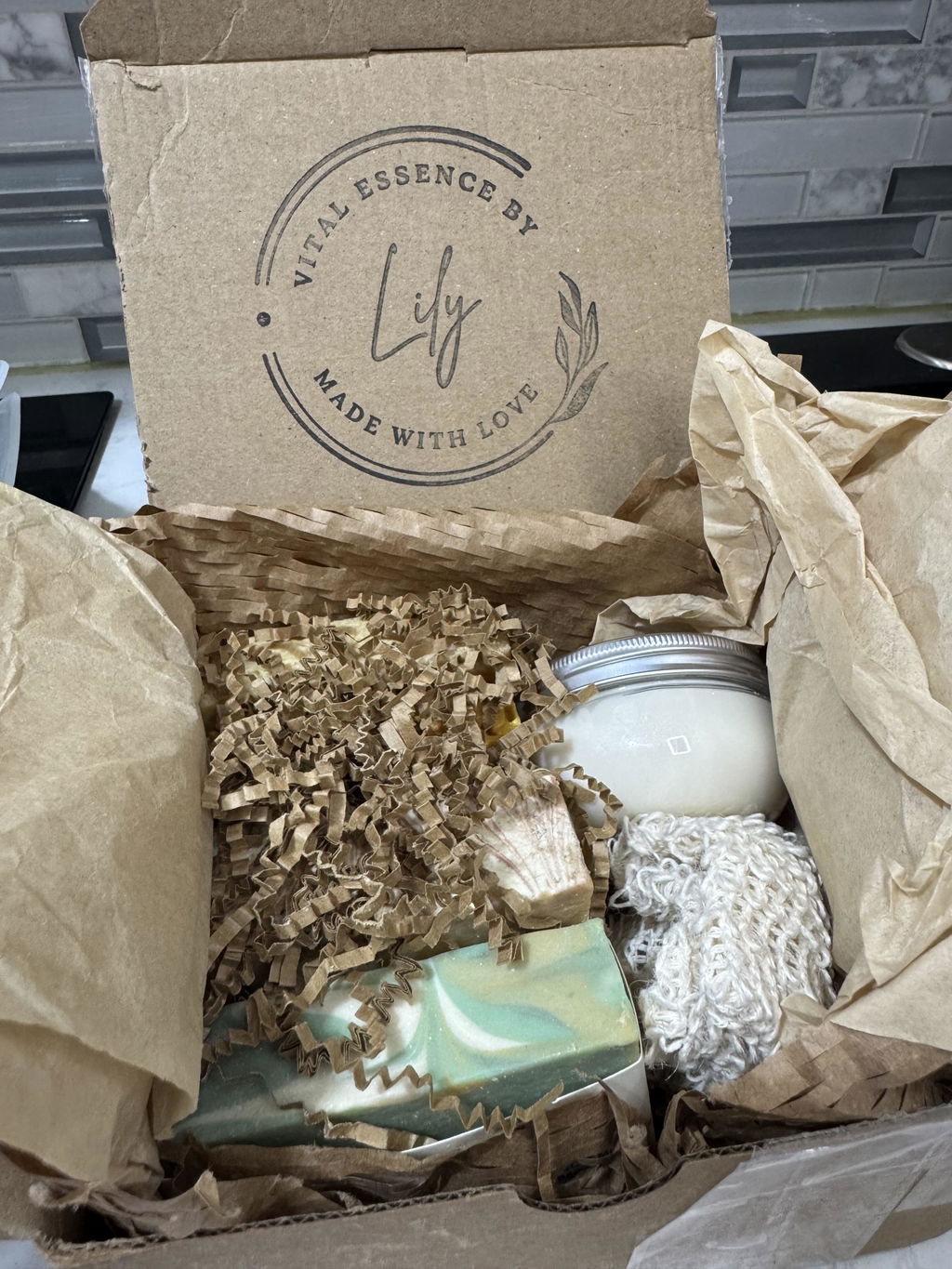
Sensitive skin rarely stays quiet when something is off. It lets you know through tightness after cleansing, a flush that lingers longer than it should, or that familiar sting from products that promised softness but delivered irritation instead. That is why cruelty free skincare for sensitive skin is not just a values-based choice. For many people, it is part of creating a gentler daily ritual that respects both skin and conscience.
When skin feels reactive, the answer is not always more products. Often, it is less noise, fewer harsh ingredients, and a return to formulas made with care. For those drawn to natural body care, this can be a meaningful shift away from mass-produced cleansers that rely on detergent-heavy bases and toward thoughtfully crafted alternatives that feel more aligned with the skin’s natural balance.
What cruelty free skincare for sensitive skin really means
Cruelty-free simply means a product and its ingredients are not tested on animals. That matters deeply on its own, but for sensitive skin, cruelty-free is only one part of the picture. A product can be cruelty-free and still be too aggressive, heavily fragranced, or filled with ingredients that overwhelm reactive skin.
The better question is this: does the formula treat skin gently while reflecting the values you care about? For sensitive skin, the most comforting products tend to be intentional in every sense. They skip unnecessary complexity, use skin-compatible ingredients, and cleanse without leaving that stripped, squeaky feeling that often signals disruption rather than cleanliness.
This is where ingredient integrity becomes more than a marketing phrase. It becomes practical. Sensitive skin usually responds best when there is a clear purpose behind each ingredient and no pressure to perform through intensity.
Why sensitive skin often struggles with conventional cleansers
Many traditional body cleansers and soaps sold at scale are formulated for shelf life, foam, scent throw, and low production cost. Those goals do not always support skin comfort. Some cleansing bars are not true soaps in the traditional sense at all, but detergent bars made with surfactants that can leave skin feeling unnaturally tight.
For someone with sensitive skin, that tightness can be the beginning of a cycle. The skin barrier gets stressed, moisture escapes more easily, and redness or discomfort becomes more frequent. Then more products get layered on to fix the problem.
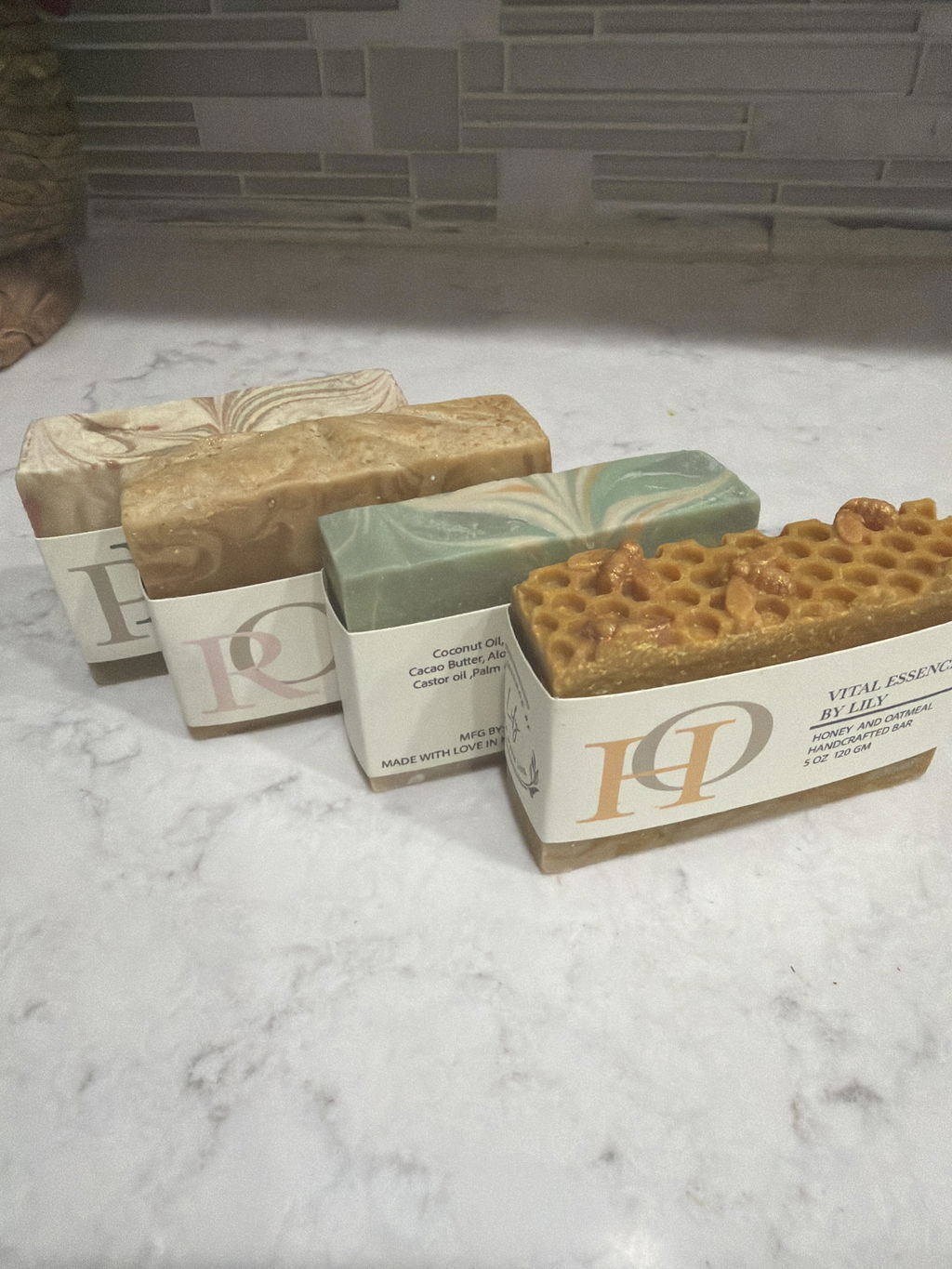
A gentler cleansing ritual often begins by rethinking that first step. Handmade, small-batch bar soaps crafted through traditional saponification can feel very different on the skin, especially when they are made with nourishing oils and botanical ingredients rather than a long list of synthetic fillers. Not every natural soap is automatically right for every person, but many people find that a carefully formulated bar offers a softer, more balanced cleanse.
The ingredients that tend to feel kinder
Sensitive skin is highly individual, so there is no universal ingredient list that works for everyone. Even natural ingredients can be irritating if they are too strong or simply not a match for your skin. Still, some qualities tend to be more supportive than others.
Look for formulas centered around gentle plant oils and butters that cleanse while helping skin feel conditioned rather than depleted. Olive oil, shea butter, coconut oil in balanced amounts, and other botanical fats can contribute to a creamier, more nurturing lather when used thoughtfully. Oatmeal, clays, and select botanicals may also add a soothing quality, depending on the formula.
What many people with sensitive skin want to approach carefully are overpowering fragrances, aggressive exfoliants, and formulas crowded with too many actives at once. Essential oils are a good example of an it-depends ingredient. Some skin types tolerate certain essential oils well in low, well-considered amounts. Others do better with little to no added scent at all. Natural does not always mean mild, so paying attention to your own response matters more than following trends.
How to choose cruelty free skincare for sensitive skin
Start with the cleanser, because it touches the skin regularly and sets the tone for everything that follows. If your face or body feels uncomfortable immediately after washing, the product may be too harsh even if it is labeled gentle. Sensitive skin usually prefers a clean rinse without that stripped sensation.
Next, read beyond the front label. Words like botanical, natural, and clean can be appealing, but the full ingredient list tells the fuller story. A shorter ingredient deck is not automatically better, yet it can be easier to understand and patch test. Look for formulas that feel transparent and grounded rather than overloaded with claims.
Texture and scent matter, too. A softly lathering bar with a subtle aroma or an unscented option may serve sensitive skin better than products designed to create a dramatic sensory punch. Luxury, for reactive skin, often feels calm rather than intense.
Finally, make one change at a time. When you try several new products at once, it becomes difficult to tell what your skin loves and what it wants to avoid. Sensitive skin rewards patience.
A simpler ritual often works better
There is something reassuring about a skincare ritual that does not ask too much of your skin. Cleanse gently. Rinse with lukewarm, not hot, water. Pat dry instead of rubbing. Follow with moisture while the skin still feels slightly damp. These small choices are not glamorous, but they can be transformative.
This is one reason artisan bar soap continues to resonate with people seeking a more mindful routine. A well-made bar can turn a daily necessity into a moment of care - tactile, aromatic, and grounding - without demanding a complicated regimen. When crafted with intention, it supports the idea that skincare can be both beautiful and honest.
For many households, this also becomes a lifestyle shift. Replacing harsh, highly processed cleansers with handmade alternatives feels less like buying another product and more like choosing a different standard for daily care. That emotional layer matters. Ritual has power, especially when your skin has spent a long time asking for gentleness.
The trade-offs to keep in mind
Cruelty free skincare for sensitive skin is a thoughtful category, but it is not a magic label. Handmade products can vary from maker to maker. Natural scent profiles may be softer and less uniform than synthetic fragrance. Bar soaps may also require proper storage so they stay dry between uses and last longer.
And while botanical ingredients can be lovely, sensitive skin sometimes prefers restraint. A lush ingredient list may sound beautiful, but more is not always more comforting. If your skin is highly reactive or you have a diagnosed condition like eczema or rosacea, patch testing is worth the extra step. In some cases, working with a dermatologist alongside a simplified routine is the wisest path.
That does not take away from the beauty of natural, cruelty-free care. It simply keeps the conversation honest. The goal is not perfection. The goal is finding a ritual that your skin can live with peacefully, day after day.
Why craftsmanship matters in sensitive skincare
There is a meaningful difference between a product made to move quickly through a production line and one crafted in small batches with visible care. Sensitive skin often benefits from that slower philosophy. It invites more thoughtful formulation, closer attention to ingredient quality, and a deeper respect for how a product feels in use.
At Vital Essence by Lily, that spirit lives in the belief that soap can be more than a basic cleanser. It can be a gentle, sensory ritual shaped by nature’s finest ingredients and the traditional craft of soapmaking. For shoppers seeking something more intentional than conventional detergent-based cleansing, that kind of care is not extra. It is the point.
If you are building a routine around compassion and comfort, let your skin lead. Choose products that feel calm, transparent, and beautifully uncomplicated. The most nourishing ritual is often the one that asks less of your skin and gives more back in return.