Rosacea rarely arrives quietly. One day your skin tolerates a favorite cleanser just fine, and the next it flushes after warm water, stings under a scented cream, or reacts to a product that once felt harmless. If you have been searching for the best cruelty free skincare for rosacea, you already know this is not just about beauty. It is about comfort, trust, and finding a ritual that feels safe again.
For rosacea-prone skin, the margin for error is small. A formula can be natural and still feel too active. A product can be popular and still leave your skin hot, tight, or unsettled. That is why the best approach is not chasing trends or loading your shelf with ten-step routines. It is choosing a few thoughtful, cruelty-free essentials that support the skin barrier and respect its sensitivity.
What the best cruelty free skincare for rosacea really looks like
The best skincare for rosacea tends to have a calm personality. It does not rely on heavy fragrance, harsh exfoliants, or foaming cleansers that strip the skin and call it freshness. Instead, it favors gentle cleansing, soft hydration, and ingredients that help the skin feel cushioned rather than challenged.
Cruelty-free matters here for more than ethics, though that alone is reason enough for many mindful shoppers. Brands that center cruelty-free formulation often overlap with a slower, more intentional style of product making. They may pay closer attention to ingredient selection, avoid unnecessary fillers, and create formulas that feel more aligned with a skin-conscious lifestyle. That does not automatically make every cruelty-free product right for rosacea, but it often leads you toward gentler choices.
Rosacea also varies from person to person. Some experience persistent redness, while others deal with flushing, sensitivity, visible bumps, dryness, or a combination of all four. So the best cruelty free skincare for rosacea is never one universal lineup. It is a carefully edited routine based on what your skin is asking for now.
Start with cleansing that does less
Cleansing is often where rosacea routines go off course. Skin that already feels inflamed does not need a squeaky-clean finish. It needs a cleanser that removes buildup without disturbing the delicate barrier that keeps moisture in and irritation out.
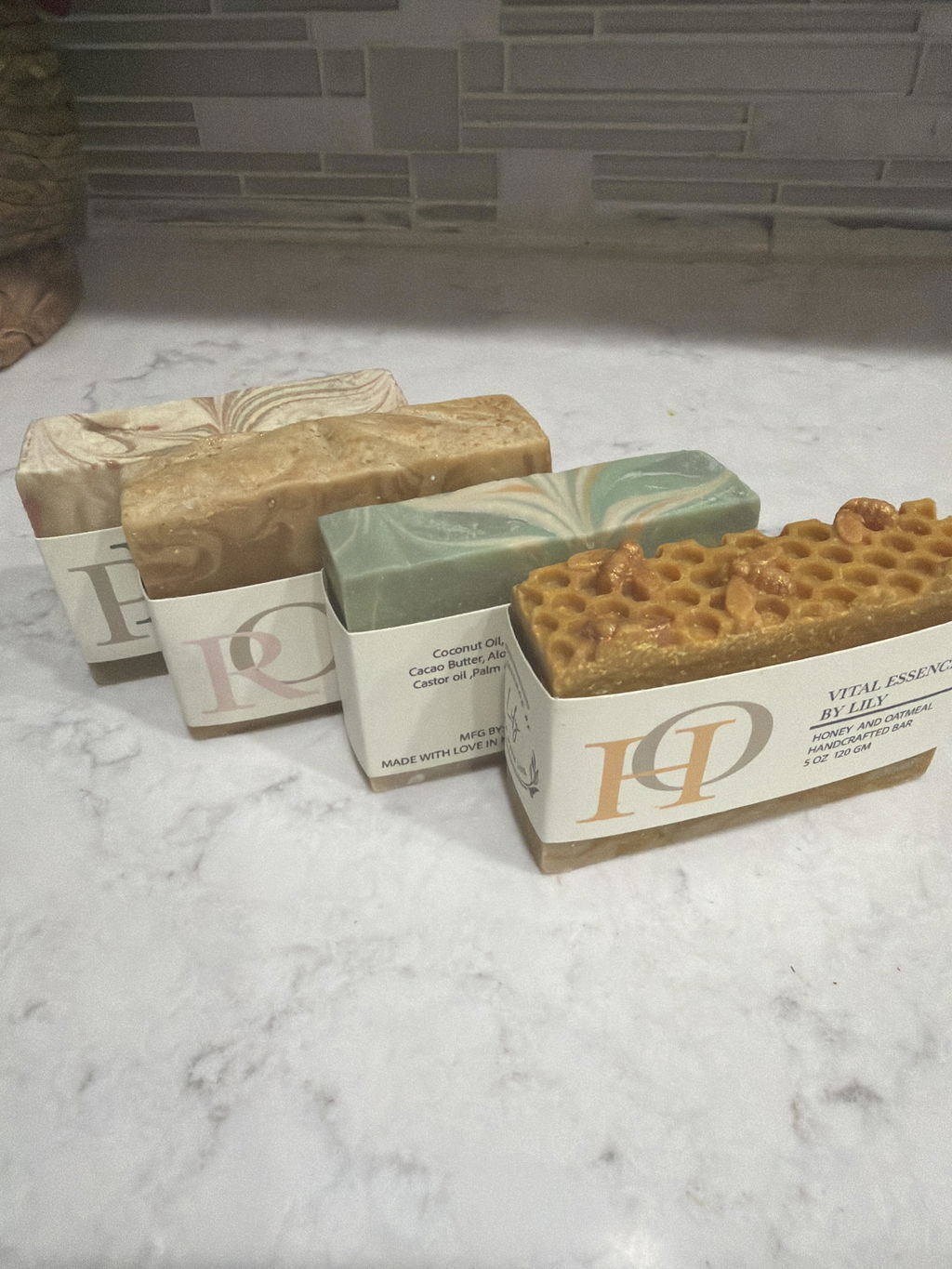
Look for a gentle, low-lather or non-foaming cleanser, especially if your skin feels tight after washing. Cream cleansers, milk cleansers, and very mild botanical bars can work beautifully if they are made without harsh detergents or strong essential oil blends. This is where ingredient integrity matters. A handcrafted, natural soap can feel far more comforting than a mass-produced cleanser, but only if it is thoughtfully formulated for sensitive skin.
For rosacea-prone complexions, simpler is usually kinder. Short ingredient lists can be a gift, especially when they are built around nourishing oils, skin-softening butters, and a mild cleansing base. If a cleanser leaves your face feeling dry within minutes, that is useful information. Even if it is labeled for sensitive skin, it may still be too much for you.
Water temperature matters too. Lukewarm water is usually the sweet spot. Hot water can trigger flushing quickly, while cold water can feel abrupt and uncomfortable on already reactive skin.
Moisture is not optional for rosacea
Many people with rosacea hesitate to moisturize because they are worried about breakouts, congestion, or that heavy creams will make redness worse. But dehydrated skin is often more reactive skin. When the barrier is compromised, everyday things like wind, indoor heat, and even a basic cleanser can feel more intense.
A good cruelty-free moisturizer for rosacea should feel protective without being suffocating. Think soothing, not shiny. Ingredients like glycerin, squalane, colloidal oatmeal, aloe, ceramides, and calendula are often well loved by sensitive skin, though individual tolerance still matters. Richer is not always better, especially if your rosacea overlaps with acne or visible texture. Sometimes a medium-weight cream used consistently is more helpful than a dense balm used occasionally.
If your skin burns when you apply moisturizer, pause and check the formula. Fragrance, alcohol-heavy textures, and active ingredients can create that sting. Even some plant extracts that sound wholesome can be too stimulating for a flare-prone complexion.
The ingredients worth approaching carefully
Rosacea skin can be deeply individual, but a few categories tend to cause trouble more often than not. Strong fragrance is a common issue, whether synthetic or natural. Essential oils, especially in concentrated amounts, may smell beautiful yet feel too lively on compromised skin. Peppermint, eucalyptus, citrus oils, and strong floral blends can be especially risky during a flare.
Over-exfoliation is another quiet culprit. Acids, scrubs, and polishing masks are often marketed as glow-boosting essentials, but rosacea usually prefers restraint. If you do use exfoliating ingredients, it should be gently, sparingly, and not during periods when your skin feels hot or inflamed.
Alcohol-heavy toners, harsh foaming surfactants, and overly active anti-aging formulas can also tip sensitive skin into a cycle of redness and repair. That does not mean every active ingredient is off limits forever. It means barrier support comes first.
How to build a rosacea-friendly cruelty-free routine
A beautiful routine for rosacea is usually a quiet one. In the morning, cleanse lightly if needed, apply a gentle moisturizer, and finish with mineral sunscreen. In the evening, remove the day with a mild cleanser and follow with moisturizer again. That may sound almost too simple, but simplicity is often where healing starts.
If you want to add a treatment step, introduce only one new product at a time. Give it at least two weeks, sometimes longer, before deciding whether it belongs. Rosacea reactions can be immediate, but they can also build slowly.
Patch testing matters here. Try a small amount near the jawline or side of the neck for several days before using a new product all over the face. It is not a glamorous step, but it can save you from a full-face flare.
For many people, the best cruelty free skincare for rosacea includes fewer products than expected. A thoughtful cleanser, a comforting moisturizer, and reliable sun protection can carry much more weight than a cabinet full of experiments.
Natural-minded does not have to mean irritating
People drawn to handcrafted skincare often love the intimacy of botanical ingredients, and for good reason. There is something grounding about a formula made with recognizable oils, butters, and plant-based elements rather than a long list of aggressive additives. Still, rosacea skin benefits from discernment.
Natural is not a free pass. Lavender, tea tree, cinnamon, and citrus may sound appealing in body care or aromatic rituals, yet facial skin with rosacea often does best with a softer touch. The goal is not to avoid every botanical ingredient. It is to choose formulas crafted with sensitivity in mind.
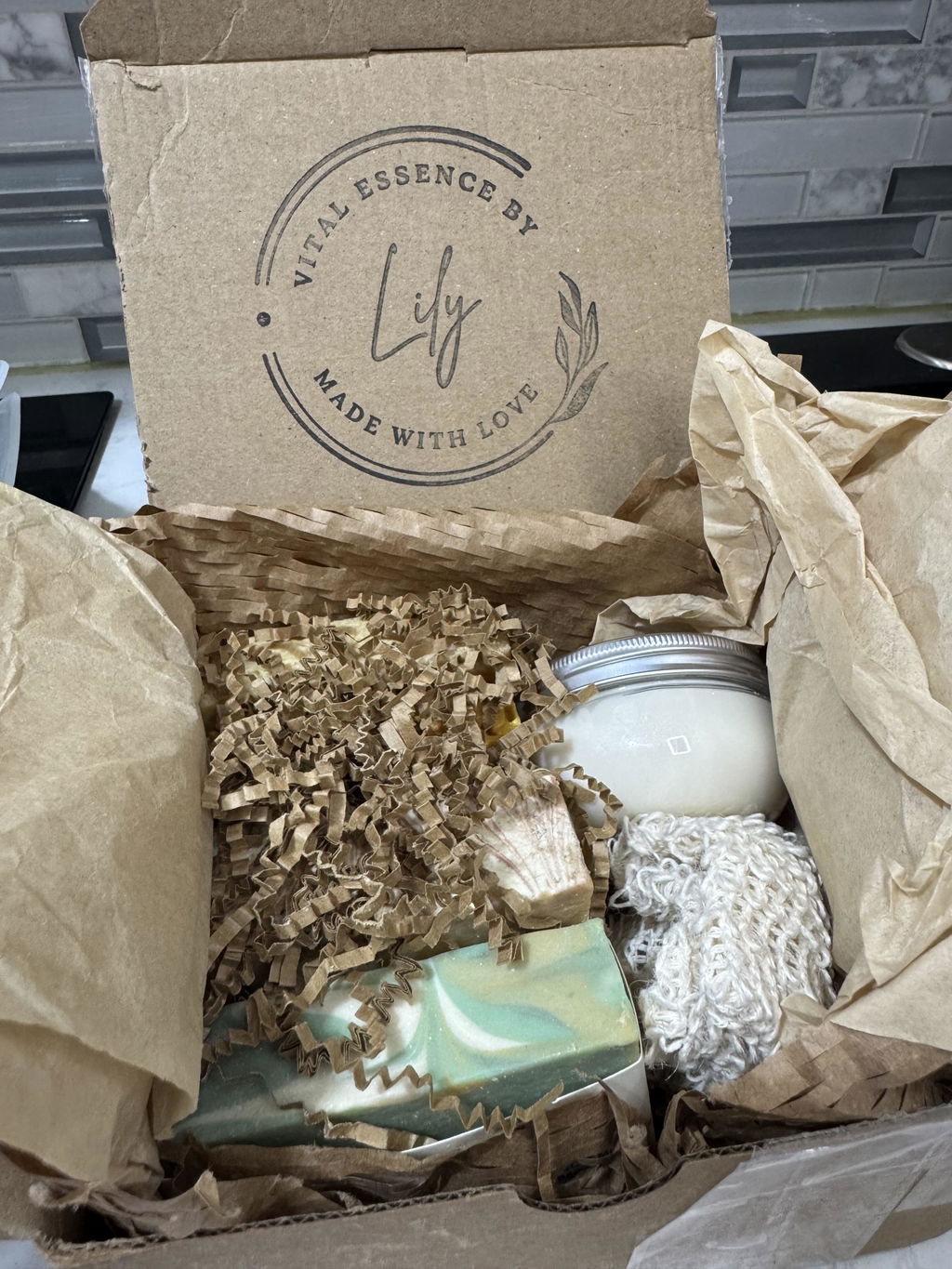
That is why small-batch makers can be such a thoughtful place to look, especially brands that value purity, cruelty-free standards, and ingredient restraint. At Vital Essence by Lily, that philosophy lives in the belief that cleansing should feel like care, not correction. For sensitive skin, that mindset matters.
Sunscreen is part of the answer
Rosacea and sun exposure are rarely good companions. Even brief time outdoors can trigger visible flushing for some people, and repeated exposure often makes redness harder to calm over time. A mineral sunscreen with zinc oxide is usually the preferred direction for sensitive, reactive skin.
Texture matters as much as formula. If sunscreen feels chalky, greasy, or irritating, you are less likely to wear enough of it. The best one is the one your skin tolerates and you will use every day. Sometimes that takes trial and error, and that is normal.
When your skin is flaring, scale back
During a flare, this is not the time to test a new serum or push through with a product that tingles. Return to basics. Use the gentlest cleanser you own, moisturize consistently, protect your skin from heat and sun, and give it space to settle.
It can also help to notice your non-skincare triggers. Spicy foods, alcohol, stress, temperature swings, hot showers, and vigorous exercise can all play a role. Skincare is only one part of the rosacea picture, even though it is often the part we can control most easily.
Finding the best cruelty free skincare for rosacea is less about perfection and more about alignment - formulas that honor sensitive skin, practices that respect your values, and a daily ritual that feels calm in your hands. When your products are crafted with intention and chosen with care, skincare becomes something gentler than a fix. It becomes a steady way of listening to your skin, and answering with kindness.