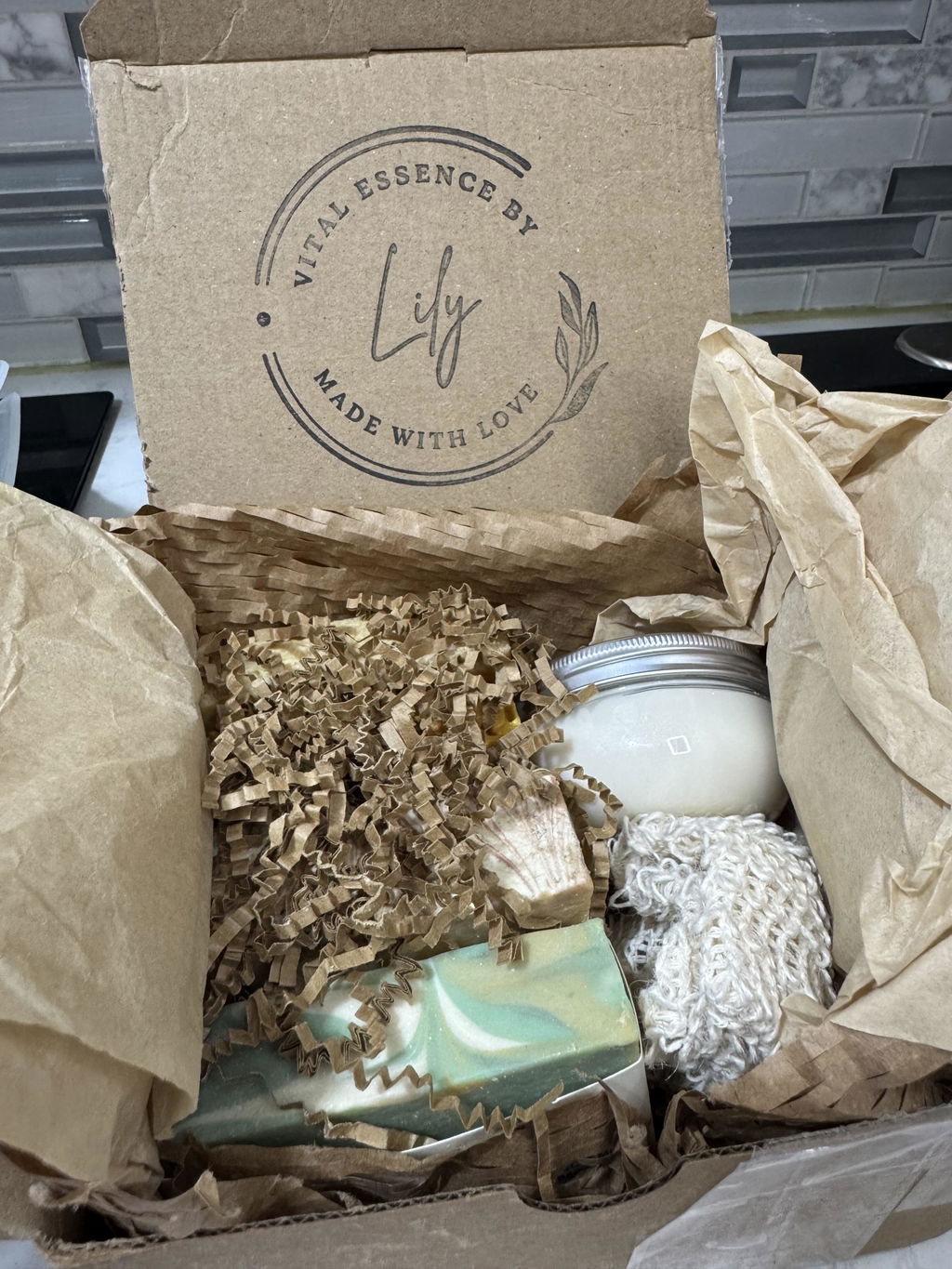
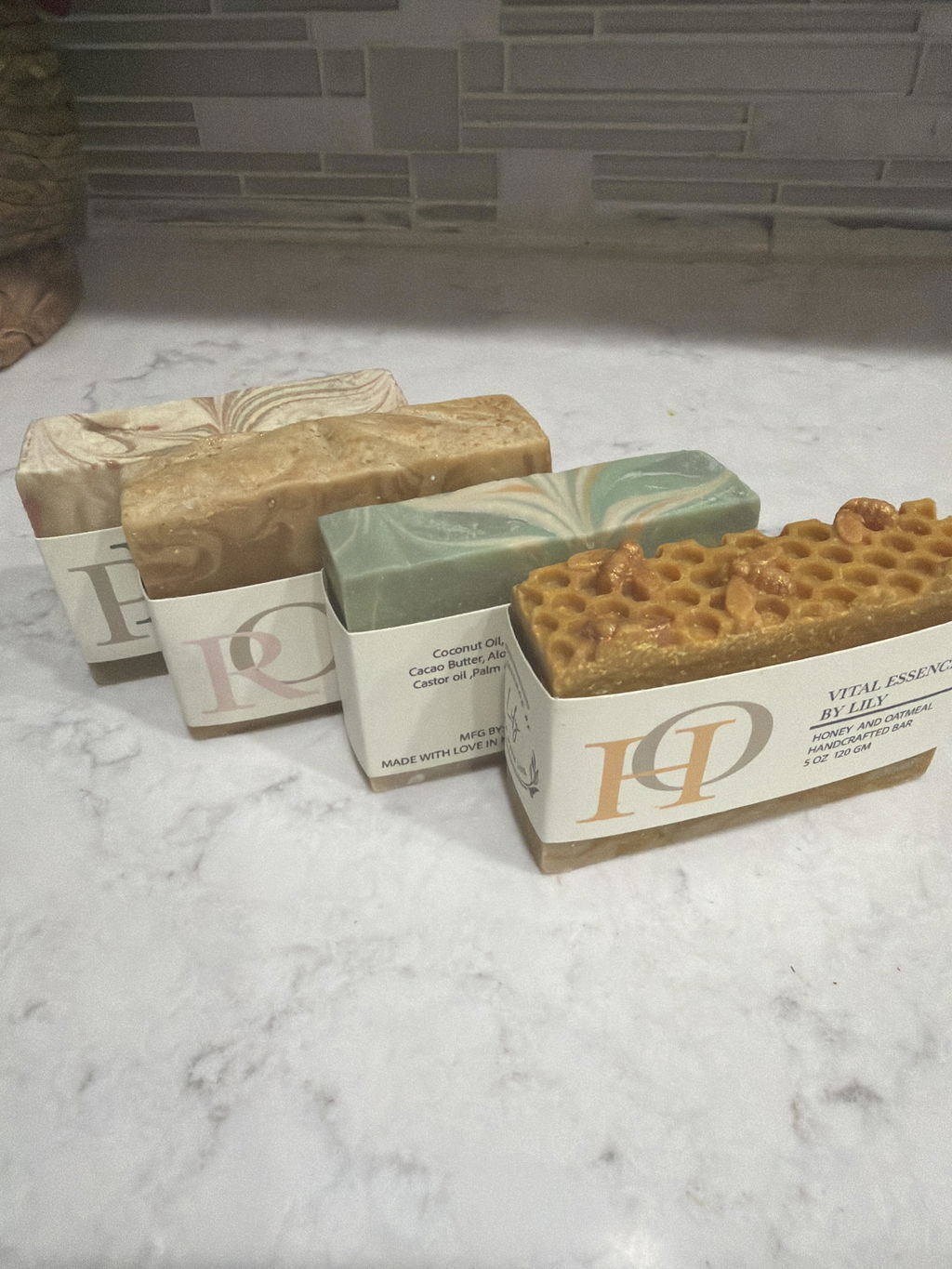
One look at a soap label can tell you a lot. A short, thoughtful ingredient list often signals care, while a bar packed with synthetic detergents, artificial fragrance, and hard-to-pronounce fillers can leave skin feeling stripped rather than comforted. This guide to natural soap ingredients is here to make that label easier to read, so you can choose a bar that feels as nourishing and intentional as your daily ritual should.
Natural soap has a different character than many mass-market cleansing bars. It is created through saponification, the traditional process that turns oils and butters into soap with the help of lye. That word can sound intimidating at first, but in properly made soap, the lye is fully transformed during the process. What remains is a beautifully balanced bar, often rich in naturally occurring glycerin, with ingredients chosen for their skin feel, cleansing profile, and sensory experience.
What makes a natural soap ingredient worth knowing?
Not every natural ingredient does the same job, and that is where shopping gets more interesting. Some ingredients cleanse, some add creaminess, some support a harder, longer-lasting bar, and others contribute a soft botanical touch. A well-made soap is less about a long list of trendy ingredients and more about how each component works in harmony.
That also means natural does not always mean better for every person in every situation. Coconut oil, for example, is beloved for its bubbly lather and cleansing power, but in a very high percentage it can feel too drying for some skin types. Essential oils can smell exquisite and come from plants, yet they may still be too strong for very sensitive skin. The beauty of understanding ingredients is that you can choose with more confidence and less guesswork.
A guide to natural soap ingredients in the base formula
The heart of any natural soap bar is its base oils and butters. These are the ingredients that shape the entire bathing experience, from the first creamy lather to the way your skin feels after rinsing.
Olive oil
Olive oil is one of the most treasured ingredients in traditional soapmaking. It creates a gentle, conditioning bar with a silky, low, creamy lather. Soaps made with a high amount of olive oil are often a lovely choice for dry or delicate-feeling skin, though they may not produce the big bubbles some people expect.
Coconut oil
Coconut oil brings cleansing power and abundant foam. It helps lift away oil and buildup, which is why it is so common in bar soap. Still, balance matters. When paired thoughtfully with softer, more conditioning oils, it adds freshness without making the bar feel overly harsh.
Shea butter
Shea butter adds a plush, comforting quality to soap. It is often chosen for the creamy feel it brings to the lather and the more nourishing finish it can leave behind. In a bar meant to feel indulgent and skin-conscious, shea butter is often one of the ingredients people look for first.
Cocoa butter
Cocoa butter helps create a firmer bar and adds richness to the formula. It has a dense, velvety character that can make soap feel more substantial in the hand and more luxurious on the skin. It is especially appealing in bars designed to feel grounding and deeply comforting.
Castor oil
Castor oil is often used in smaller amounts, but it plays an outsized role in lather. It helps stabilize bubbles and adds a smooth, almost cushiony feel to the foam. In a thoughtfully balanced recipe, it can make the overall experience feel more refined.
Sunflower, avocado, and sweet almond oils
These plant oils are often included for their conditioning qualities. Sunflower oil is light and gentle, avocado oil feels rich and comforting, and sweet almond oil is prized for its soft skin feel. Each brings something slightly different, which is why artisan soapmakers blend them with intention rather than relying on a single oil alone.
Botanicals, clays, and other natural additions
Once the base formula is established, soap can be elevated with botanical ingredients that add beauty, texture, and a subtle sense of ritual. These additions are often what make a handcrafted bar feel personal.
Clays
Kaolin clay, French green clay, and rose clay are common in natural soap. Clays can help give the bar a silky slip and a refined texture, and they often contribute soft, earthy color. Some people especially enjoy clay soaps for the fresh, polished feel they bring to the cleansing experience.
Oats
Colloidal oats or finely ground oats are favorites in gentle soap formulas. They can lend a soothing, creamy quality and a soft natural texture. For those who prefer a quiet, comforting kind of skincare, oat-based bars often feel especially inviting.
Herbal infusions and powdered botanicals
Calendula, chamomile, lavender, turmeric, and alkanet root are examples of botanicals used in artisan soap. Sometimes they are infused into oils before the soap is made, and sometimes they are added in powdered form for natural color or visual character. Their role is often subtle, but that subtlety is part of the beauty. A botanical soap does not need to shout to feel special.
Natural exfoliants
Poppy seeds, coffee grounds, oats, and finely ground herbs can add gentle exfoliation. These ingredients are best when used with restraint. A little texture can make a bar feel energizing and effective, but too much can be abrasive, especially for sensitive skin.
Understanding natural scent in soap
Scent is often what draws us in first. It can turn a quick shower into a pause, a reset, a small moment of pleasure. In natural soap, scent usually comes from essential oils rather than synthetic fragrance oils.
Lavender, eucalyptus, peppermint, sweet orange, rosemary, and cedarwood are all familiar choices. Each brings its own mood. Lavender feels calming, citrus feels bright, and woodsy notes feel grounding. But essential oils are not simply perfume from plants. They are concentrated aromatic extracts, and because of that, they need to be used carefully and thoughtfully.
If your skin is very reactive, an unscented bar or one with a minimal essential oil blend may be a better fit. Natural fragrance can still be too much for some people. Choosing well is not about chasing the strongest scent. It is about finding the right level of comfort and pleasure for your skin and your senses.
Ingredients that deserve a closer look on labels
If you are shopping for truly natural soap, there are a few label details worth noticing. One is whether the product is actually soap or a synthetic detergent bar. Many commercial cleansing bars are made with surfactants rather than traditional saponified oils. They can still cleanse, of course, but they offer a different experience than a handcrafted botanical soap.
It also helps to scan for artificial fragrance, synthetic colorants, and unnecessary preservatives in bar soap. Because traditional soap has a naturally high pH, it often does not require the same preservative system that water-heavy liquid products do. A simple, well-made bar can often stay beautifully uncomplicated.
Another detail to watch is how ingredients are listed. You may see terms like saponified olive oil, coconut oil, and shea butter, or you may see the ingredient names written as sodium olivate, sodium cocoate, and sodium shea butterate. Both styles can reflect real soapmaking. What matters is understanding whether the bar begins with quality oils and butters rather than detergent-based cleansers.
How to choose the right natural soap for your skin
The best bar depends on what your skin has been asking for. If your skin often feels dry or tight after cleansing, look for soaps rich in olive oil, shea butter, avocado oil, or oats. If you prefer a fresher, more cleansing feel, a bar with coconut oil and clay may suit you well, especially in humid weather or after workouts.
For sensitive skin, simpler is usually kinder. Fewer ingredients, little to no added exfoliation, and lighter scent can make a noticeable difference. For gifting, scent and visual beauty often matter just as much as function. A bar with botanical swirls, creamy lather, and a beautifully balanced essential oil blend feels practical, yes, but also deeply thoughtful.
At Vital Essence by Lily, that is part of the intention behind handcrafted soap. The ingredients are not chosen just to fill a formula. They are selected to create a more grounded, skin-conscious ritual - one that feels close to nature and generous in the smallest daily moments.
Natural soap asks us to slow down just enough to notice what we are using and how it makes us feel. When you understand the ingredients in your bar, you are not just reading a label more clearly. You are choosing a gentler kind of care, shaped by plants, tradition, and the quiet luxury of something made with intention.