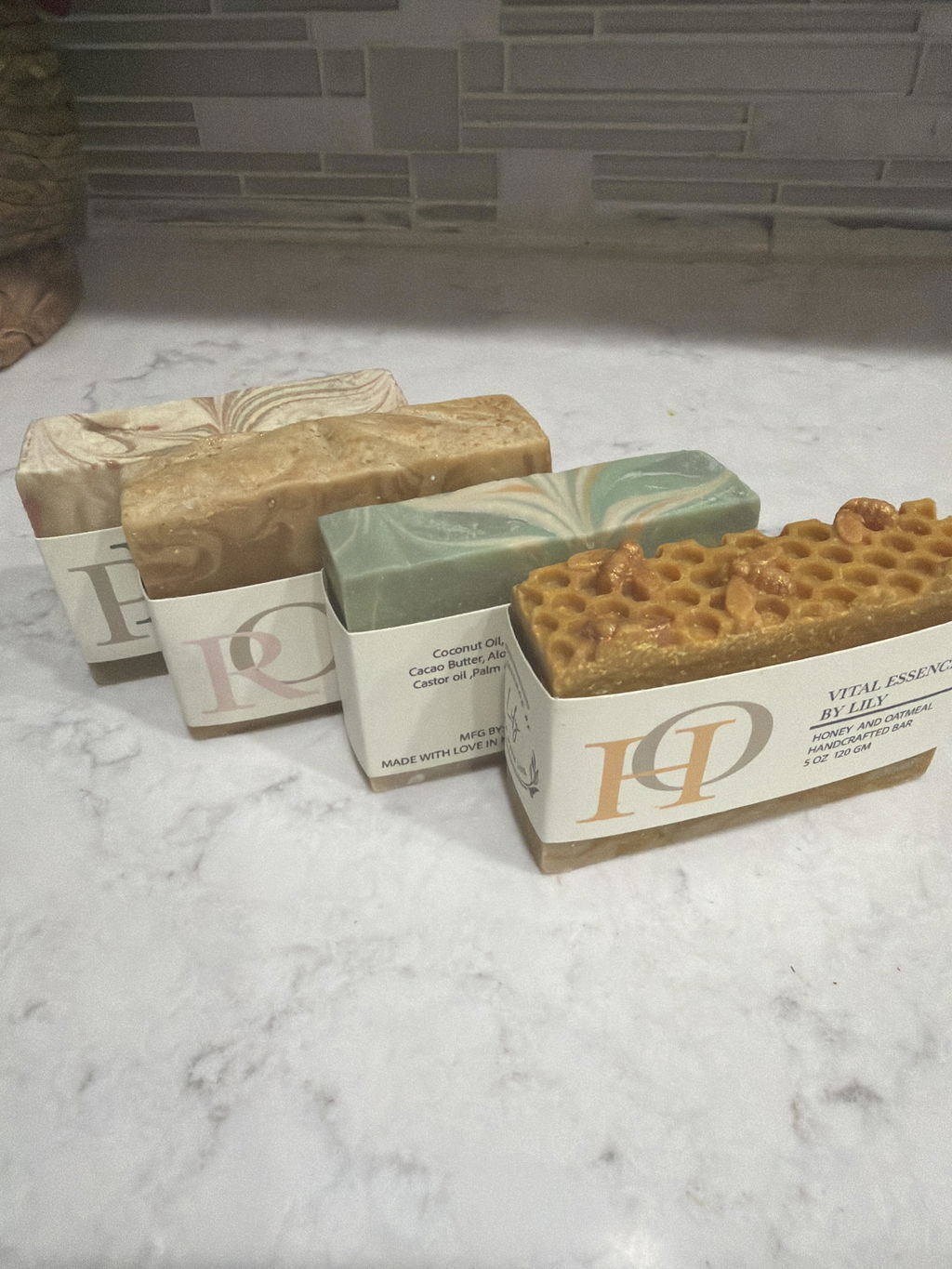
The first time you wash with a truly natural bar, the difference is hard to miss. The lather may feel creamier, the rinse may seem softer, and your skin may not have that tight, squeaky finish you have come to expect. If you have ever wondered why does natural soap feel different, the answer begins with what it is made from, how it is crafted, and what it leaves behind on your skin.
Natural soap is not trying to mimic the stripped-down feel of many commercial cleansers. It is created through traditional saponification, where oils and butters are transformed into soap in a way that can preserve skin-loving qualities within the bar. That change in texture and after-feel is not your imagination. It is often the sign that you are using something fundamentally different.
Why does natural soap feel different on skin?
Most people notice the difference after rinsing. With many conventional cleansing bars and body washes, skin can feel very clean in a sharp, almost squeaky way. That sensation is often tied to stronger surfactants or detergent-based formulas that remove oil aggressively.
Natural soap usually feels gentler because it cleans without aiming to erase every trace of your skin's natural moisture. A handcrafted bar made with plant oils, rich butters, and a thoughtful cure can leave skin feeling balanced rather than stripped. For many people, that softer finish feels unfamiliar at first only because they have been taught to associate harshness with cleanliness.
There is also a texture difference during the wash itself. Natural soap lather can be dense, silky, or lotion-like depending on the oils used. Olive oil tends to create a softer, creamier lather. Coconut oil can bring larger bubbles and stronger cleansing power. Shea butter and cocoa butter can add richness. In a small-batch bar, those choices are intentional, and your skin can feel them.
The ingredient story behind the difference
One of the biggest reasons natural soap feels distinct is that real soap and detergent cleansers are not the same thing. Many mass-market bars are formulated with synthetic surfactants, stabilizers, artificial fragrance, preservatives, and fillers designed for long shelf life, uniformity, and low-cost production.
A natural bar takes a different path. It begins with oils, butters, lye, and often botanicals, clays, herbs, or essential oils. Once saponification is complete, the lye is no longer present as a harsh ingredient in the finished bar. What remains is soap, along with the character of the original oils and the beauty of a formula built with intention.
This matters because each ingredient contributes to the final skin feel. Avocado oil can lend a cushiony quality. Olive oil is known for its gentle, conditioning nature. Coconut oil boosts cleansing and lather, but if used too heavily it can feel drying for some skin types. Castor oil often helps support a stable, creamy foam. When a maker balances these ingredients well, the result can feel less like a generic cleanser and more like a thoughtful part of your daily ritual.
Glycerin is part of the magic
If you have ever used a handcrafted bar and noticed that your skin feels more comfortable after washing, glycerin may be one reason. Natural glycerin is a humectant created during the soapmaking process. It helps attract moisture, which can support a more supple feel on the skin.
In many commercial soap products, glycerin may be removed and used elsewhere because it has value in lotions and other skincare. In handcrafted soap, it is often left in the bar. That alone can create a very different experience.
This is one of the quiet luxuries of artisan soap. You may not see glycerin listed as a glamorous feature, but your skin often notices it. Instead of that dry, rushed feeling that sends you reaching for body lotion immediately, you may feel a softer transition from cleansing to comfort.
Why the lather is not always the same
People often expect all soap to foam in the same way, but natural soap can behave very differently from one bar to another. That is not a flaw. It is part of the honesty of the formula.
Big bubbles are not the only sign of a beautiful wash. Some natural bars produce a low, creamy lather that feels velvety rather than dramatic. Others bloom into a fluffy foam depending on the oil blend, your water hardness, and even the washcloth or sponge you use.
Hard water can also affect how natural soap feels. Minerals in the water may reduce lather or leave a slight drag during rinsing. If you live in an area with hard water, a bar may feel different than it would for someone else. The soap is still doing its job, but the experience can vary.
That is one reason some people need a little time to adjust. Commercial products are often engineered for consistency above all else. Handcrafted soap is more alive to its ingredients and environment.
The "squeaky clean" myth
For years, many of us were taught that clean skin should feel almost stripped. But that squeak is not always a sign of skin being cared for well. Often, it means too much oil has been removed from the surface.
Natural soap tends to respect the skin barrier more gently, especially when made with nourishing oils and cured properly. The result can feel like there is a soft veil left behind. Not greasy, not coated, just less depleted.
That feeling can be especially welcome for people who are tired of cleansers that leave their arms, legs, or hands feeling dry within minutes. It can also be a relief for anyone trying to create a more mindful routine with products that work with the skin instead of against it.
Still, not every natural soap will feel perfect for every person. Skin type matters. A bar high in coconut oil may feel wonderful to one person and too cleansing for another. A very rich, conditioning bar may feel ideal in winter and slightly heavy in humid weather. There is nuance here, and that is part of choosing soap more intentionally.
Handmade soap carries the character of the maker
Another answer to why does natural soap feel different is craftsmanship. Small-batch soap is not assembled with the same priorities as factory-made cleansing bars. The maker chooses the oils, the cure time, the botanical additions, and the balance between cleansing and conditioning.
That level of care changes the finished bar. A well-cured soap is often harder, longer-lasting, and milder than a fresh bar. Thoughtful formulation can create a better rinse, a creamier lather, and a more elegant skin feel. Even the inclusion of clays, oats, milk, or herbal infusions can subtly shape the experience.
This is where soap becomes more than a utility. It becomes sensory. The texture in your hands, the way the steam carries the scent, the calm of a bar crafted with earth-derived ingredients - all of it turns a basic wash into a small act of self-tending.
For those drawn to intentional skincare, that difference matters. It is not only about what natural soap avoids. It is also about what it offers: a closer relationship to ingredients, process, and ritual.
What to expect when you switch
If you are moving from conventional body wash or detergent bars to natural soap, your skin may need a brief adjustment. You might notice less dramatic foam, a different rinse, or a softer after-feel that seems unfamiliar at first. Give it a little time.
It also helps to store your bar properly between uses. Natural soap lasts best when it can dry out fully on a well-draining soap dish. Because it often contains natural glycerin and fewer hardening additives, it benefits from a little breathing room.
And if one bar does not feel like your perfect match, that does not mean natural soap is not for you. It may simply mean your skin prefers a different oil blend, scent profile, or level of exfoliation. This is one of the joys of artisan soap - there is room for preference, seasonality, and discovery.
At Vital Essence by Lily, that belief is at the heart of the bar. Soap made with intention should feel different. It should feel closer to nature, gentler on the skin, and more beautiful in the quiet rhythms of everyday life.
When natural soap feels different, it is often because it is asking you to expect something better than harshness. Softer skin, a richer lather, and a more mindful cleansing ritual are not small things. They are often the first signs that your daily routine is becoming a little more nourishing, one bar at a time.