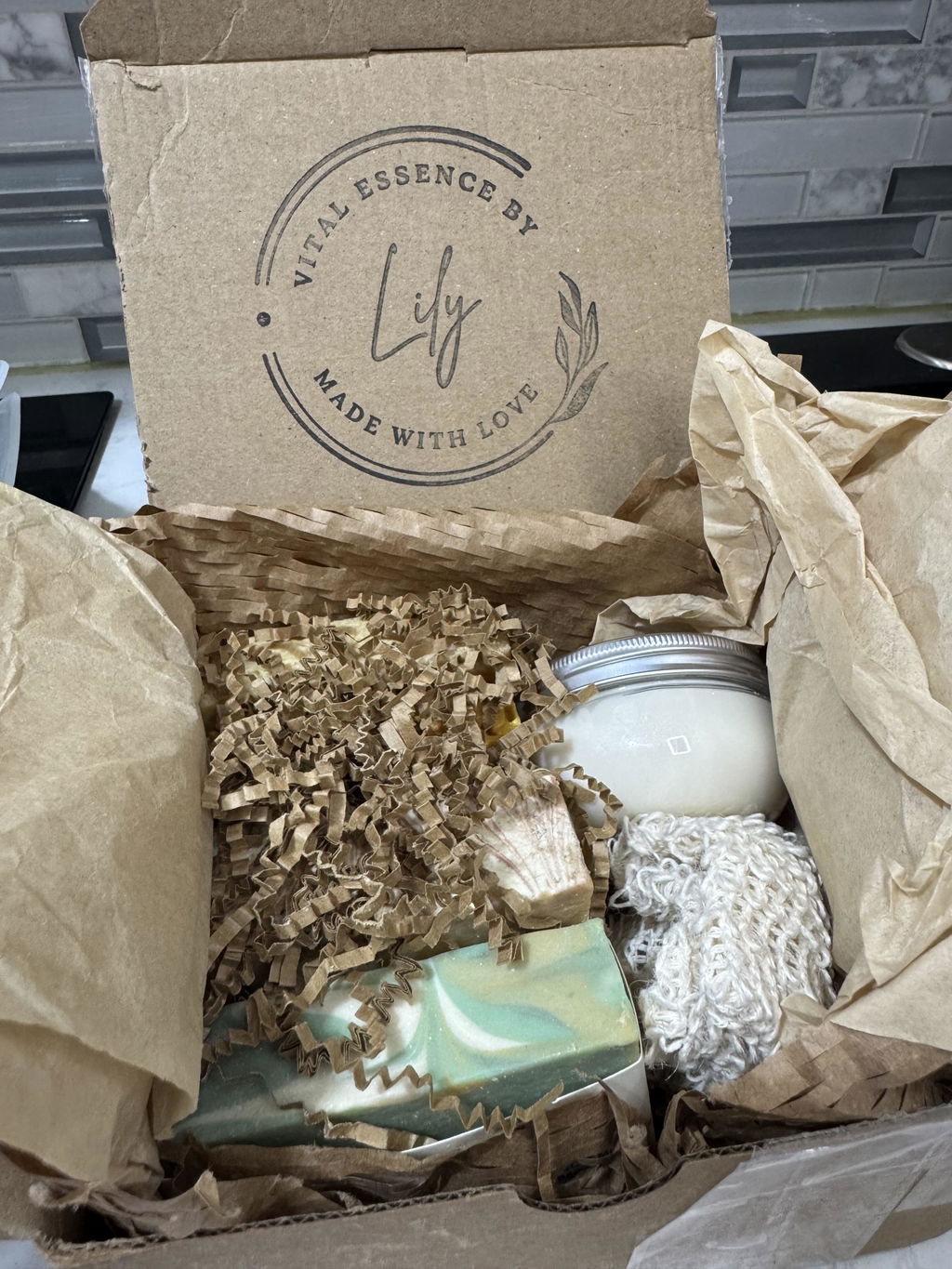
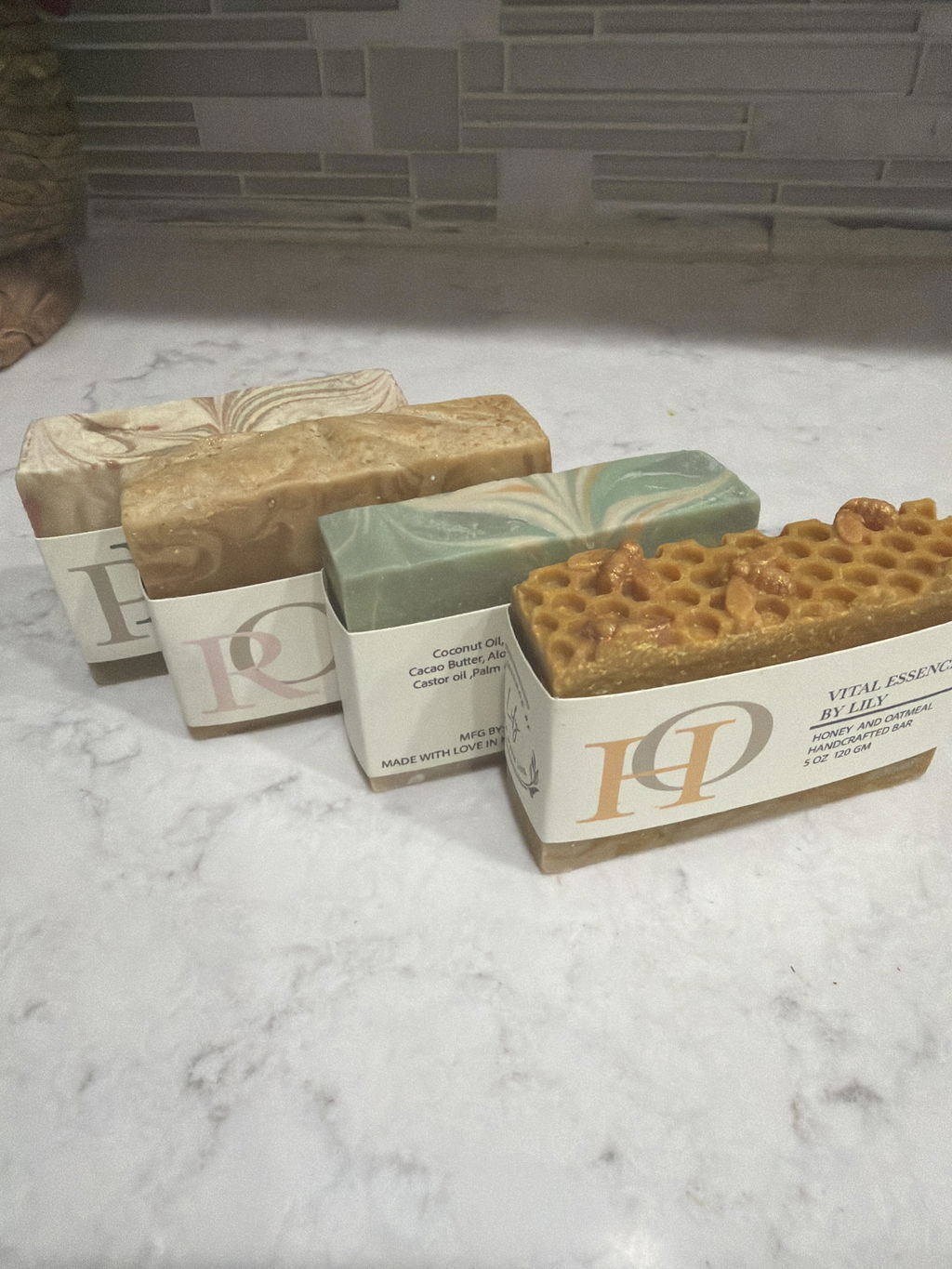
You turn over a soap bar, scan the label, and see a phrase that sounds reassuring: all natural ingredients. It feels simple, almost self-explanatory. But if you have ever paused and wondered what does all natural ingredients mean, you are asking exactly the right question - because in personal care, those words can signal genuine ingredient integrity, or they can blur into marketing.
For anyone choosing products for their skin with care and intention, the phrase deserves a closer look. Not to make shopping feel complicated, but to make it more honest. When you understand what “all natural” can and cannot tell you, it becomes easier to choose soaps and skincare that feel aligned with your values, your skin, and your daily rituals.
What does all natural ingredients mean on a label?
At its most literal, “all natural ingredients” suggests that every ingredient in a product comes from nature rather than being made synthetically in a lab. In a handcrafted soap, that might mean plant oils, butters, clays, botanicals, salts, and essential oils. It points toward ingredients with a recognizable origin - olive oil from olives, coconut oil from coconuts, shea butter from the shea tree.
That is the simple version. The more nuanced version is where things matter.
In the United States, the term “natural” in personal care is not governed by one universal, strict standard that applies across every soap, lotion, or body product. That means brands may use the phrase differently. One maker may use it with deep care and discipline, while another may apply it loosely because a few ingredients began somewhere in nature.
So when people ask what does all natural ingredients mean, the most truthful answer is this: it depends on the formulation, the maker’s standards, and whether the ingredient list supports the claim.
Why the phrase can be confusing
Nature and chemistry are not opposites. That is part of the confusion.
Many natural ingredients still go through processing before they appear in a bar of soap. Cold-pressed oils are processed. Distilled essential oils are processed. Even lye, which is necessary for true soapmaking through saponification, can sound alarming if you do not understand the craft behind it. Yet without it, traditional soap does not become soap at all.
This is why label language alone is never the full story. A product can contain botanically derived ingredients and still include synthetic fragrance, colorants, or preservatives. On the other hand, a carefully crafted soap may include ingredients that sound technical but are part of a time-honored, skin-conscious making process.
The phrase “all natural” should invite curiosity, not blind trust.
What to look for beyond the words all natural ingredients
If you want to know whether a product reflects true ingredient purity, begin with the ingredient list itself. A short, readable list is often a good sign, though not a guarantee. You want to see ingredients that make sense in the context of the product.
For a botanical bar soap, that may include oils such as olive, coconut, castor, or sunflower, along with butters like shea or cocoa. You may also see clays, oats, herbs, salts, milk, honey, or essential oils depending on the formula. These ingredients feel grounded, not because they are trendy, but because they have clear roles in the experience of the soap - cleansing, conditioning, scenting, or adding texture.
It also helps to notice what is missing. Many shoppers looking for a more natural option are trying to move away from detergent-based cleansers, heavy synthetic fragrance, and long ingredient lists filled with unfamiliar additives. A handcrafted soap made with intention often reflects restraint. It does not try to be everything at once. It simply does its job beautifully.
What “natural” does not automatically mean
A natural label can be meaningful, but it is not a promise of perfection.
It does not automatically mean a product will suit every skin type. Essential oils are natural, yet some people are sensitive to them. Botanical extracts can be lovely, but they can still trigger reactions in certain individuals. Natural does not mean hypoallergenic, and it does not mean risk-free.
It also does not always mean unprocessed, organic, or cruelty-free. Those are separate ideas. A product can be natural without being certified organic. It can be botanical in composition but still tested in ways that do not align with cruelty-free values. If those standards matter to you, they are worth checking individually.
And perhaps most importantly, natural does not always mean gentle if the overall formula is poorly balanced. Craft matters. Ingredient sourcing matters. The quality of the oils, the curing process, and the maker’s understanding of formulation all shape how the final bar feels on the skin.
What does all natural ingredients mean in real soapmaking?
In traditional soapmaking, the answer becomes more tangible.
A true bar soap is created through saponification, the age-old process in which oils and lye transform into soap and glycerin. That process matters because it separates authentic soap from many commercial cleansing bars that are technically syndet bars, or synthetic detergent bars. Those mass-market options may cleanse effectively, but they are often formulated very differently and can feel more stripping on the skin.
When a handcrafted soapmaker says a bar is made with all natural ingredients, the phrase often refers to the oils, butters, botanicals, and aromatic elements selected for the formula. In a well-made artisan bar, those ingredients are chosen not only for label appeal but for the way they contribute to the ritual itself - the creamy lather, the gentle cleanse, the nourishing feel after rinsing, the subtle scent rising with steam.
This is where small-batch craft can make a meaningful difference. Careful makers tend to know every ingredient intimately. They choose with purpose. They formulate for experience, not just shelf presence.
How to read a natural personal care product with more confidence
If you want a practical way to shop, start by asking a few grounded questions.
First, can you identify most of the ingredients, or at least understand their origin with a little context? Second, does the brand explain how the product is made, not just how it is marketed? Third, does the formula make sense for the kind of product it is? A soap should read differently than a lotion, and a balm should read differently than a body wash.
Then pay attention to brand philosophy. A thoughtful maker usually speaks clearly about sourcing, process, and why certain ingredients are used. There is often a visible respect for the material itself - oils treated as more than filler, botanicals chosen for both beauty and function, fragrance handled with care rather than excess.
This is often where artisan brands stand apart. The product is not built around a headline claim first. It is built around the formula. The claim follows naturally from the craft.
Why this matters for your skin and your daily ritual
Most of us do not want a chemistry lesson every time we wash our hands or step into the shower. We want something simpler. Something trustworthy. Something that feels good against the skin and aligns with a more mindful way of living.
That is why clarity around ingredients matters. It turns a routine purchase into an intentional one. When you choose a soap made with earth-derived oils, botanical elements, and a traditional process, you are not just avoiding what feels harsh or unnecessary. You are choosing a different relationship with everyday care.
The experience shifts. A bar soap becomes more than a basic cleanser. It becomes a small pause in the day, a sensory ritual shaped by texture, scent, and craftsmanship. At Vital Essence by Lily, that belief sits at the heart of the handmade process - that pure ingredients and traditional soapmaking can transform a simple daily act into something more nourishing and deeply felt.
A better question than “Is it natural?”
Sometimes the best question is not simply whether a product is natural. It is whether the product is honest.
Does the ingredient list reflect what the front label promises? Does the maker treat ingredients with respect? Does the formula feel intentional, balanced, and worthy of your skin?
When you begin there, the phrase “all natural ingredients” becomes less of a slogan and more of a conversation about standards, transparency, and care. And that is a much more useful way to shop.
The next time you see those words on a label, let them be an invitation to look a little closer. Often, the most beautiful products are the ones that do not hide behind the claim - they quietly live up to it.