A beautiful bar of soap can tell you a great deal before it ever touches water. The scent of botanicals, the texture of a thoughtfully cured bar, the ingredient list written in plain language - these details often reveal whether a product was made with care or simply made to sell. That is part of why so many shoppers are paying closer attention to cruelty-free skincare brands. They are not only looking for products that feel gentler on skin, but for a way of caring for themselves that reflects compassion, integrity, and intention.
For many people, the phrase sounds simple enough. If a brand says it is cruelty-free, that should settle it. In practice, it can be a little more layered. Labels, certifications, parent companies, ingredient sourcing, and marketing language all shape what a shopper is really buying. And if your goal is to build a skincare ritual rooted in nature, not noise, it helps to know what to look for.
What cruelty-free skincare brands really mean
At its heart, cruelty-free means a product and its ingredients were not tested on animals. That is the core idea, and it matters. But the skincare world is full of phrases that sit close to it without meaning exactly the same thing.
Cruelty-free is not automatically the same as natural. A product can avoid animal testing and still contain synthetic detergents, artificial fragrance, or a formula that feels harsh on dry or sensitive skin. On the other hand, a product can contain botanical ingredients and still leave unanswered questions about testing practices if the brand is vague.
This is where thoughtful shopping becomes useful rather than overwhelming. The goal is not to chase perfection. It is to choose brands that are transparent, consistent, and aligned with your values.
Why cruelty-free skincare brands matter beyond the label
For values-driven shoppers, cruelty-free is rarely just a trend badge. It is often part of a broader shift away from careless production and toward products that feel more personal, more honest, and more respectful of living things.
That shift tends to go hand in hand with a deeper interest in ingredients. Someone who wants to avoid animal testing is often the same person reading the back of a label, wondering why a cleanser feels tight after washing, or looking for a more nourishing alternative to mass-market body care. These choices are connected. They come from the same instinct to be more mindful about what enters a daily ritual.
There is also an emotional dimension that should not be dismissed. Skincare is intimate. It lives in the quiet moments of the morning and the final exhale at night. When a product is crafted with intention, it changes the experience. You feel it in the texture, the aroma, the simplicity of the formula, and in the peace of knowing your routine reflects what matters to you.
How to spot truly cruelty-free skincare brands
The clearest sign is transparency. Brands that are genuinely committed to cruelty-free practices usually say so plainly and explain what that commitment covers. They do not hide behind vague language like “we care about animal welfare” without offering specifics.
Look for direct statements about both finished products and ingredients. Some brands also carry third-party certifications, which can offer added reassurance. That said, not every small-batch maker pursues formal certification, especially artisan businesses that keep production close, simple, and hands-on. In those cases, honesty and ingredient clarity can still speak volumes.
It also helps to notice what a brand emphasizes overall. If the messaging centers only on trends, luxury packaging, or miracle claims, the cruelty-free language may be more decorative than foundational. But when a brand consistently talks about ingredient integrity, small-batch production, and careful formulation, the values tend to feel more grounded.
Cruelty-free does not always mean gentle
This is one of the most useful distinctions a shopper can make. A cruelty-free label tells you something important about ethics, but it does not guarantee the formula will suit your skin.
For example, some cruelty-free cleansers still rely on aggressive surfactants that can strip the skin barrier. Others may use strong fragrance blends that smell lovely at first but irritate sensitive skin over time. If your skin often feels dry, tight, or reactive after cleansing, the issue may not be whether a product is cruelty-free. It may be the formula itself.
That is why ingredient simplicity matters. Products made with plant oils, butters, clays, and thoughtfully chosen botanicals often offer a more grounded experience than formulas built around harsh detergents and fillers. Traditional soapmaking, when done with skill and care, can create cleansing bars that feel far more nourishing than the commercial bars many people grew up with.
What to look for if you prefer natural, artisan formulas
If your ideal routine leans earthy, sensory, and uncomplicated, cruelty-free skincare brands with a handcrafted approach may feel especially aligned. These brands often work in smaller batches, which can mean greater attention to ingredient quality and formulation detail.
Look for ingredient lists you can actually read. Olive oil, coconut oil, shea butter, oatmeal, calendula, lavender, and clays are familiar materials with a long history in skin rituals. That does not mean every natural ingredient works for every person. Coconut oil, for instance, can feel beautiful in a body bar but may be too rich for some facial skin. Lavender can be soothing for one person and too aromatic for another. Still, recognizable ingredients make it easier to choose with confidence.
Texture and purpose matter too. A handcrafted botanical soap for the body may offer a creamy, comforting cleanse that turns an everyday shower into a small act of restoration. A facial cleanser, however, may need a different balance depending on skin type. Dry skin often prefers richer support, while oily or blemish-prone skin may do better with lighter cleansing and fewer heavy occlusives. There is no single best formula for everyone.
Questions worth asking cruelty-free skincare brands
A good brand should make you feel informed, not confused. If you are deciding whether to trust a product, a few quiet questions can help.
Do they clearly state that neither the finished product nor the ingredients are tested on animals? Do they explain what is in the formula without leaning on buzzwords? Do they seem focused on skin wellness, or only on selling fast results?
You can also ask how the product is made. In small-batch skincare, process matters. Traditional methods, careful curing, and ingredient selection all shape how a product performs. Brands that respect craft usually enjoy sharing that story because it is part of the product itself.
The role of scent, ritual, and everyday pleasure
One of the loveliest things about choosing cruelty-free skincare brands is that ethical shopping does not have to feel clinical. It can feel deeply pleasurable.
A bar scented with citrus and herbs can brighten an early morning. A creamy lather infused with botanical oils can soften the edges of a long day. This is not extra or frivolous. Sensory pleasure is part of what turns routine into ritual.
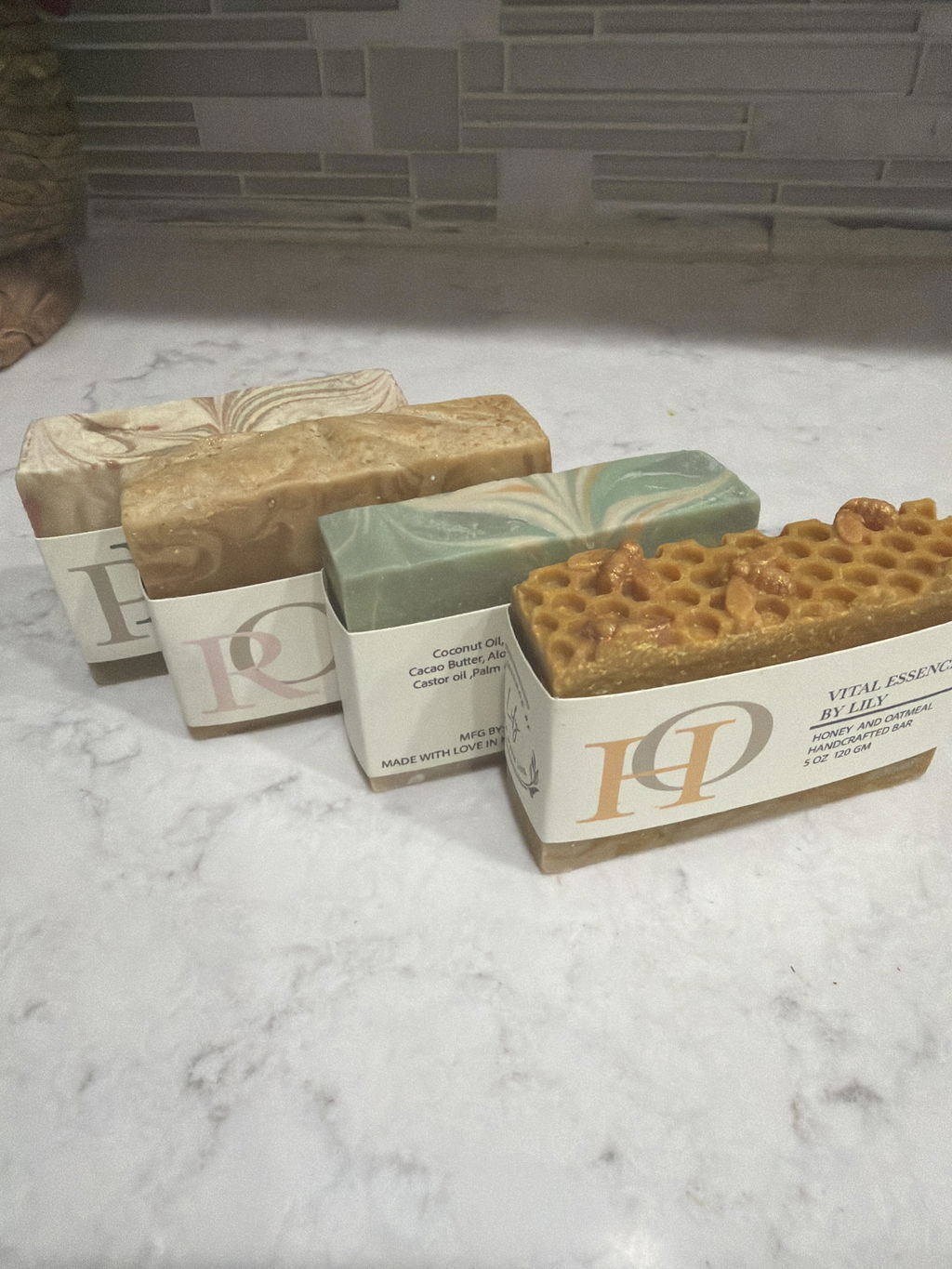
That is where artisan skincare stands apart. It invites you to slow down and notice what you are using. Instead of treating cleansing as a rushed task, it becomes a touchpoint of care. A handcrafted botanical soap from a maker like Vital Essence by Lily carries that spirit naturally - not as a marketing trick, but as part of the craft itself.
When cruelty-free skincare brands are worth the investment
Price matters, and not every shopper wants a bathroom shelf full of premium products. The good news is that mindful skincare does not have to mean excess. Often, it means buying fewer things that do their job well.
A thoughtfully made cleansing bar can replace a harsher body wash and elevate the experience at the same time. A more intentional formula may cost more upfront than a drugstore alternative, but if it leaves your skin feeling balanced instead of stripped, that value becomes real quickly.
It depends, of course, on what you need. If you have highly reactive skin, patch testing and simplicity should come first. If you are shopping for a gift, scent profile and presentation may matter more. If you are transitioning away from conventional products, beginning with one daily staple like soap is often the most natural place to start.
Choosing well is less about building a perfect routine and more about creating one that feels honest. The best cruelty-free skincare brands do not just promise kinder practices. They offer a more considered relationship with the products you use every day, and that kind of care has a way of lingering long after the lather fades.