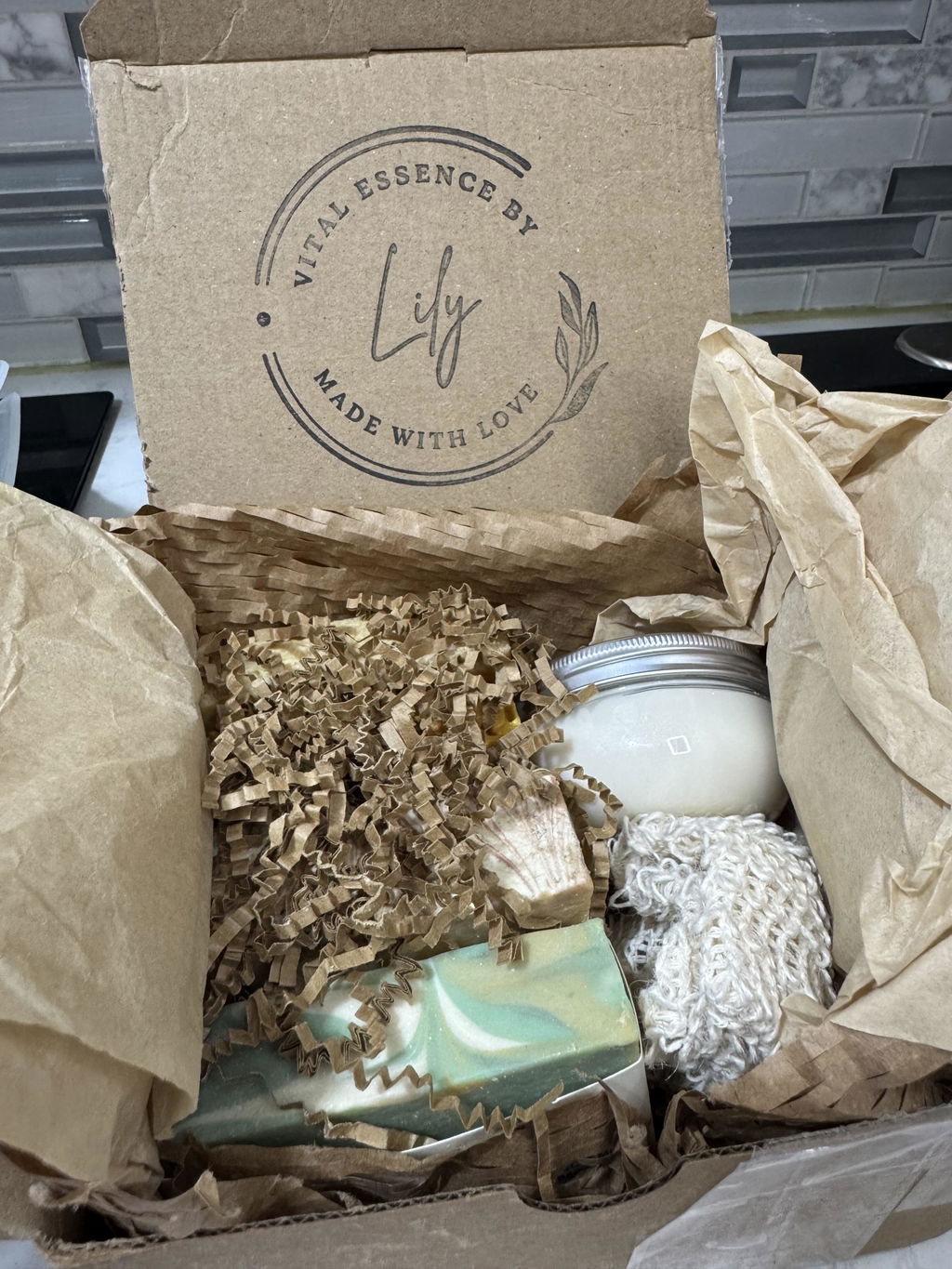
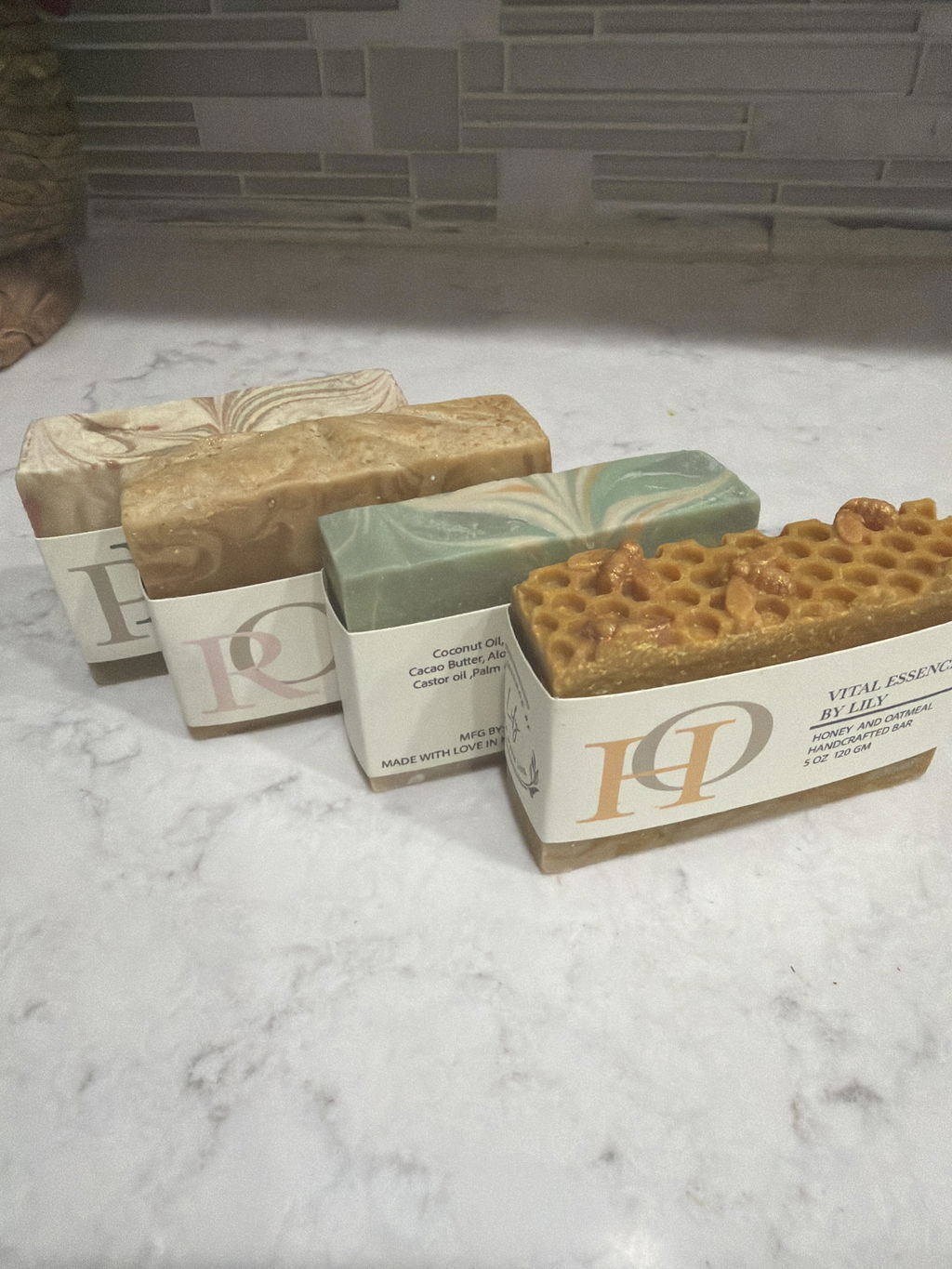
A bar of soap can be more than a quick step between sleep and the rest of your day. When it is made with thoughtfully chosen plant oils, botanical ingredients, and the patient art of saponification, cleansing becomes a small act of care. The botanical soap benefits people seek are often beautifully simple: a gentler-feeling wash, ingredients they can recognize, and a daily ritual that feels more considered than reaching for a brightly colored bottle at the sink.
For those who have grown tired of harsh, overly fragranced cleansers, botanical soap offers a return to something more elemental. It invites you to slow down long enough to notice the creamy lather, the natural aroma, and the clean, comforted feeling left behind.
What Makes Botanical Soap Different?
Botanical soap is not one single formula. It is a style of soapmaking centered on ingredients derived from nature, including plant oils, butters, clays, herbs, flowers, seeds, and naturally inspired aromas. In a well-crafted bar, these ingredients are chosen for both their sensory character and the role they play in the finished soap.
Traditional bar soap is created through saponification, the time-honored process in which oils and an alkali combine to become soap. When made in small batches, this process allows the maker to be attentive to the balance of oils, the texture of the batter, and the final cure. The result is a bar with character, rather than a one-size-fits-all cleansing product designed primarily for speed and shelf efficiency.
That distinction matters. Many conventional body cleansers rely on synthetic detergents, intense fragrance, and long ingredient lists that can feel impersonal or overly aggressive on skin. A botanical bar is not automatically perfect simply because it comes from plants, but a carefully formulated one can offer a more intentional alternative for people who want to simplify what touches their skin.
Botanical Soap Benefits You Can Feel Every Day
The most meaningful benefits are often found in the ordinary moments: washing your hands after gardening, stepping into a warm shower after a long day, or setting out a beautiful bar for guests. Botanical soap turns those routines into a more nourishing sensory experience.
Plant oils create a more comforting cleanse
Oils such as olive, coconut, sunflower, avocado, and castor oil each contribute something different to handmade soap. Some support a rich lather, while others lend a creamy, conditioning feel. Butters such as shea or cocoa butter can add a sense of softness and luxury to the bar.
Soap is still meant to cleanse, so it will naturally lift away oil, dirt, and daily buildup. Yet the blend of oils used in the recipe can influence whether the experience feels crisp and cleansing or creamy and cushiony. This is one reason artisan formulations often feel different from a mass-produced bar made with the lowest-cost base ingredients.
A simpler ingredient story brings peace of mind
There is comfort in knowing what you are using. Botanical soap often appeals to people who prefer recognizable ingredients and wish to avoid unnecessary additives, artificial dyes, or overpowering synthetic scents.
Reading the label remains worthwhile. “Natural” is not a guarantee that every ingredient will suit every person, and fragrance from essential oils can still be too stimulating for some sensitive skin types. The benefit lies in being able to make a more informed choice, selecting a bar that aligns with your preferences and your skin's needs.
Natural color and texture make each bar feel special
Botanicals can bring quiet beauty to a soap bar. Mineral-rich clays, ground oats, flower petals, spices, and plant powders may create soft earth tones and subtle texture without relying on fluorescent colorants. A swirl of creamy ivory, warm rose, sage green, or sunlit gold makes the soap feel like a small object of everyday art.
These additions should be purposeful, not merely decorative. Finely ground oats, for example, can contribute a silky feel, while clays can give a bar a smooth slip. More exfoliating ingredients, such as seeds or coarse botanicals, may be lovely for hands or feet but can be too abrasive for delicate facial skin. The right bar depends on where and how you plan to use it.
Aromatherapy can make washing feel like a ritual
Scent has a powerful way of changing the mood of a room and the rhythm of a day. A botanical soap scented with essential oils may feel bright and awakening in the morning, softly floral at bath time, or grounding beside the kitchen sink.
The goal is not to turn a shower into a complicated wellness project. It is simply to create a moment that belongs to you. The gentle release of a botanical aroma, warm water, and a creamy lather can signal a pause - a chance to care for your body with more presence.
Small-batch craftsmanship honors the details
Handcrafted soap carries the maker's attention in ways that are easy to overlook until you use it. From selecting oils to cutting, curing, and wrapping each bar, small-batch production allows for care at every stage. No two bars are perfectly identical, and that is part of their charm.
At Vital Essence by Lily, this traditional craft is treated as an expression of intention. A bar of soap should feel honest in the hand, beautiful on the counter, and comforting in use. It should reflect a respect for nature's ingredients without making exaggerated promises about what they can do.
Choosing a Botanical Bar for Your Skin
Start with your cleansing habits, rather than searching for one universally “best” soap. If your skin tends to feel dry after bathing, look for bars described as creamy, conditioning, or made with nourishing plant oils and butters. If you prefer a fresh, thorough cleanse after workouts or humid summer days, a bar with a livelier lather may feel more satisfying.
For sensitive or easily reactive skin, less is often more. Choose a bar with a short, clear ingredient list and consider an unscented option or one made with a very gentle scent profile. Patch testing is a wise step when trying any new personal care product, especially if you know you react to essential oils, particular botanicals, or fragrance.
It is also helpful to separate skincare hopes from soap's practical role. Even the loveliest botanical soap is a rinse-off product, not a cure for eczema, acne, or persistent irritation. If skin concerns are ongoing, a dermatologist can help you identify triggers and appropriate treatment. Think of your soap as the foundation of a kind cleansing ritual, not a replacement for medical care.
How to Help Your Handmade Soap Last
A handcrafted bar is at its best when it is allowed to dry between uses. Keep it on a well-draining soap dish rather than in a puddle of water, and store unopened bars in a cool, dry place away from direct sunlight. These small habits preserve the bar's texture, aroma, and usefulness.
If you enjoy variety, keep two or three bars in rotation. One might be fresh and herbal for the morning, another warm and comforting for evening showers, and a third reserved for the guest bath. This is a simple way to make an everyday essential feel personal without adding clutter or complication.
Choosing botanical soap is ultimately a choice to pay attention. Notice how your skin feels after washing, which scents make you exhale, and which ingredients you are happiest to welcome into your home. A thoughtfully made bar can meet you in that quiet space - turning a necessary routine into a luxurious embrace of nature's finest ingredients.