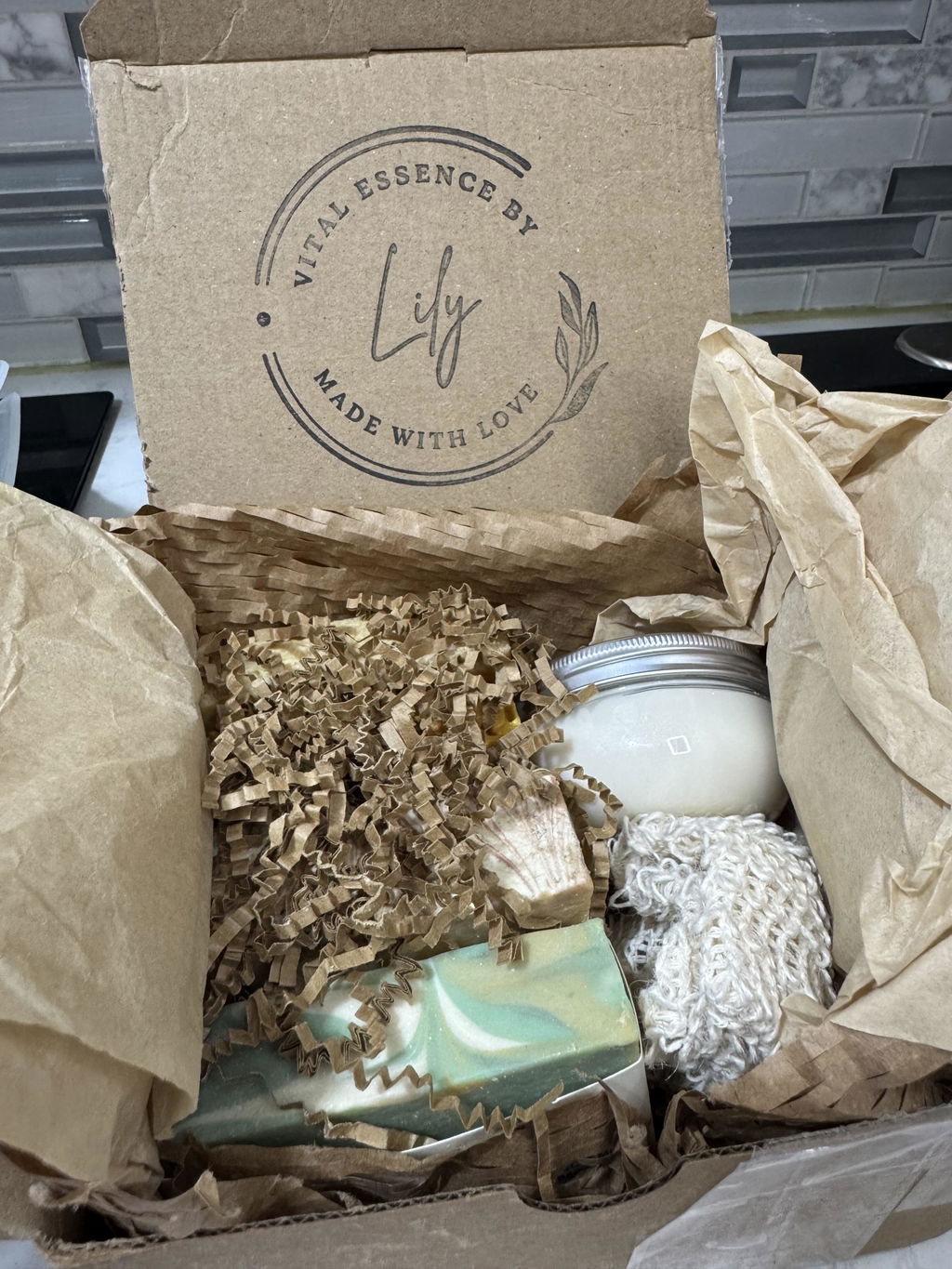
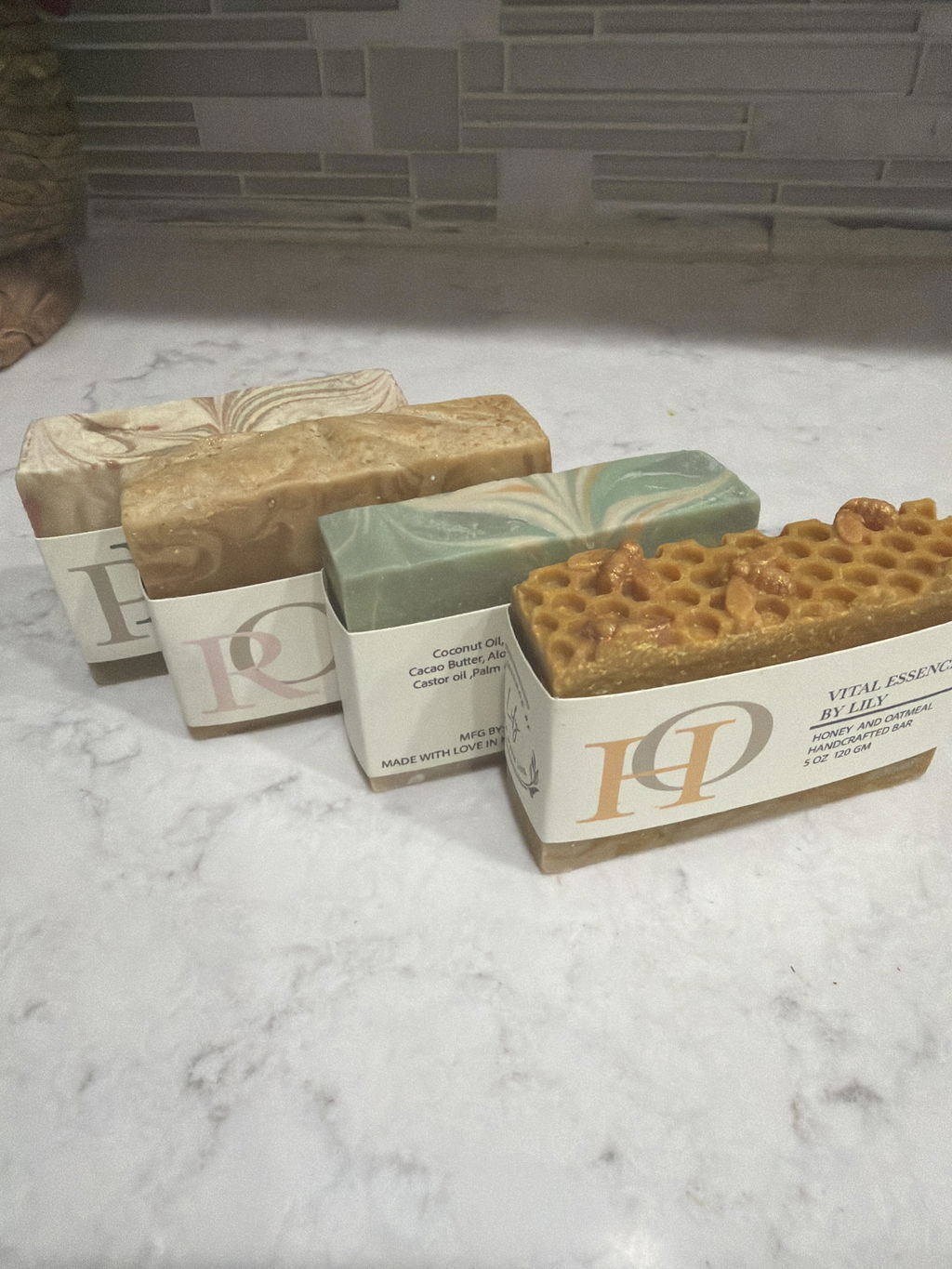
The moment a bar of soap meets warm water, it becomes part of your day in a deeply ordinary, intimate way. It touches your hands, your face, and the skin you live in. Learning how to choose natural bar soap is less about finding the prettiest wrapper and more about choosing ingredients, craftsmanship, and a sensory ritual that feels good from the first lather to the last rinse.
A thoughtfully made natural bar can offer a beautiful alternative to conventional cleansers built around harsh detergents, synthetic fragrance, and a long list of unfamiliar additives. Still, “natural” is not a single standard, and a botanical-looking label does not always tell the whole story. A little ingredient awareness helps you choose a bar that honors both your skin and your values.
Start With the Ingredient List
A natural bar soap should be willing to tell you what it is made of. Look for a clear, readable ingredient list rather than broad promises alone. Traditional soap begins with oils or butters combined with an alkali through the time-honored process of saponification. This transformation creates true soap, a gentle cleanser with a rich, satisfying lather when it is carefully formulated and properly cured.
You may see ingredients written as the original oils, such as olive oil, coconut oil, shea butter, castor oil, or sunflower oil. You may also see their saponified names, such as sodium olivate or sodium cocoate. Both can describe real soap. What matters is that the brand is transparent about the full formulation.
Plant oils and butters each bring something distinct to the finished bar. Olive oil is cherished for its mild, conditioning character. Shea butter lends a creamy, comforting feel. Coconut oil can create generous bubbles and cleansing power, while castor oil often supports a silky lather. A well-crafted recipe balances these qualities rather than relying heavily on one ingredient alone.
Be mindful of ingredient lists that lead with vague terms such as “fragrance,” especially if you are trying to avoid synthetic scent blends. Fragrance is not automatically a reason to reject a product, but it does not tell you what is inside. If scent matters to you, seek bars that clearly name their essential oils or natural aromatic ingredients.
How to Choose Natural Bar Soap for Your Skin Type
The best natural soap is not necessarily the one with the most exotic ingredients. It is the one that suits your skin, your preferences, and the way you plan to use it. Skin can also change with the seasons, hormones, travel, and stress, so it is perfectly reasonable to keep more than one bar in your bath ritual.
For dry or mature skin
Look for bars made with nourishing oils and butters, especially olive oil, shea butter, avocado oil, or cocoa butter. These ingredients can create a more cushioned cleansing experience and help prevent that tight, squeaky-clean feeling that many people associate with harsher washes.
A creamier bar with a modest lather may be especially lovely during colder months, when indoor heat and dry air leave skin feeling thirsty. Follow cleansing with a body oil or moisturizer if your skin tends to need extra comfort.
For normal or combination skin
A balanced botanical bar is often a wonderful everyday choice. Formulas that blend conditioning oils with a moderate amount of coconut oil can offer a satisfying cleanse without feeling overly stripping. Oat, honey, calendula, or gentle clay may add an extra sense of softness and ritual.
There is no need to chase a perfect formula based on labels alone. Notice how your skin feels an hour after bathing. Comfortable, calm skin is usually a better guide than a bar’s trendiest ingredient.
For oily or blemish-prone skin
Fresh, clean-feeling bars made with ingredients such as clay, tea tree, rosemary, or charcoal can be appealing, particularly for the body. But stronger is not always better. Over-cleansing can leave skin feeling dry or reactive, and that can be counterproductive for some people.
If you are prone to breakouts or sensitivity, introduce a new bar gradually and avoid scrubbing the skin aggressively. For persistent acne, eczema, rosacea, or a diagnosed skin condition, a dermatologist can offer guidance that a soap label cannot.
For sensitive skin
Keep the formula simple. Unscented or lightly scented bars are often the wisest place to start, because even natural essential oils can be irritating for some people. Choose a soap with a short, transparent ingredient list and avoid assuming that “natural” always means hypoallergenic.
A patch test is a small act of care: lather the soap on a limited area, rinse, and observe your skin over the next day or two. If redness, itching, burning, or persistent dryness occurs, set the bar aside. Your skin deserves gentleness, not endurance.
Look Beyond the Word “Natural”
Natural can describe everything from a truly minimal, plant-based bar to a formula that contains a few botanical extracts alongside many conventional additives. Rather than relying on the word alone, look for signs of intention and integrity.
Consider these details together:
- A complete ingredient list that names oils, butters, botanicals, and scent sources clearly.
- Traditional saponification rather than a detergent-based cleansing formula presented as soap.
- Cruelty-free values and thoughtful sourcing practices that align with your own.
- Small-batch production or maker-led craftsmanship, where care is given to curing, texture, and quality.
Let Scent Be a Pleasure, Not a Pressure
Scent is one of the most personal parts of choosing soap. Lavender may make an evening shower feel quieter. Citrus can bring a bright, sunlit lift to the morning. Earthy woods, florals, herbs, and warm spice can turn a simple handwashing moment into a pause worth savoring.
Yet a beautiful scent should never override your skin’s comfort. Essential oils are concentrated plant materials, and they are not right for every person or every use. A richly aromatic body bar may feel wonderful, while an unscented bar is better for your face. It depends on your sensitivity, your routine, and how often you use the soap.
If you are buying a natural bar as a gift, scent is also worth considering carefully. Soft lavender, oatmeal, gentle citrus, or an unscented option can be more universally welcoming than an intensely perfumed blend. A handcrafted bar is a lovely gift because it feels both useful and personal, but comfort should always come first.
Consider How the Bar Is Made and Cured
Handcrafted soap is not simply mass-produced soap with a rustic label. The craft matters. In traditional cold-process soapmaking, oils and butters are transformed slowly, then the finished bars are cured for weeks. Curing allows excess water to evaporate, creating a firmer bar that lasts longer and performs more beautifully in use.
This slower approach also reflects a different relationship with everyday care. Each oil is chosen for a reason. Each botanical is considered for its color, texture, aroma, or skin-feel. The finished bar carries the quiet signature of the hands that made it.
That does not mean every handmade bar will suit every skin type, or that every commercial bar is automatically harsh. It simply means that small-batch craftsmanship can offer a level of ingredient intention and sensory character that is harder to find in soap made solely for speed and uniformity.
Make Your Bar Last Longer
Once you have found a bar you love, give it a proper resting place. Soap dissolves quickly when it sits in a puddle of water, no matter how carefully it was made. Use a draining soap dish, keep it away from the direct stream of the shower, and allow it to dry between uses.
For a larger household, consider rotating two bars. One can rest and firm up while the other is in use. This small habit extends the life of each bar and keeps your bathroom feeling a little more intentional.
Choosing natural bar soap is ultimately an invitation to pay attention. Read the label. Trust your skin. Let scent delight you, but let comfort lead. A bar crafted with honest ingredients and patient care can transform a daily necessity into a luxurious embrace of nature’s finest ingredients. At Vital Essence by Lily, that kind of simple, earth-rooted ritual is what makes cleansing feel like care.