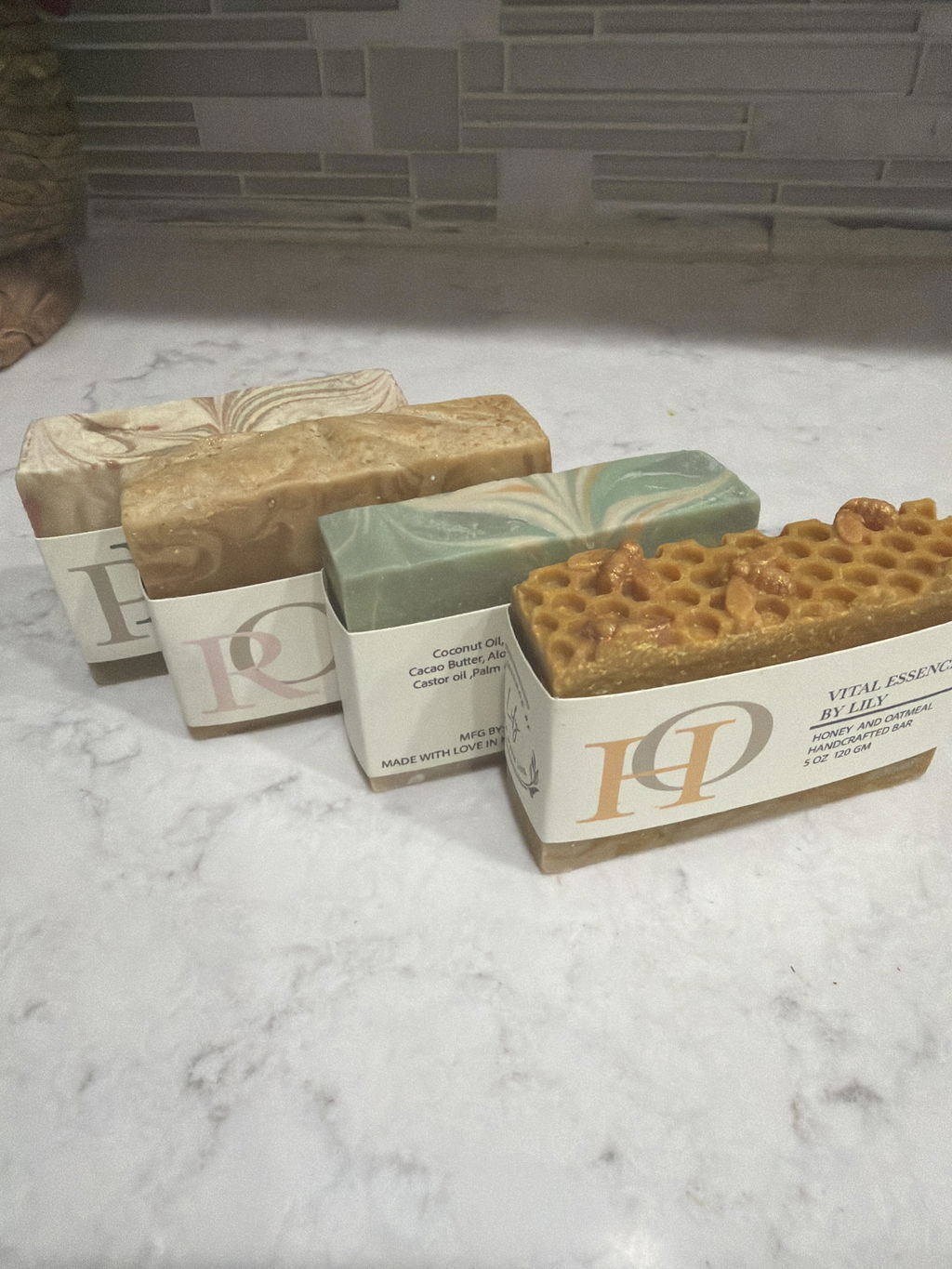
A bar of soap may sit quietly beside the sink, but what it leaves on your skin can shape an ordinary moment. The conversation around natural soap versus commercial soap is not simply about choosing a prettier bar or a more fragrant bottle. It is about understanding how a cleanser is made, what it is designed to do, and whether that daily ritual feels aligned with the care you want to give your skin.
For many people, the shift begins with a familiar feeling: hands that seem tight after washing, skin that feels stripped after a shower, or an ingredient label that reads more like a chemistry lesson than a personal care ritual. A thoughtfully made botanical bar offers another path - one rooted in traditional craft, earth-derived ingredients, and the simple pleasure of cleansing with intention.
Natural Soap Versus Commercial Soap: The Essential Difference
At its heart, true soap is made through saponification, the traditional process of combining oils or butters with an alkali. When carefully formulated and cured, this transformation creates a cleansing bar with naturally occurring glycerin, a substance valued for helping the skin hold onto moisture. The original oils are no longer present in exactly the same form, yet their fatty-acid profiles help determine whether the finished bar feels creamy, bubbly, firm, or especially cleansing.
Natural soaps commonly begin with ingredients such as olive oil, coconut oil, shea butter, cocoa butter, clays, botanicals, and essential oils. In a handcrafted small-batch bar, each ingredient has a purpose: a nourishing butter may contribute creaminess, a plant-based oil may create a silky lather, and a botanical may bring gentle color, texture, or a grounding sensory note.
Commercial soap can mean two different things. Some mass-market bars are true soaps made from fats and alkali, often with added fragrance, colorants, chelating agents, or preservatives to support consistency, shelf life, and a particular user experience. Others are cleansing bars made primarily with synthetic detergents, often called syndet bars. These can be formulated at a lower pH than traditional soap and may suit certain skin needs very well.
That distinction matters because “commercial” does not automatically mean harsh, and “natural” does not automatically mean perfect for every person. The better question is whether a formula, its ingredients, and its cleansing style are right for your skin and your values.
What You May Notice on Your Skin
A well-made natural bar often cleanses without the squeaky, overly stripped feeling some people associate with stronger detergents. Its naturally retained glycerin and carefully balanced blend of oils can make washing feel more comforting and less utilitarian. The lather may be creamy rather than dramatically foamy, and the aroma may feel softer and more nuanced than a heavily perfumed body wash.
Commercial cleansing products are often formulated for predictable performance at scale. They may deliver abundant foam, a long-lasting fragrance, a very firm bar, or a lotion-like slip. None of these qualities are inherently undesirable. A person who enjoys a rich foam or needs a fragrance-free syndet cleanser recommended for a specific skin concern may find a commercial option to be the best fit.
Traditional natural soap is alkaline, which is part of what makes it soap. For most people, a thoughtfully formulated bar used on the body can be a beautiful everyday choice. Yet facial skin, very dry skin, or skin managing conditions such as eczema may need a different approach. If your skin stings, develops persistent redness, or feels uncomfortably tight after cleansing, stop using the product and consider guidance from a dermatologist.
Gentle Is More Than a Marketing Word
The word “gentle” should be earned by the full formula, not assumed from a leaf on the package. Coconut oil, for example, creates a wonderfully bubbly and cleansing lather, but a bar made with too much of it can feel drying for some skin types. A maker can balance that cleansing power with more conditioning oils and butters, leaving the finished bar more comfortable to use.
Likewise, a natural ingredient can still be irritating for a particular person. Essential oils, citrus extracts, and even certain botanicals can trigger sensitivities. If you know your skin is reactive, seek unscented or lightly scented choices, read the full ingredient list, and patch test a new product before making it part of your daily ritual.
Reading the Label With More Confidence
You do not need to memorize every ingredient name to shop with discernment. Start by looking for clarity. A brand that tells you what is in its bar, why those ingredients were selected, and how the soap is made invites a more trusting relationship than one that relies on vague promises alone.
With a handmade botanical soap, you may see oils and butters listed in their original form, followed by sodium hydroxide. This can surprise first-time buyers, but sodium hydroxide is essential to the soapmaking process. When the recipe is correctly calculated and the soap is properly cured, it reacts with the oils to become soap. It is not the same as casually adding a harsh ingredient to a finished bar.
Be mindful of broad claims such as “chemical-free.” Everything, including water and botanical oils, is made of chemicals. A more useful standard is ingredient transparency. Look for a product that is honest about its formulation and avoids ingredients you personally prefer not to use, whether that means synthetic fragrance, artificial dyes, animal-derived ingredients, or unnecessary fillers.
A Few Questions Worth Asking
Before choosing a bar, consider what you want from the experience. Are you looking for a softly scented shower ritual, a simple unscented cleanser, or a thoughtful gift that feels special from the first unwrap? Do you prefer a bar made in small batches with recognizable botanical ingredients? Are you trying to reduce plastic bottles in your bathroom?
Your answers can guide the choice more effectively than a single label claim. A luxurious soap should be a pleasure to use, but it should also suit your real life, your skin, and your comfort level with fragrance.
Craft, Consistency, and the Value of Small Batches
Mass-produced soap is designed for efficiency and uniformity. There is value in that consistency: you generally know what to expect from one bar to the next. But large-scale production can also prioritize low cost, extended shelf life, and high-volume output over the artistry of a more ingredient-led formulation.
Handcrafted soap brings a different kind of value. It is made in smaller quantities, watched through the curing process, and shaped by a maker’s understanding of how oils, butters, clays, and aromas work together. Slight variations in color or surface texture are often part of that handmade character, not a flaw. They are evidence that a bar was crafted rather than stamped out as a commodity.
At Vital Essence by Lily, this traditional approach turns a necessary act into a small, grounding ceremony. A botanical bar can invite you to slow down for the length of a shower, breathe in a nature-inspired aroma, and let care feel tangible in your hands.
The Environmental Question Has More Than One Answer
Natural soap is often chosen by people seeking a lower-waste personal care routine, especially when it replaces a plastic body-wash bottle. A solid bar is compact, typically uses less packaging, and can be stored without a pump or cap. These are meaningful practical advantages.
Still, responsible shopping asks for nuance. Natural ingredients have their own environmental footprints, shaped by farming practices, sourcing, transportation, and processing. Palm-derived ingredients, for instance, call for careful attention to sourcing. Packaging matters, but so do ingredient origins, manufacturing methods, and how long you are able to use a bar before it dissolves away.
To help any bar last longer, keep it dry between uses on a well-draining dish. This small habit protects your purchase and keeps the final sliver from becoming a soggy afterthought.
Choosing What Belongs in Your Daily Ritual
There is no need to treat natural soap and commercial cleansers as opposing sides in a purity test. A dermatologist-recommended syndet bar may be the wise choice for highly sensitive or compromised skin. A handcrafted natural soap may be the right choice when you want transparent ingredients, a traditional formula, and a sensorial moment that feels more personal than perfunctory.
Let your skin have a voice in the decision. Choose a bar with ingredients you understand, scent it only as strongly as your skin and senses enjoy, and give yourself permission to notice how you feel after a week of use. The most meaningful soap is not the one with the loudest promise. It is the one that makes a simple daily act feel like care.