A bar of soap can turn an ordinary shower into a small pause of care: warm water, a fragrant lather, and a moment that belongs only to you. Yet the choice on the soap dish matters more than it may seem. In the conversation around handmade soap vs store bought, the real question is not whether one bar is universally perfect. It is whether the ingredients, method, and feeling of a soap fit your skin and the kind of daily ritual you want to create.
Handmade Soap vs Store Bought: The Real Difference
Most handmade bar soaps begin with a traditional process called saponification. A maker combines oils or butters with an alkali, and over time those ingredients transform into soap. When thoughtfully formulated and properly cured, the finished bar cleanses while retaining naturally occurring glycerin, a humectant that helps draw moisture toward the skin.
Store-bought soap is a much broader category. Some commercial bars are true soaps made from oils, while many mass-market cleansing bars are formulated with synthetic detergents, often called syndets, plus stabilizers, hardeners, fragrance, colorants, and other ingredients designed for consistency, a long shelf life, and high-volume production. These products can be practical and accessible. But their formulas may feel different on the skin, especially for people who find certain detergents or fragrances drying.
The distinction is less about a pretty handmade label and more about transparency. A well-made artisan bar lets you see what is inside and why it was chosen. A commercial bar may also have a carefully developed formula, but its ingredient list is often built around scale, uniformity, and cost efficiency first.
The role of glycerin
Glycerin is one of the quiet beauties of traditional soapmaking. It is created naturally during saponification. In some large-scale soap production, glycerin may be removed for use in other products, then the bar is formulated with additives to achieve a particular texture or performance.
Handmade soapmakers typically leave this naturally occurring glycerin in the bar. Along with nourishing oils and butters, it can contribute to the comfortable, conditioned feel many people notice after washing. That does not make every handmade soap ideal for every complexion, but it explains why the experience can feel more gentle and luxurious.
Ingredients tell a fuller story
A handmade botanical soap may be crafted with olive oil, coconut oil, shea butter, cocoa butter, clays, oats, herbs, and essential oils or natural fragrance blends. Each choice has a purpose, from creamy lather and bar hardness to scent and sensory character. The formula can feel like a thoughtful composition rather than a generic commodity.
Store-bought bars may include some wonderful ingredients too. The key is to read the full label rather than assuming that words such as natural, gentle, or moisturizing tell the whole story. A short ingredient list is not automatically superior, and a longer list is not automatically harmful. What matters is whether you understand the formula, tolerate it well, and feel comfortable using it every day.
Why Handmade Soap Feels Different
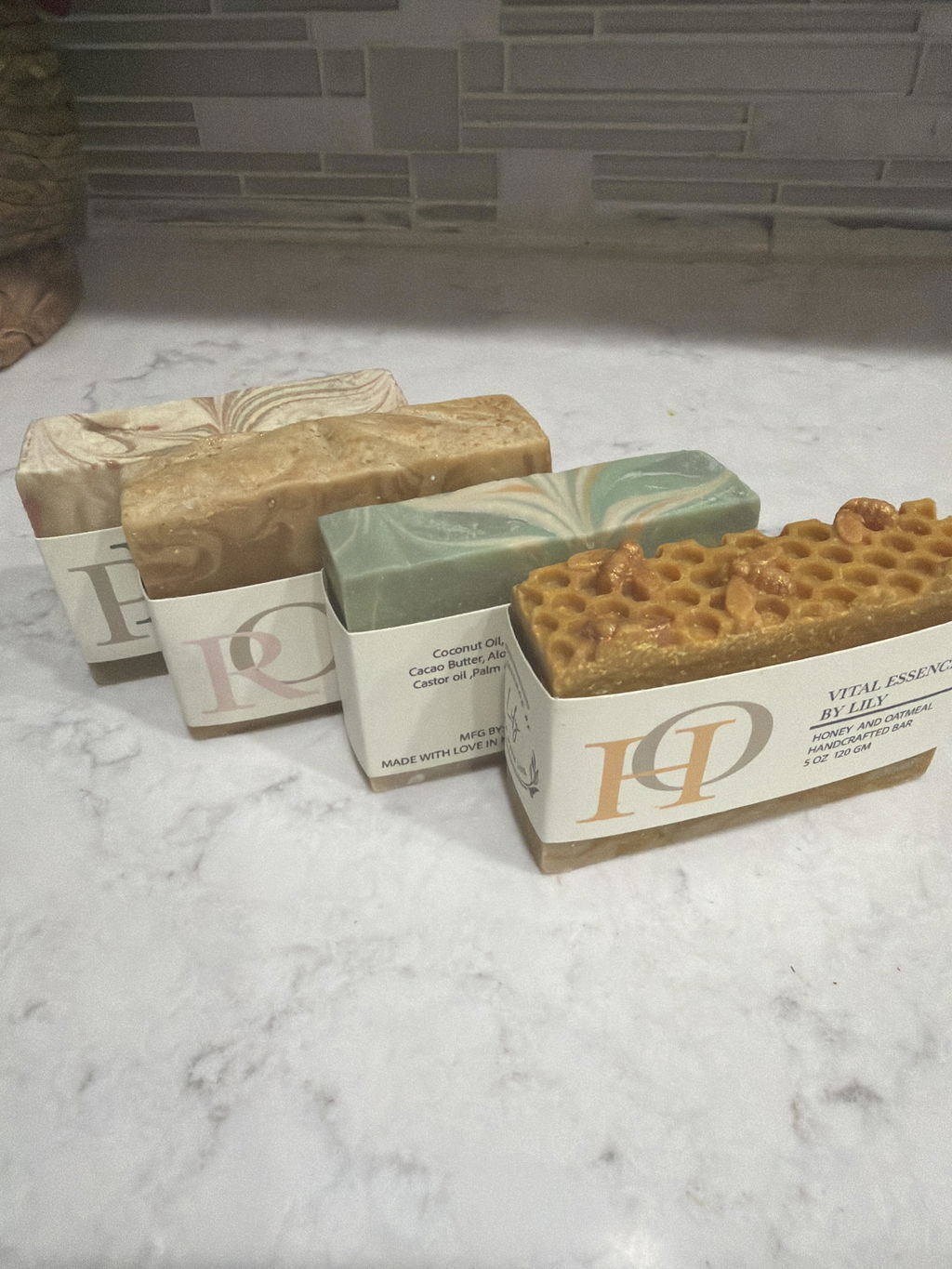
Handcrafted soap is not just about what it leaves out. It is also about what it preserves: the character of the oils, the artistry of the pour, and the subtle variations that come from making in small batches. No two artisan bars are entirely identical, and that is part of their charm. A swirl may shift slightly, botanicals may settle differently, and a seasonal scent may be available only for a limited time.
For many people, this individuality turns handwashing or bathing into an elevated ritual. A bar scented with lavender, citrus, warm spice, or fresh herbs can set the tone for a morning reset or a slower evening wind-down. The sensory experience is meaningful, especially when it is grounded in ingredients chosen with care rather than designed simply to create a stronger fragrance cloud.
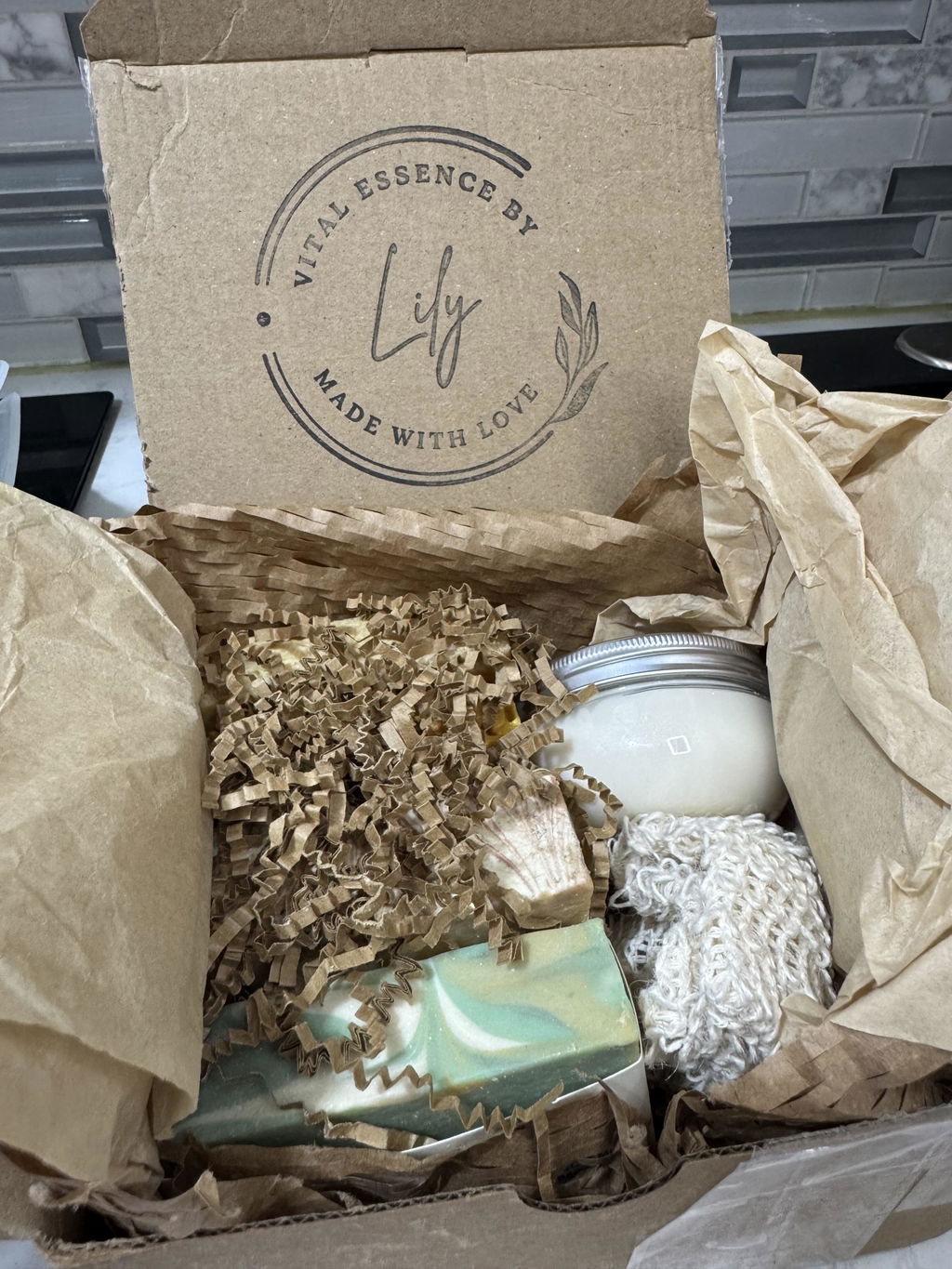
At Vital Essence by Lily, that philosophy is central: soap is crafted as a luxurious embrace of nature’s finest ingredients, made to bring a little more intention to the everyday.
The Skin Question: Gentle Is Personal
It is tempting to say that handmade soap is always better for sensitive skin. The truth is more personal. Traditional soap is naturally alkaline, and some people with very reactive, dry, or eczema-prone skin may prefer a fragrance-free cleanser formulated at a lower pH. Others find that a simple, well-cured handmade bar made with nourishing oils feels far more comfortable than the detergent-based bars they used before.
Fragrance deserves special attention. Essential oils, botanical extracts, and natural fragrances can be beautiful, but natural does not mean allergy-proof. If your skin is sensitive, choose an unscented or minimally scented bar, patch test first, and introduce one new product at a time. Anyone managing a diagnosed skin condition should follow guidance from a qualified medical professional.
The same care applies to commercial products. A fragrance-free store-bought cleanser may be the wiser choice for one person, while an artisan oatmeal and shea butter bar may become another person’s favorite. Your skin’s response matters more than marketing claims.
Price, Longevity, and Everyday Value
A handmade bar often costs more at checkout than a conventional supermarket bar. That difference reflects small-batch labor, quality oils and butters, responsible sourcing, curing time, and the attention of a real maker. It is not only the cost of ingredients. It is the cost of creating something with patience.
Still, value is not the same as a higher price tag. A handmade bar that sits in pooled water will soften quickly, while a bar stored on a well-draining dish can last surprisingly well. Allowing it to dry between uses protects the bar and makes every purchase go further.
Store-bought soap wins easily on convenience and immediate availability. It can be a sensible choice for a guest bathroom, travel, a tight budget, or a household that goes through soap quickly. Handmade soap becomes especially worthwhile when you want ingredient awareness, a more considered sensory experience, and a product that feels aligned with your values.
Looking Beyond the Wrapper
Soap is a small purchase, but it can reflect larger habits. Handmade bars often arrive with less plastic than liquid cleansers and are commonly wrapped in paper or minimal packaging. Small-batch makers can also offer a closer connection to the people and process behind the product.
That said, handmade does not automatically mean low-impact. Shipping distance, packaging materials, palm oil sourcing, and ingredient cultivation all matter. Likewise, a large company may make meaningful efforts in recyclable packaging, responsible sourcing, or cruelty-free practices. The most mindful choice comes from looking at the whole picture rather than relying on a single claim.
When comparing options, consider whether the brand shares its ingredients clearly, makes cruelty-free commitments, and speaks honestly about how its products are made. Transparency is a form of care.
How to Choose the Right Bar for You
Start with how your skin feels after washing. If it feels tight, itchy, or stripped, your current cleanser may not be serving you well. Look for a bar with a clear ingredient list and a formula suited to your preferences, whether that means fragrance-free simplicity, creamy butters, exfoliating oats, or a bright botanical scent.
Think about the moment you want your soap to create, too. A practical bar can clean your hands. A carefully crafted bar can make that same act feel grounding. There is room for both in a home, and there is no need to replace everything at once. Try one handmade bar, use it consistently, and let your own experience guide you.
The bar on your sink may be small, but it meets your hands every day. Choose one that makes that everyday moment feel a little more cared for.