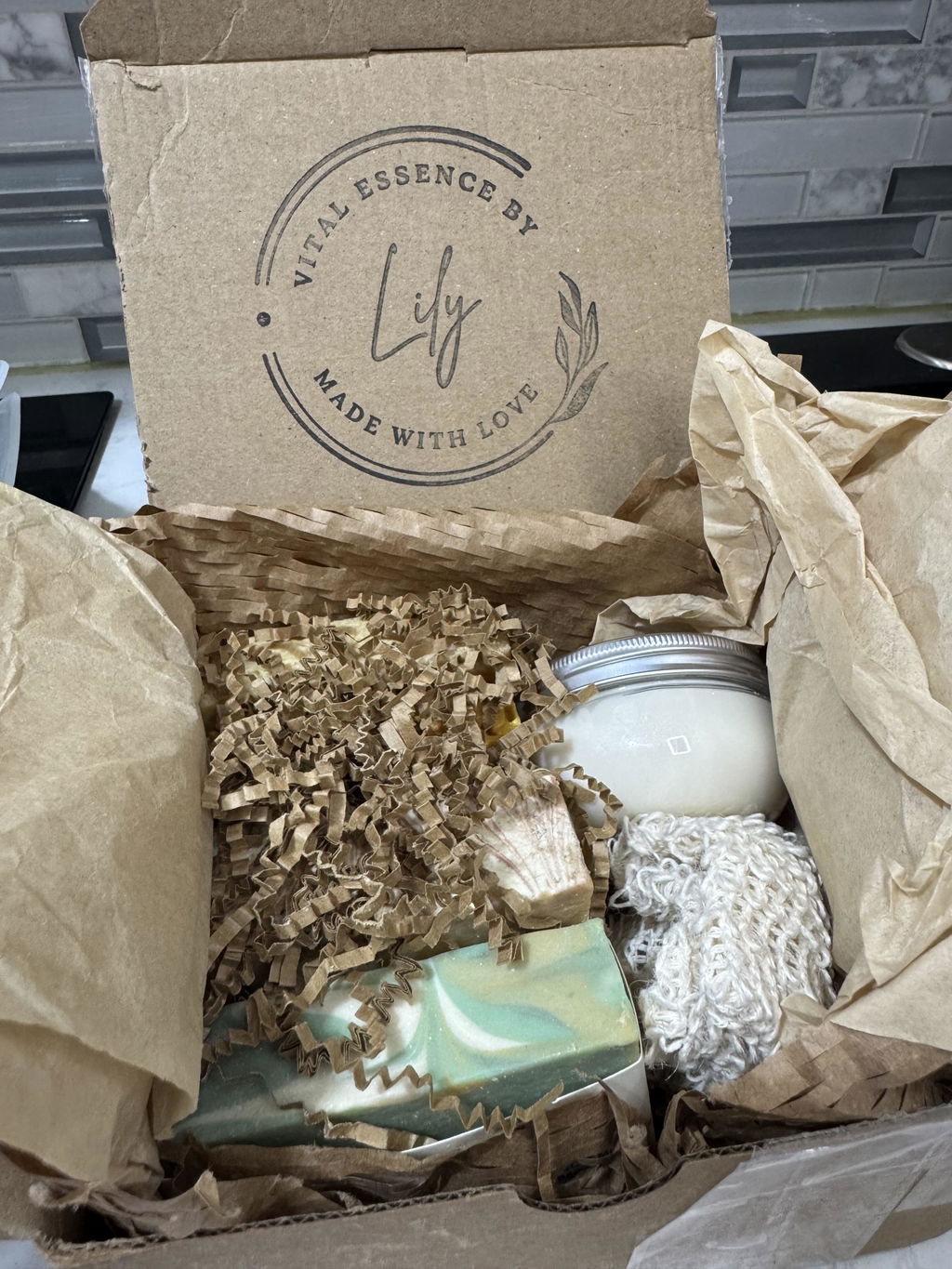
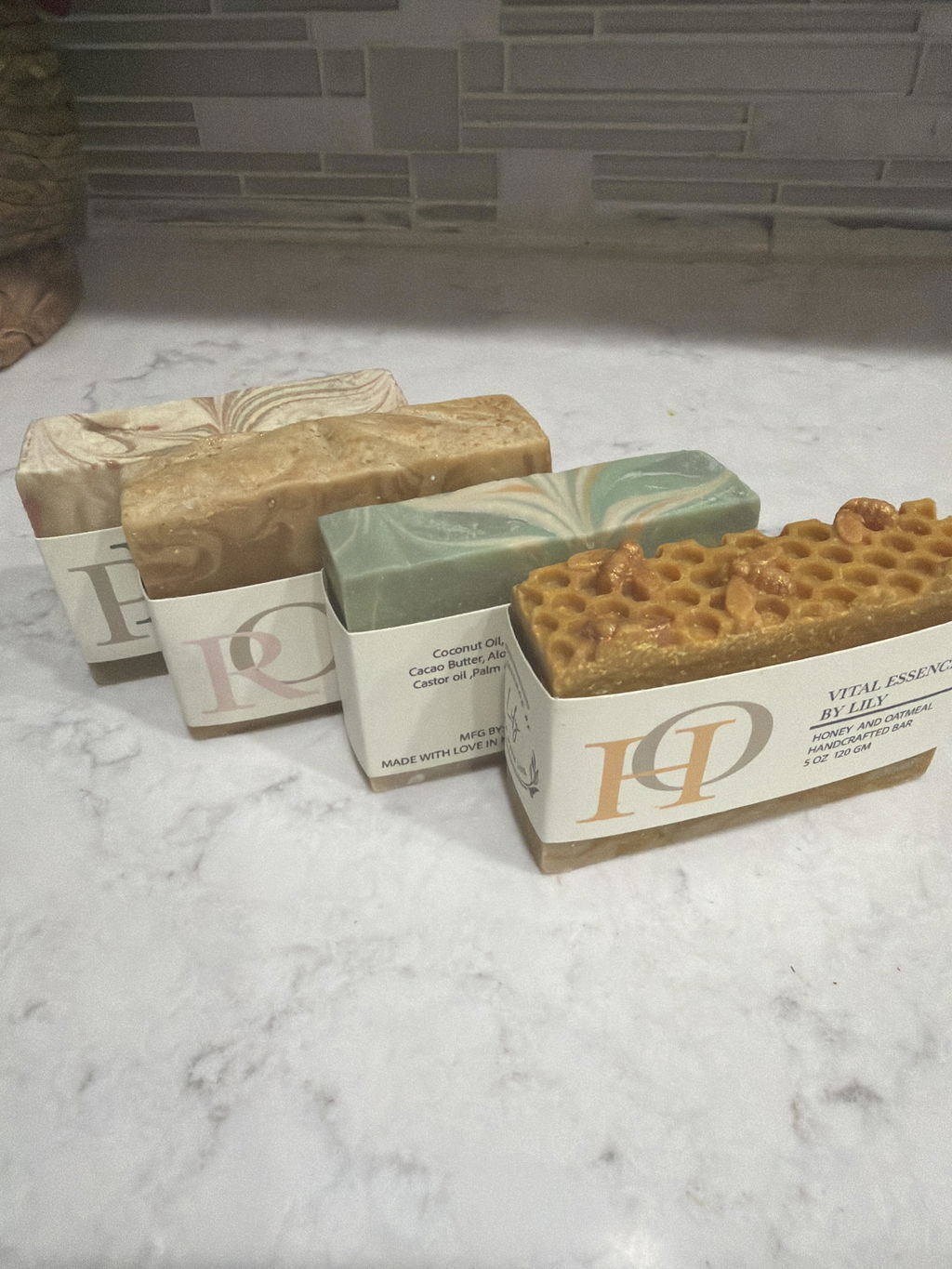
A beautiful bar of soap can scent the room, soften the look of a sink, and make an ordinary shower feel a little more intentional. Yet the most meaningful details are often printed in the smallest type. Learning how to read soap ingredient labels gives you a clearer view of what touches your skin each day - and helps you choose a bar that reflects your values, comfort, and care.
You do not need a chemistry degree or a perfectly pristine ingredient list. You only need a few practical cues: what kind of product you are holding, how ingredients are named, and whether the maker is open about what is inside.
Start by asking: Is it true soap or a cleansing bar?
Not every bar sold in the soap aisle is made in the same way. Traditional bar soap is created through saponification, the time-honored process in which oils or butters react with an alkali to become soap. A cleansing bar, sometimes called a syndet bar, is typically made with synthetic detergents or surfactants formulated to cleanse in bar form.
Neither category is automatically right or wrong. A well-formulated cleansing bar may suit someone who prefers a lower-pH product, while a thoughtfully made soap bar offers the simple beauty of transformed plant oils, butters, and botanicals. The key is knowing which experience you want.
Look for language such as “saponified oils,” “cold process,” or “made with olive oil, coconut oil, and shea butter.” On the ingredient panel, traditional soap may list ingredients in a few different, equally valid ways: “sodium olivate” and “sodium cocoate,” the formal names for olive- and coconut-oil soap; “saponified olive oil”; or the original oils alongside sodium hydroxide.
Sodium hydroxide can sound alarming at first glance, but it is essential to the soapmaking process. When a recipe is properly made and fully cured, it reacts with the oils to create soap and glycerin. It is not the same as pouring a harsh chemical onto the skin. A transparent maker should be comfortable explaining this craft rather than relying on fear-based language.
How to read soap ingredient labels from top to bottom
Ingredients are generally listed in descending order by weight at the time they are added to the formula. That means the first few ingredients tell the clearest story about the bar’s foundation.
For a handcrafted soap, you may see oils and butters such as olive, coconut, avocado, sunflower, castor, cocoa butter, or shea butter. Each has a role. Coconut oil contributes cleansing power and a firm lather. Olive oil is cherished for its gentle, conditioning character. Castor oil can support creamy bubbles, while shea butter and cocoa butter bring a richer, more indulgent feel.
There is no single “best” oil. A bar made mostly with coconut oil may feel too cleansing for one person and work beautifully for another with very oily skin. A high-olive-oil bar may feel especially mild but produce a quieter lather. Reading the label is less about finding a perfect ingredient and more about recognizing a formulation with a clear purpose.
Water is also normal in traditional soap. It begins the saponification process and gradually evaporates during curing. Glycerin may be listed or may naturally remain in handcrafted soap as a treasured byproduct of saponification. Unlike many commercial processes that remove glycerin for use elsewhere, small-batch soapmakers often allow it to stay in the finished bar.
Learn the two languages of soap labels
A label may use the common botanical name, an International Nomenclature of Cosmetic Ingredients name, or both. “Olea europaea fruit oil” is olive oil. “Butyrospermum parkii butter” is shea butter. “Ricinus communis seed oil” is castor oil.
These names can look clinical, but they often describe very familiar earth-derived ingredients. When a label includes the everyday name in parentheses, it offers a welcome bridge between regulatory clarity and shopper confidence. If a term is unfamiliar, pause before assuming it is undesirable. Context matters.
Pay attention to fragrance, essential oils, and color
Scent is one of the quiet luxuries of a bar soap, whether it is a soft lavender note before bed or a bright citrus lift in the morning. It is also an area where transparency matters most.
“Fragrance” can refer to a proprietary blend, and the word alone does not tell you whether its components are naturally derived, synthetic, or a combination. Some people are comfortable with fragrance blends; others, especially those with sensitivities, prefer a label that identifies the scent source more specifically. If a brand says “essential oil blend,” look for the individual oils when possible, such as lavender, sweet orange, eucalyptus, or cedarwood.
Natural does not automatically mean irritation-free. Essential oils and botanical extracts can be wonderfully aromatic, yet they may not suit every skin type. If your skin is reactive, a simple unscented bar is often the kindest place to begin. Patch testing is wise whenever you are trying a new product, particularly if you have known allergies or a skin condition.
Color can come from clays, mineral pigments, herbs, seeds, botanicals, or approved cosmetic colorants. A swirl of rose clay or a dusting of charcoal can be part of a bar’s sensory story, but color does not determine quality. Let it be a pleasure, not the reason you overlook the rest of the formula.
Read claims with a calm, discerning eye
Words such as “natural,” “clean,” “non-toxic,” and “pure” can express a brand’s philosophy, but they do not all have one universal legal definition. The ingredient list is where a claim becomes more meaningful.
A maker who values ingredient integrity will usually make it easy to understand the formula, explain its process, and share whether the bar contains animal-derived ingredients, palm oil, synthetic fragrance, or colorants. Cruelty-free claims speak to how products and ingredients are developed and tested; vegan claims address the absence of animal-derived ingredients. They are related values, but they are not interchangeable.
Be wary of labels that lean heavily on “free-from” promises while offering little detail about what the bar does contain. A short ingredient list is not automatically superior, and a longer one is not automatically suspect. What matters is whether each ingredient has a clear role and whether the brand communicates with honesty.
A few questions worth asking before you buy
When a label leaves you uncertain, use these questions as a gentle filter:
- Is this traditional soap, or a detergent-based cleansing bar?
- Are the main oils, butters, scent ingredients, and color sources clearly identified?
- Does the formula suit my preferences, including fragrance sensitivity or vegan needs?
- Does the maker explain its process with care instead of making exaggerated skin claims?
Let the label lead you toward a more intentional ritual
The finest ingredient label does not need to be dramatic. It simply tells the truth about the bar in your hand: the oils chosen for its lather, the botanicals chosen for its character, and the care taken in its making.
At Vital Essence by Lily, that spirit begins with 100% natural ingredients and the traditional art of small-batch saponification. But wherever you shop, choose the bar that feels clear, considered, and suited to your skin rather than chasing a trend or a flawless-sounding claim.
Next time you unwrap a new bar, take a moment to read before the water runs. That small pause can turn cleansing into a more personal ritual - one shaped by knowledge, nature, and the simple pleasure of choosing with care.