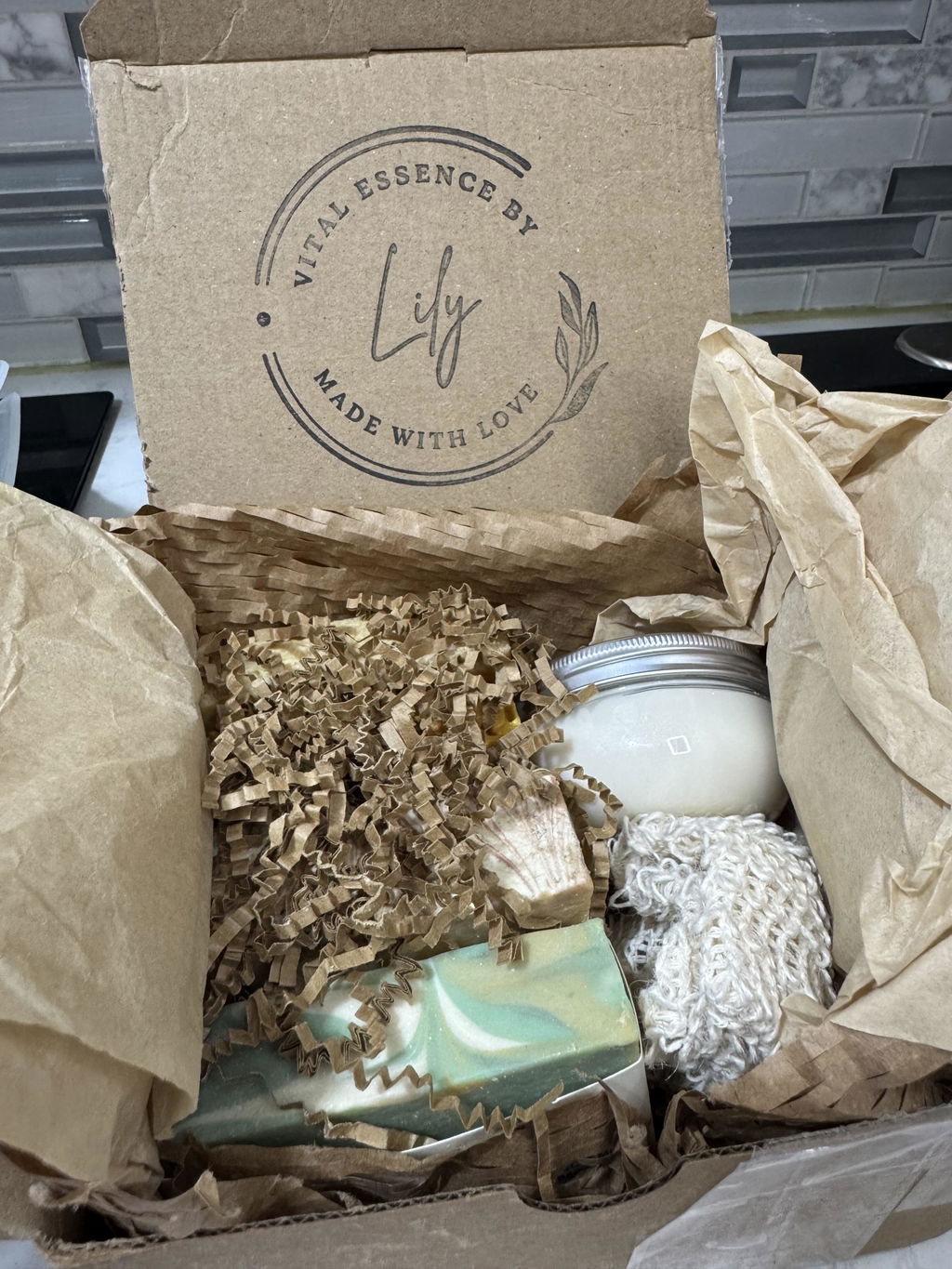
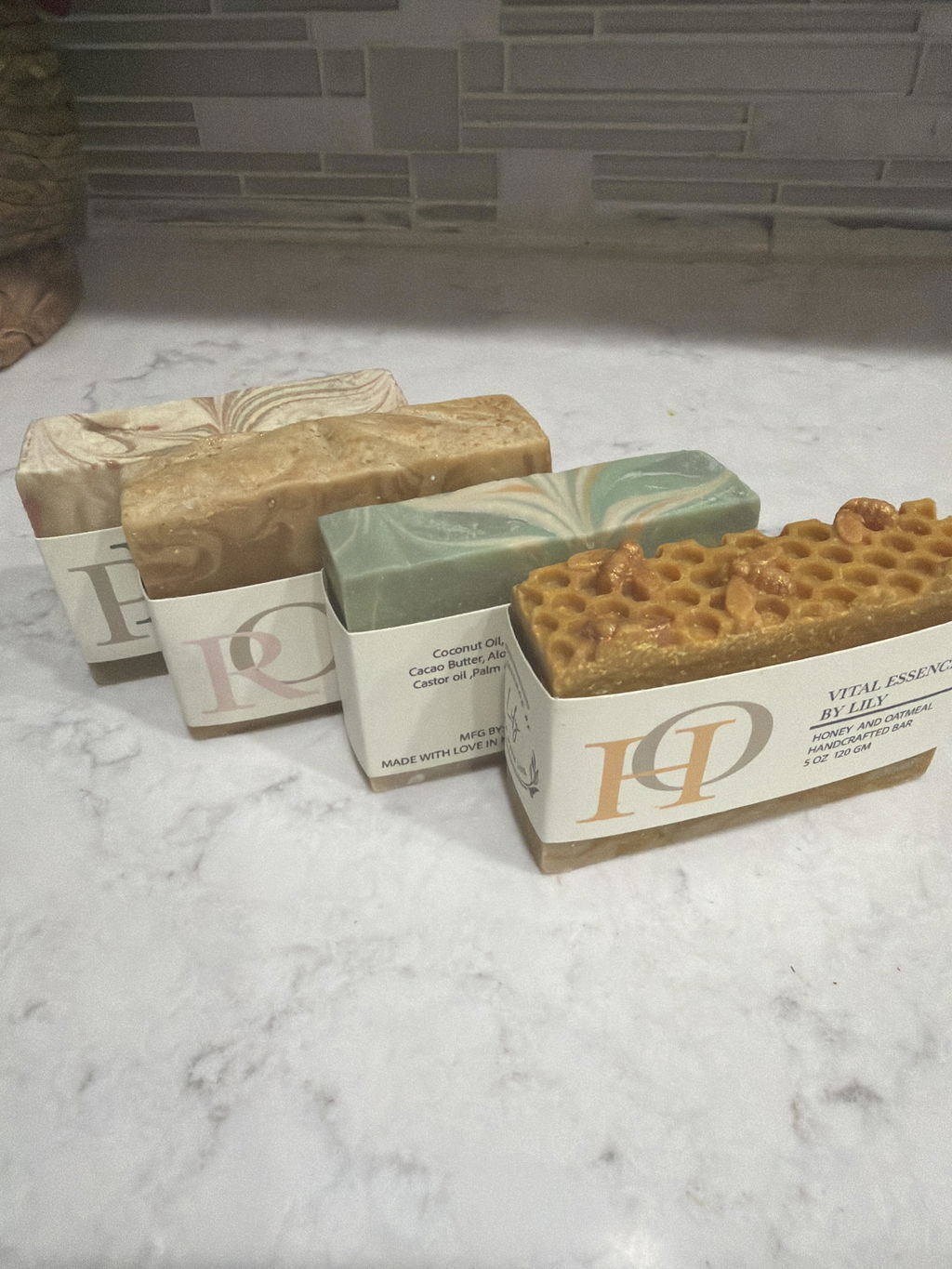
If you have ever picked up a handmade bar and wondered why one soap feels deeply nourishing while another looks bright, playful, and perfectly uniform, the answer often starts with cold process vs melt and pour. These two soapmaking methods can produce beautiful bars, but they are not the same in how they are made, what goes into them, or how they fit into a more intentional skincare ritual.
For anyone choosing soap with care, this distinction matters. A bar is not just a bar when it touches your skin every day. The method behind it shapes the ingredients, the sensory experience, and the level of craftsmanship you are bringing into your home.
Cold Process vs Melt and Pour: The Core Difference
Cold process soap is made from scratch through traditional saponification. Oils and butters are combined with a lye solution, and over time that chemical reaction transforms those raw ingredients into true soap. The maker chooses each oil, each botanical addition, and each aromatic note with intention. After the soap is poured into a mold, it must cure, often for several weeks, to become a finished bar.
Melt and pour soap begins with a pre-made soap base. That base has already gone through saponification before it reaches the maker. To create a finished bar, the base is melted down, then colorants, fragrance, and extra ingredients may be added before it is poured into molds and allowed to harden.
So the simplest difference is this: cold process is created fully from raw oils and alkali by the soapmaker, while melt and pour is customized from an already finished base. Both have a place, but they serve different goals.
Why the Method Matters to Ingredient-Conscious Shoppers
If you are reading labels because you want fewer synthetic ingredients, more plant-based nourishment, and a bar that feels like skincare rather than a generic cleanser, the process matters more than it may seem at first glance.
With cold process soap, the maker has fuller control over the formula. They can select skin-loving oils like olive, coconut, shea butter, avocado oil, or castor oil based on the experience they want the bar to offer. They can balance cleansing with creaminess, hardness with conditioning, and simplicity with botanical richness. This is part of what makes artisan soap feel so personal.
Melt and pour can be lovely and creative, but the starting point is a manufactured base. Some bases are gentler and more thoughtfully made than others, yet the maker is still working within a formula they did not build from the ground up. For shoppers who care deeply about ingredient integrity, that difference can be significant.
How Cold Process Soap Feels on Skin
A well-made cold process bar often has a creamy, cushioned lather and a more grounded, natural skin feel. One reason is naturally retained glycerin, a humectant created during saponification that helps attract moisture. In handmade cold process soap, that glycerin remains in the bar.
There is also the matter of superfatting, which means a small portion of the oils is left unsaponified by design. This can contribute to a softer, more nourishing cleanse, especially when the formula is built with gentle, high-quality oils and butters.
That does not mean every cold process soap will feel perfect for every person. Skin is personal. A coconut-heavy formula may feel too cleansing for someone with very dry skin, while another person may love the bubbly lather it creates. The beauty of cold process is that the formula itself can be intentionally shaped.
What Melt and Pour Does Well
Melt and pour soap has strengths, and they are worth naming honestly. It is accessible, efficient, and visually flexible. It allows for detailed designs, bright layers, embeds, and decorative finishes that would be harder to achieve in cold process. It also does not require the maker to handle lye during production, which makes it appealing for hobbyists and beginners.
Because the base is already made, melt and pour bars are ready much faster. There is no long cure time, and that convenience matters in some settings. If the priority is appearance, speed, or playful customization, melt and pour can be a good fit.
Still, shoppers looking for a bar rooted in traditional craft and natural formulation often find themselves drawn back to cold process. There is a different kind of intimacy in a soap that began with raw oils, careful measurements, and patience.
Cold Process vs Melt and Pour for Natural Soap Lovers
When people search cold process vs melt and pour for natural skincare, they are usually asking a deeper question: which one aligns better with a slower, more mindful way of caring for the body?
In many cases, cold process is the closer match. It supports an ingredient-first approach. It invites botanical infusions, mineral clays, plant powders, and essential oils into a formula that feels rooted in nature rather than built around a generic base. It also reflects the old-world art of soapmaking, where each bar carries the maker’s decisions from start to finish.
Melt and pour is not automatically poor quality, and some bases are marketed as natural. But a natural label can still leave room for added solvents, stabilizers, or other processing aids that help the base melt cleanly and remain shelf-stable. That does not make the product wrong. It simply means the ingredient story may be more complex than the packaging suggests.
For customers who want a handcrafted bar that feels deeply aligned with purity, simplicity, and botanical care, cold process usually offers a clearer path.
Craftsmanship You Can Feel
There is something special about using soap that was never rushed. Cold process asks for patience at every stage. Oils are selected with purpose. Temperatures are watched closely. Trace is reached by hand. The loaf is poured, insulated, cut, and then cured over time until the bar becomes milder, harder, and more complete.
That slower rhythm creates more than soap. It creates character. Slight variations in color, texture, and swirl are not flaws. They are signs that a human being made this bar in small batches, not a factory line pushing out sameness.
For a brand like Vital Essence by Lily, this is part of the heart behind the product. Soap becomes an everyday ritual shaped by nature, skill, and care, not just something to get through in the shower.
Which One Lasts Longer?
This depends on formula and use, but cold process bars that have cured properly are often harder and longer-lasting than melt and pour bars. Cure time allows excess water to evaporate, which can create a firmer bar that stands up better with daily use.
Melt and pour soap can sometimes soften or sweat in humid environments because of its glycerin-rich base and formulation. It may dissolve more quickly if left in standing water. A good soap dish helps both types, but longevity often leans in favor of well-crafted cold process.
That said, not all cold process bars are equal. A very soft recipe or a freshly made bar that has not cured long enough may wear down fast. Method matters, but formulation and storage matter too.
Choosing the Right Soap for Your Routine
If you love bold colors, novelty shapes, and decorative bars for party favors or seasonal gifts, melt and pour may be perfectly suited to what you want. It offers charm and convenience.
If you care most about botanical ingredients, traditional methods, and a cleanser that feels more nourishing and intentional on skin, cold process is often the stronger choice. It tends to resonate with shoppers who read ingredient lists, avoid harsh detergents, and want their daily essentials to feel closer to nature.
There is also room for personal preference. Some people enjoy both. They might choose melt and pour for visual fun and cold process for their everyday bath ritual. The real question is not which method is universally better. It is which one reflects what you value most.
For many natural skincare shoppers, the answer comes back to trust. Trust in the ingredients. Trust in the process. Trust in the hands that made the bar.
When soap is crafted with intention, it turns a small daily habit into a gentler experience. And if your skin has been asking for something quieter, simpler, and more honest, cold process may feel like coming back to what soap was always meant to be.