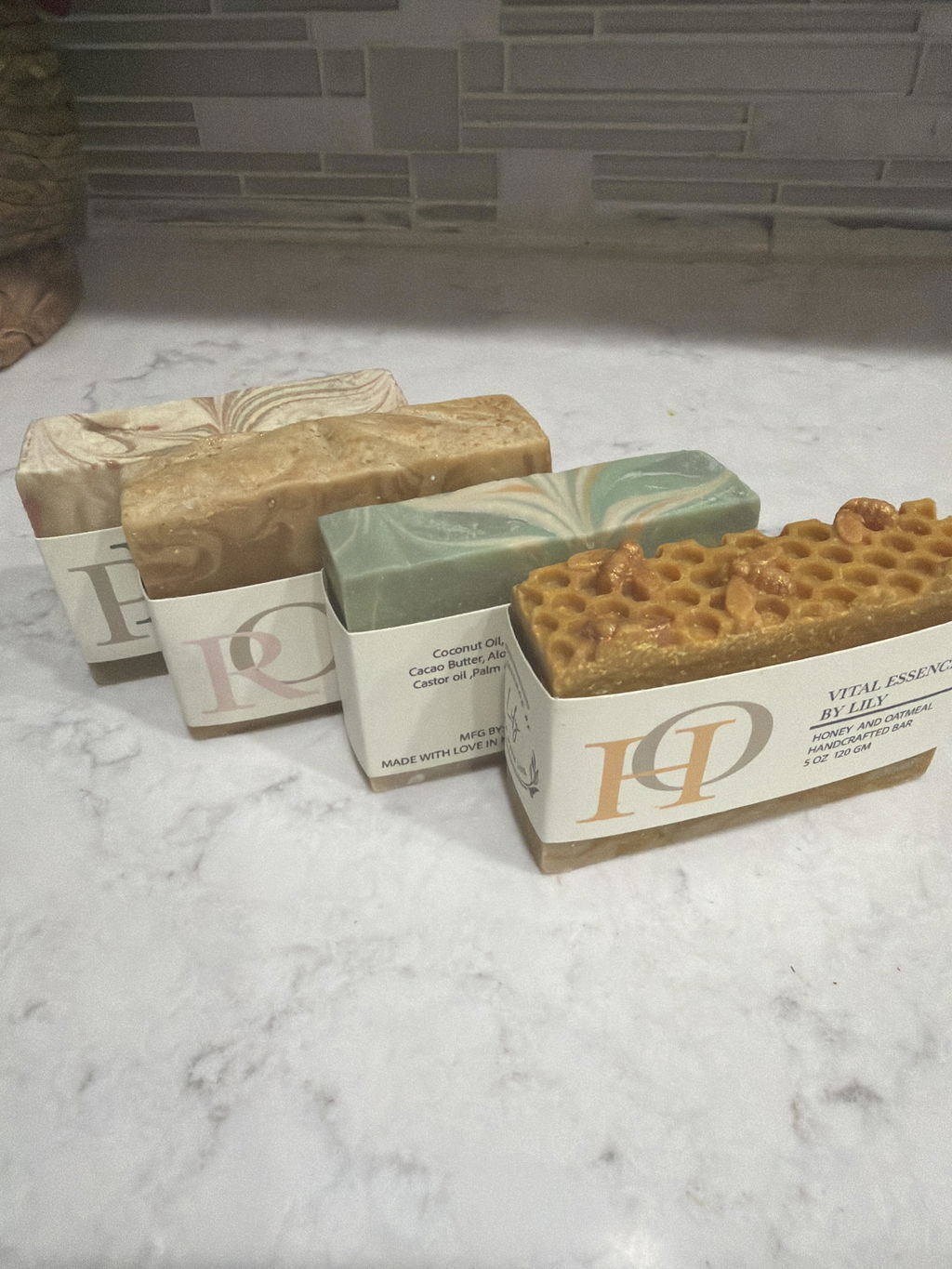
A bar that leaves your hands feeling tight, squeaky, or thirsty can make anyone wonder: does bar soap dry out skin? Sometimes, yes. But the bar itself is not automatically the problem. The real answer lives in the formula, the way it is made, the condition of your skin, and the small habits surrounding your daily wash.
Not all cleansing is created with the same intention. A thoughtfully crafted botanical bar can turn an ordinary shower into a quiet ritual, while a harsh cleanser can leave skin asking for comfort before the towel is even dry.
Does Bar Soap Dry Out Skin? It Depends on the Formula
Soap has one essential job: to lift away oil, sweat, sunscreen, and the everyday debris that settles on skin. To do that, it interacts with the natural oils that form part of your skin barrier. Those oils are not something to fear or scrub away completely. They help hold moisture in and protect skin from the outside world.
When a cleanser removes too much of that protective oil, skin may feel dry, rough, itchy, or unusually tight. For some people, this happens after a single wash. For others, it builds slowly, especially during cold weather, after long hot showers, or when skin is already sensitive.
The important distinction is that “bar soap” is a category, not one single type of product. Many conventional cleansing bars are made with strong detergents, fragrance blends, colorants, and other ingredients selected for a dramatic lather, a long shelf life, or a very low price point. A bar may look simple on the sink, yet its ingredient list can tell a very different story.
Traditional soap, on the other hand, is made through saponification - the time-honored process of transforming oils and butters into soap. In a carefully balanced handcrafted formula, some of the nourishing qualities of the original oils can remain part of the finished bar. The experience is often creamier, gentler, and far more considered than the sharp, stripped-clean feeling many people associate with soap.
Why Skin Can Feel Tight After Washing
That tight feeling is often mistaken for cleanliness. In reality, skin does not need to feel squeaky to be clean. A squeaky sensation can be a sign that too much surface oil has been removed, leaving the skin barrier less comfortable and more vulnerable to moisture loss.
Several factors can make this more likely. Very hot water softens and removes skin oils more readily than warm water. Staying in the shower for a long time gives any cleanser more opportunity to do its work. Scrubbing with rough washcloths, exfoliating gloves, or loofahs can add friction to skin that is already becoming dry.
Your skin type matters too. Someone with naturally oilier skin may enjoy a brisk, deeply cleansing bar on the body. Someone with dry, mature, eczema-prone, or reactive skin may need a more gentle approach, especially on the face. What feels beautifully refreshing for one person can feel uncomfortable for another.
Season and environment deserve a place in the conversation as well. Indoor heat, winter air, low humidity, and frequent handwashing can leave skin with less room for error. A bar that works perfectly in July may feel too cleansing in January. Listening to your skin is more useful than following a rigid rule about whether all bar soap is good or bad.
The Difference Between Soap and Detergent Bars
The word “soap” is often used for nearly every solid cleansing bar, but true soap and detergent-based bars are not identical. Traditional soap is generally created from fats or plant oils combined with an alkali. Detergent bars, sometimes called syndet bars, use synthetic cleansing agents that can be formulated in different ways.
Neither format is universally better for every person. Some syndet bars are specifically designed for very sensitive skin and can be an excellent choice. Yet many mass-produced bars rely on strong cleansing systems and added fragrance that may not suit dry or easily irritated skin.
A handcrafted soap bar asks a different question: what belongs in a daily ritual that touches your skin? Rather than treating cleansing as a quick, impersonal task, it can honor the beauty of simple oils, botanical ingredients, and slow, intentional making. At Vital Essence by Lily, that traditional craft is part of the care - small-batch bars made to bring nature’s finest ingredients into the everyday moments that restore us.
Ingredients That Can Make a Bar Feel More Nourishing
There is no single magic ingredient that guarantees a bar will feel gentle. The full formula, how it is balanced, and how your skin responds all matter. Still, certain plant oils and butters are often cherished in handcrafted soap for the character they bring to the finished bar.
Olive oil is valued for a mild, silky feel. Shea butter is loved for its rich, comforting quality. Coconut oil can create abundant lather and cleansing power, though a formula with too much of it may feel drying for some skin types. Castor oil is often used in smaller amounts to support a creamy, stable lather. Each ingredient plays a role, much like notes in a fragrance or colors in a garden.
A well-made bar is not necessarily one with the most ingredients. Often, simplicity is part of its beauty. A short, understandable ingredient list can make it easier to choose thoughtfully, particularly if your skin reacts to fragrance, essential oils, or specific botanical extracts.
Natural ingredients can be lovely, but natural does not automatically mean irritation-free. Essential oils and botanicals have their own aromatic personalities, and sensitive skin may prefer unscented or lightly scented options. If you know you react easily, introduce a new bar gradually and stop using it if you experience burning, persistent redness, swelling, or a rash.
The Role of Glycerin
Glycerin is a naturally occurring part of traditional soapmaking and is known as a humectant, meaning it helps attract water. In many handmade soaps, glycerin remains in the bar. This is one reason a thoughtfully made soap can feel more comfortable on the skin than a product designed primarily to cleanse as aggressively as possible.
That said, glycerin does not make a bar a moisturizer. Cleansing and moisturizing are different steps. Even the most beautifully formulated bar may be followed by body cream, body oil, or a simple fragrance-free moisturizer if your skin tends toward dryness.
A Gentler Way to Use Bar Soap
Sometimes the change your skin needs is not a new product, but a softer ritual. Use lukewarm rather than hot water. Lather the bar in your hands or on a soft cloth instead of rubbing it directly over skin again and again. Cleanse the areas that truly need it - hands, underarms, feet, and areas exposed to sweat or sunscreen - without overworking the rest of the body.
For the face, be especially selective. Facial skin is often more delicate than the skin on the body, and people with acne, rosacea, eczema, or a compromised skin barrier may do better with a cleanser recommended by a dermatologist. A botanical body bar can be a beautiful part of your bath routine without needing to be the answer for every inch of skin.
After bathing, pat skin dry rather than rubbing briskly. Apply moisturizer while skin is still slightly damp, ideally within a few minutes. This simple habit helps support the moisture your skin has just received from water rather than allowing it to evaporate away.
How to Tell Whether Your Bar Is Working for You
A good cleansing bar should leave skin feeling clean, comfortable, and calm. Your skin may feel soft after rinsing, not coated or greasy, but it should not feel painfully tight or look irritated. Pay attention to how it feels not only in the shower but also an hour later.
If dryness appears, consider the whole picture before blaming the bar alone. Have you been taking hotter showers? Using a new exfoliant? Washing your hands more often? Is the air drier than usual? Small changes can compound, and a more nurturing routine may be all that is needed.
If discomfort continues despite simplifying your routine, or if you have cracking, intense itching, rash, or persistent irritation, it is wise to speak with a dermatologist. Skin deserves both tenderness and informed care.
The most beautiful bath ritual is not about chasing a perfect lather or a squeaky-clean finish. It is about choosing what leaves your skin feeling respected - clean enough for the day, nourished enough to feel like yourself, and cared for in the simple pause of water, botanicals, and intention.