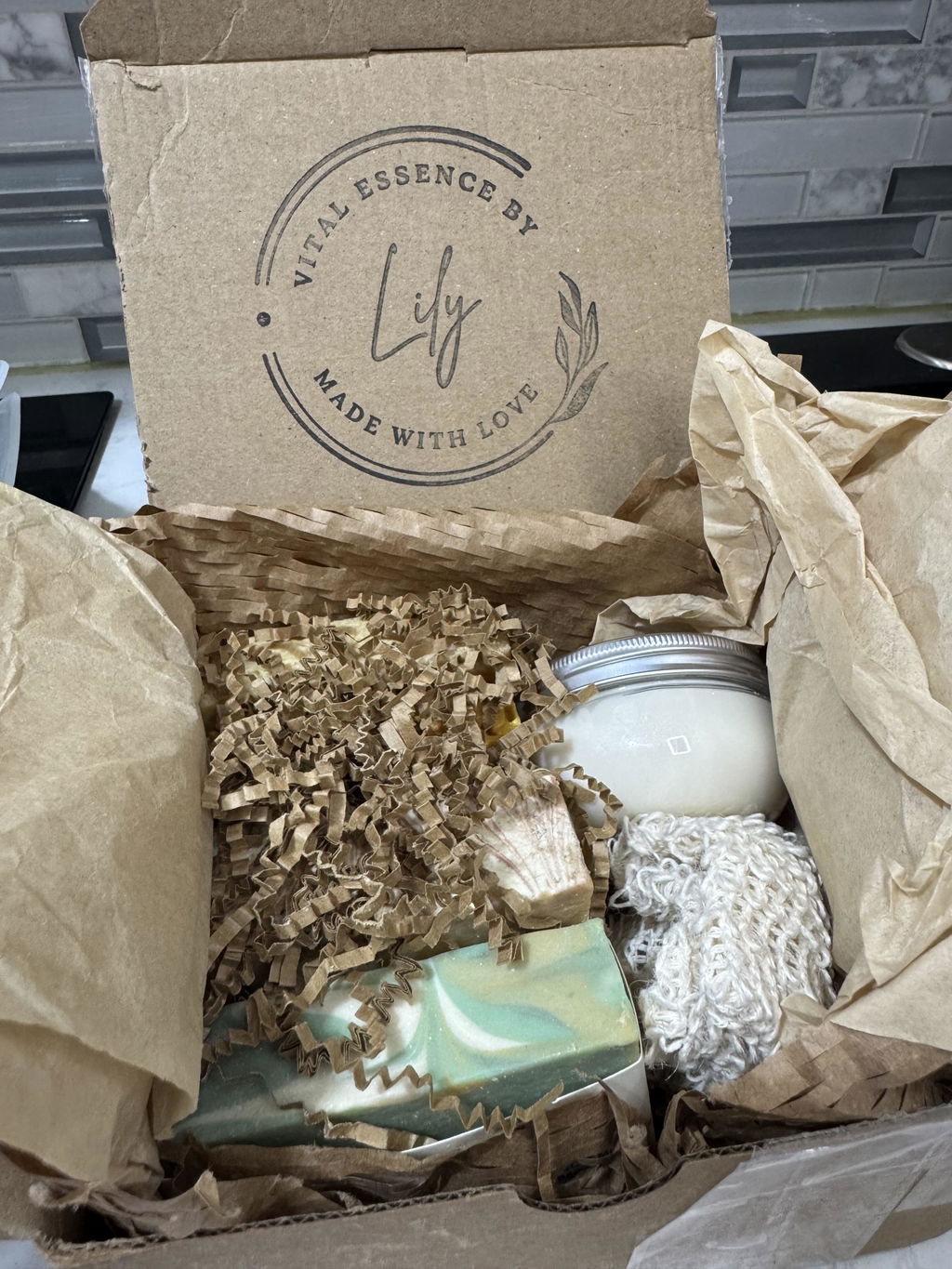
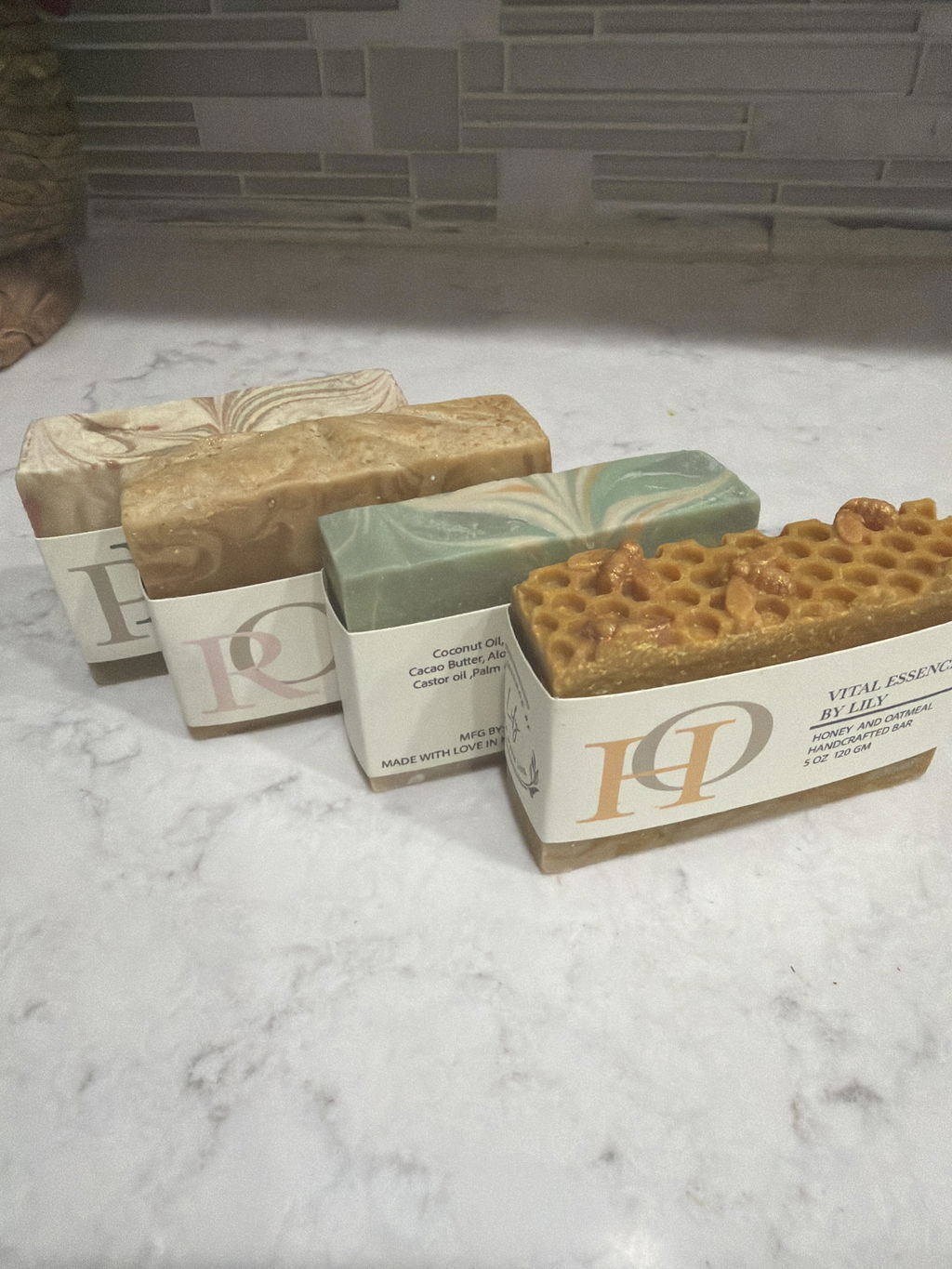
A bar of soap can look simple on the sink, yet what touches your skin for those few quiet moments each day matters more than most people realize. If you have ever wondered, is handmade soap better for skin, the honest answer is often yes - but not for every person, not in every formula, and not for every skin concern.
That nuance matters. Some handmade soaps are deeply nourishing, crafted with botanical oils, rich butters, and naturally occurring glycerin that helps skin feel soft and balanced after cleansing. Others may still contain essential oils, exfoliants, or ingredients that do not suit very reactive skin. The real difference lies in formulation, craftsmanship, and the intention behind the bar.
Is handmade soap better for skin than commercial soap?
In many cases, handmade soap is gentler and more skin-supportive than mass-produced cleansing bars. That is especially true when the handmade bar is made through traditional saponification and formulated with quality oils instead of relying on harsh detergent-based ingredients.
Many commercial bars are designed for scale, shelf stability, and a very specific user experience - lots of foam, uniform texture, and low production cost. There is nothing inherently wrong with efficiency, but skin can feel the trade-off. Some conventional bars strip away too much natural oil, leaving skin tight, dull, or uncomfortable after washing.
Handmade soap tends to take a different path. Small-batch makers often choose olive oil, coconut oil, shea butter, cocoa butter, castor oil, and other plant-based ingredients not only for cleansing, but for the way they leave skin feeling afterward. The goal is not simply to wash the skin. It is to cleanse while respecting the skin barrier.
That said, handmade is not automatically better just because it is handmade. A thoughtfully made bar can be beautiful for skin, while a poorly balanced one can still feel drying. The ingredient list and the maker’s philosophy matter.
What makes handmade soap feel different on skin?
The biggest difference is often glycerin. In traditional handmade soap, glycerin is a natural byproduct of saponification and usually remains in the bar. Glycerin is a humectant, which means it draws moisture toward the skin and helps support a softer feel after cleansing.
In many large-scale commercial processes, glycerin may be removed and used elsewhere in other beauty products. That can leave the finished cleansing bar more focused on function than nourishment. When people switch to handmade soap and say their skin feels less tight, less flaky, or simply more comfortable, glycerin is often part of that story.
The oil blend also changes the experience. Olive oil contributes a creamy, conditioning lather. Shea butter can add a more cushioned, comforting feel. Coconut oil brings cleansing power and bubbly lather, though too much of it can be drying for some skin types. A well-crafted handmade soap balances these qualities rather than chasing foam alone.
Then there is the sensory side, which should not be dismissed as fluff. Texture, aroma, and the ritual of using a thoughtfully crafted bar can turn cleansing from a rushed chore into a grounding pause. When a product is made with intention, you feel it.
Why some skin types respond better to handmade soap
Dry skin often does well with handmade soap because the bar can be formulated with richer oils and butters that cleanse without leaving the skin depleted. If your skin tends to feel papery, itchy, or rough after a shower, a milder handmade bar may feel like a clear upgrade.
Sensitive skin can also benefit, especially when the formula is simple and free from synthetic fragrance, aggressive detergents, and unnecessary fillers. For many people, fewer ingredients and more recognizable ingredients lead to fewer surprises.
Normal skin usually adapts easily and may simply feel more balanced with handmade soap. Instead of that squeaky-clean sensation that often signals over-cleansing, the skin may feel clean, calm, and naturally comfortable.
Acne-prone skin is more complicated. Gentle cleansing is helpful, but soap alone is not a cure for breakouts. Some handmade soaps with heavy oils or strong essential oils may not suit every acne-prone person. Others may work beautifully as part of a simple routine. It depends on the formula and on how reactive your skin is.
If you have eczema, rosacea, or a compromised skin barrier, extra care is wise. Handmade soap may still be a better option than harsh commercial bars, but you will want a very gentle, minimally scented formula and, in some cases, guidance from a dermatologist.
The ingredients worth noticing
When choosing a handmade soap, the most useful habit is learning to read past the pretty swirls and lovely names. The ingredient list tells the real story.
Plant oils such as olive, avocado, sunflower, and sweet almond oil often bring a softer, more conditioning cleanse. Butters like shea and cocoa can add richness. Castor oil can help create a stable, creamy lather. Clays, oats, goat milk, and botanicals may add skin-loving character, depending on the formula.
There are also ingredients to approach thoughtfully. Essential oils can smell exquisite, but they are still potent. If your skin is sensitive, unscented or lightly scented bars may be the kinder choice. Natural exfoliants like ground herbs or seeds can feel invigorating on the body but may be too rough for the face.
The best handmade soap formulas feel purposeful. Each ingredient has a reason to be there, not just visual appeal.
Handmade soap is not one-size-fits-all
This is where honest conversation matters. A handmade soap can be more nourishing, more beautiful, and more aligned with a mindful lifestyle, but it still needs to match your skin.
A heavily cleansing bar with a high percentage of coconut oil may be wonderful for someone who wants a deeply refreshing shower after workouts or humid summer days. That same bar may feel too intense for someone with dry winter skin.
A floral essential oil blend may feel luxurious to one person and irritating to another. A creamy goat milk bar may become a favorite daily staple for one household and not suit another person’s preferences at all.
So, is handmade soap better for skin? Often yes, when the formulation is balanced and the bar is chosen with care. Better does not mean universally perfect. It means more intentional, more ingredient-conscious, and often more supportive of skin comfort.
How to choose a handmade bar your skin will actually love
Start with your skin’s behavior after cleansing. If you often feel tight, dry, or itchy, look for bars centered on olive oil, shea butter, or other nourishing plant oils. If your skin leans sensitive, choose simpler formulas with little or no added fragrance.
Think about where you will use the soap, too. A bar that feels ideal for hands and body may still be too active for the face. Many people do best using handmade soap for body care first, then deciding whether a particular bar is gentle enough for facial cleansing.
Cure time also matters more than shoppers often realize. A well-cured handmade soap tends to be harder, longer lasting, and milder in use. This is one of those quiet marks of craftsmanship that does not always show up in marketing language but absolutely shows up in the experience.
And if you are making the shift from conventional cleansers, give your skin a little time to adjust. Sometimes the difference is immediate. Sometimes it takes a week or two to appreciate what a less stripped, more balanced cleanse actually feels like.
The appeal goes beyond the ingredient list
There is also a values piece to this choice. For many shoppers, handmade soap feels better for skin because it reflects a slower, cleaner, more transparent way of making personal care products. You know there is a maker behind it. You can see the character in the bar. You can sense that it was crafted, not just manufactured.
That connection matters, especially for people who want everyday essentials to feel more aligned with their lifestyle. A thoughtfully made botanical bar turns a basic act into a small ritual - a luxurious embrace of nature’s finest ingredients, shaped by human hands and genuine care.
At Vital Essence by Lily, that philosophy sits at the heart of the bar itself: cleansing that honors both the skin and the quiet moments we return to each day.
If your current soap leaves your skin feeling stripped, irritated, or simply uninspired, it may be worth choosing something made with more intention. The best handmade soap does not promise perfection. It offers something more grounded - a gentler cleanse, a more nourishing feel, and a daily ritual your skin may actually look forward to.