A bar of soap can look beautifully simple, yet its ingredient story may be anything but. Fragrance, bright color, and words like “pure” or “clean” can create a natural impression without telling you how the bar was actually made. So, what makes soap truly natural? It begins with a short, understandable formula, traditional soapmaking, and a thoughtful respect for the skin and the earth-derived ingredients that touch it.
For those who want their daily wash to feel less like a routine and more like a small act of care, the details matter. A truly natural bar is not just a pretty object by the sink. It is the result of intentional choices made long before it reaches your hands.
What Makes Soap Truly Natural?
At its heart, natural soap is created through saponification: the age-old process of combining oils or butters with an alkali, typically sodium hydroxide for a solid bar. During this transformation, the ingredients become soap and naturally occurring glycerin. There is no need for harsh cleansing detergents to do the work.
The phrase “natural” is not always regulated in the same way across personal care products, which means it deserves a closer look. A natural soap should be judged by more than a front-label promise. Consider what the formula contains, how it was made, and whether the maker is open about both.
A thoughtfully crafted bar often starts with plant-based oils and butters such as olive oil, coconut oil, shea butter, cocoa butter, or sunflower oil. Each brings a different character to the finished soap. Coconut oil can lend a rich, bubbly lather, while olive oil is beloved for its gentle, creamy feel. Butters contribute a more cushioned, luxurious wash.
Natural does not mean every bar must contain the same ingredients. In fact, the beauty of artisan soap is that a maker can balance oils with purpose, creating distinct textures, lathers, and sensory experiences. What matters is that the ingredients are chosen with clarity rather than hidden behind vague language.
Traditional Saponification Is Part of the Difference
Some mass-produced cleansing bars are technically not soap at all. They may be formulated with synthetic detergents, preservatives, artificial fragrance, and stabilizers designed for a long shelf life, intense foam, or a uniform factory-made appearance. These products can be useful for certain preferences, but they are different from a handcrafted bar made through traditional saponification.
In a properly formulated natural soap, sodium hydroxide is necessary to begin the soapmaking process. Its name may sound intimidating on an ingredient list, but it is not the same as adding a harsh chemical cleanser to a finished bar. When the recipe is accurately calculated and cured, the sodium hydroxide reacts with the oils to become soap. The finished bar is gentle because of the care taken in formulation, curing, and ingredient balance.
This is one reason handmade soap asks us to appreciate process, not just packaging. A bar made in small batches can be allowed the time it needs to cure. Over several weeks, excess water evaporates, the bar hardens, and the lather develops into something more refined. Patience is part of the craft.
Naturally Retained Glycerin
One of traditional soap’s quiet gifts is glycerin. This naturally occurring humectant is created during saponification and remains in many handcrafted bars. Glycerin helps draw moisture toward the skin, contributing to that comfortable, less-stripped feeling many people notice after washing with a well-made natural soap.
In some commercial soap production, glycerin may be removed for use in other products. A small-batch bar is often made to preserve the simple integrity of the whole formula. It is an elegant example of how old-world methods can still serve a modern self-care ritual.
Botanical Ingredients Should Have a Purpose
A truly natural soap may be enriched with botanicals that offer more than visual charm. Ground oats can bring a soft, comforting texture. Clays can create naturally beautiful shades and a silky slip. Herbs, flower petals, seeds, and plant powders can add character to the bar while honoring the natural world from which it came.
Essential oils are another area where intention matters. When thoughtfully selected and used at skin-appropriate levels, they can create a beautifully aromatic experience without relying on synthetic fragrance. Lavender can feel calm and familiar; citrus oils can feel bright and uplifting; eucalyptus can bring a fresh, clarifying note to a morning shower.
Still, natural is not automatically synonymous with perfect for every person. Essential oils and botanical ingredients can be sensitizing for some skin types, especially for those with known allergies or very reactive skin. A fragrance-free bar may be the wiser choice when simplicity is the priority. The most natural option is not always the most botanical one - it is the one that suits your individual skin and comfort.
Reading the Label With Confidence
You do not need a chemistry degree to shop more thoughtfully. Start by looking for a full ingredient list. A brand that values purity should be comfortable telling you exactly what is in its soap.
Plant oils, butters, botanical powders, clays, natural colorants, and essential oils are all ingredients you can learn to recognize over time. Names such as sodium olivate or sodium cocoate simply indicate oils that have completed the soapmaking process. They may sound technical, but they are often a transparent way to describe soap made from olive oil or coconut oil.
Be mindful of catch-all terms such as “fragrance.” This can refer to a blend whose individual components are not disclosed. That does not make every fragranced soap unsuitable, but it does leave the customer with less information. If ingredient transparency is central to your values, seek bars scented with clearly named essential oils or choose an unscented option.
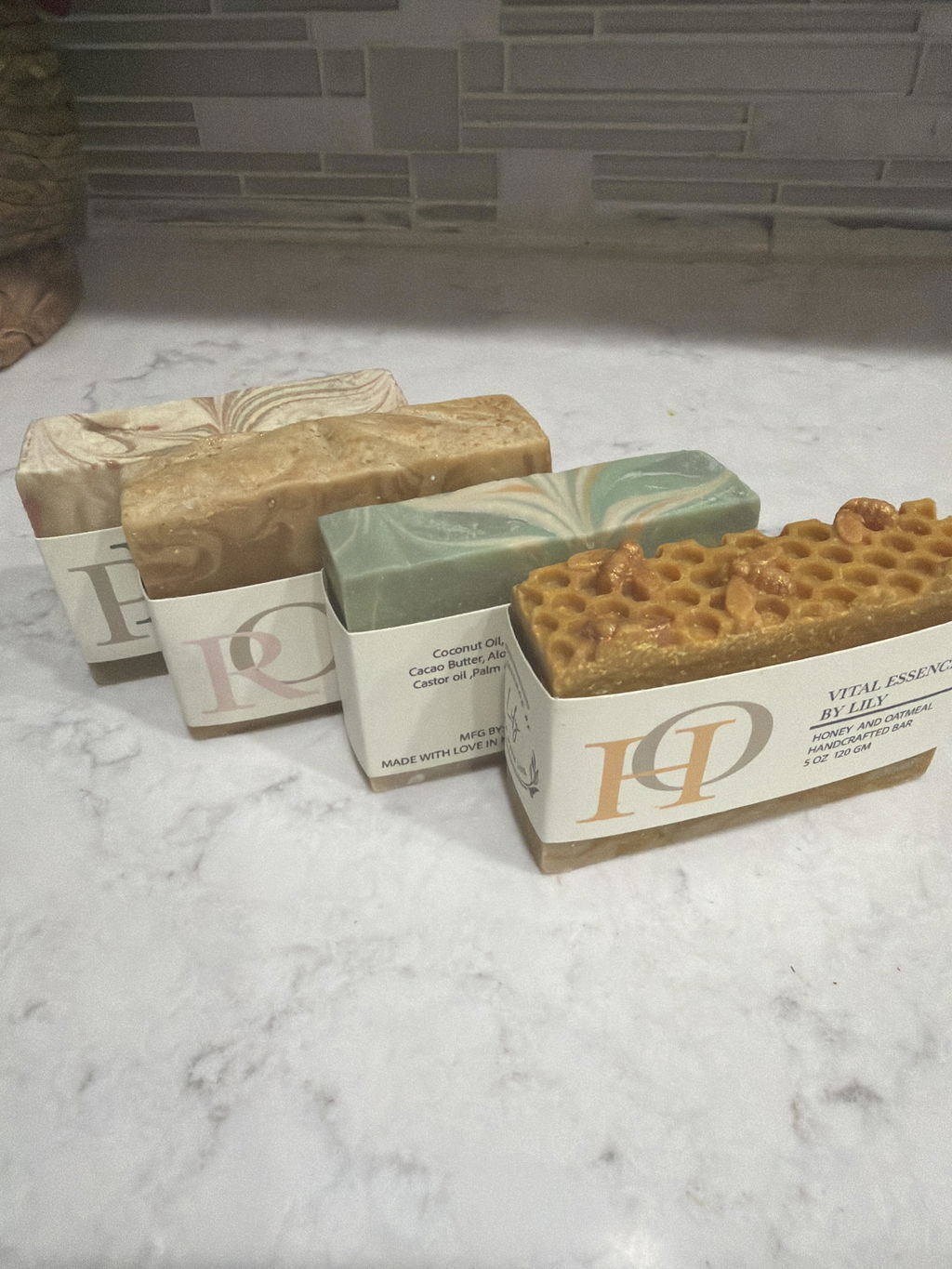
Color deserves the same curiosity. Natural soap can be creamy ivory, soft green, warm brown, rose-tinted, or charcoal gray without artificial dyes. Yet not every natural bar needs color at all. A plain, unadorned bar can be every bit as beautiful when its quality is felt in the lather.
Why Small-Batch Craftsmanship Matters
Handcrafted soap carries the imprint of the maker’s attention. Oils are measured carefully. Ingredients are selected for their role in the formula. The batter is poured, cut, cured, and inspected in smaller quantities than an industrial production line allows.
This does not mean every handmade bar is automatically natural, nor does it mean every commercial product is poor quality. The distinction lies in the choices behind the bar. Small-batch production creates room for ingredient integrity, thoughtful sourcing, and a more personal relationship with the finished product.
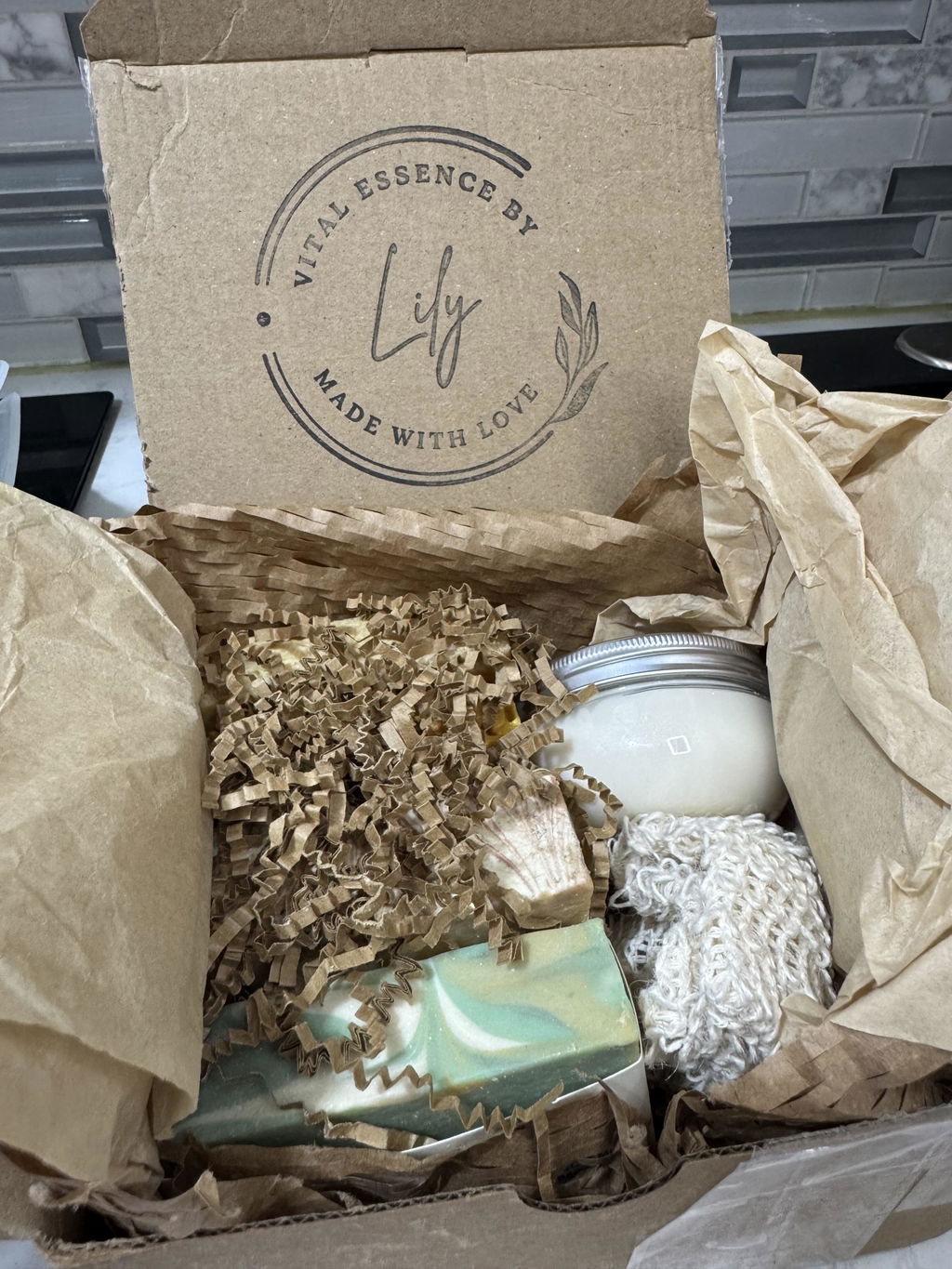
At Vital Essence by Lily, this philosophy is held close: botanical soap is crafted with intention so that everyday cleansing can become a luxurious embrace of nature’s finest ingredients. The experience is sensory, certainly, but it is also practical. Your soap should cleanse effectively while leaving your hands and body feeling cared for, not punished.
A natural bar also tends to look a little different from one made for factory-perfect uniformity. Slight variations in color, cut, and botanical detail are signs of the human hands and natural materials involved. These variations are not flaws. They are part of the honest beauty of artisan work.
Natural Soap Is a Choice for Your Ritual
Choosing natural soap is not about chasing perfection or fearing every unfamiliar ingredient. It is about becoming more attentive to what you use every day. The bar at your sink is one of the few personal care essentials you reach for repeatedly, often without a second thought. That makes it a meaningful place to choose ingredients that align with your values.
For a rich, lasting bar, let it dry between uses on a well-draining dish. This small practice helps preserve the soap and keeps each wash feeling special. If you are trying natural soap for the first time, begin with one bar that speaks to your senses - perhaps an unscented oat bar for quiet comfort or a gently citrus-scented bar for a brighter start.
The finest natural soap does not ask for a grand gesture. It simply invites you to pause, breathe in, and let a daily necessity become a moment of grounded care.